
SPAIN
In Spain, CRIS Cancer selects and funds leading researchers working in public hospitals and centres of excellence, providing them with sustained funding to develop innovative projects, clinical trials and therapies that can benefit patients as quickly as possible.
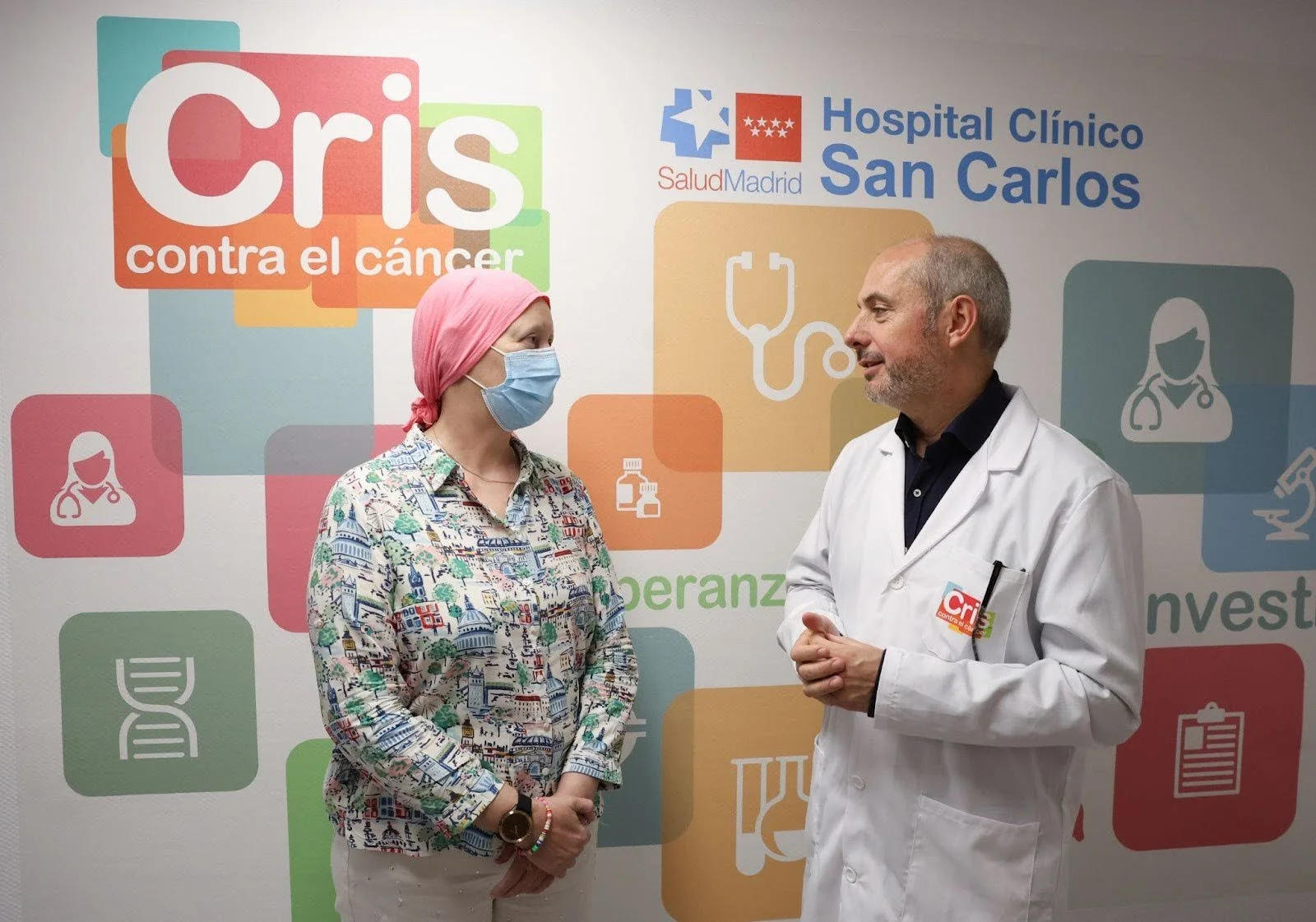
A fundamental part of this work is carried out through four flagship units based in public hospitals: the CRIS Paediatric Advanced Therapies Unit at La Paz University Hospital; the CRIS Haematological Malignancies Unit and the CRIS Immuno-Oncology Unit at 12 de Octubre University Hospital; and the CRIS Novel Experimental Therapies Unit at Hospital Clínico San Carlos. These units bring together multidisciplinary teams, cutting-edge technology, and clinical and laboratory research to develop immunotherapies, cell therapies and personalised treatments, enabling patients with limited options to access new therapeutic opportunities.
CRIS Cancer Project for Targeted Therapies in Bladder Cancer
Principal Researcher: Dr Iris Adriana María Lodewijk
Centre: Uppsala University / Hospital Universitario 12 de Octubre Research Institute, Madrid
Bladder cancer remains a major medical challenge. Current treatments, such as chemotherapy and immunotherapy, are not effective for all patients and can cause significant side effects. In addition, there is a lack of tools to tailor treatments to the specific characteristics of each tumour. There is an urgent need to develop more precise and effective therapies that can overcome resistance to conventional treatments and target only cancer cells without harming healthy tissue.
This international research project focuses on a molecule called CD44v6, which is present in around 80% of bladder tumours. Dr Lodewijk and her team are developing specialised antibodies that recognise this molecule and deliver drugs or radiotherapy directly to tumour cells. They are also investigating how these therapies can be combined with standard treatments to enhance their effectiveness. By targeting cancer cells more precisely, the project aims to improve treatment outcomes while reducing side effects.
Adult Projects
CRIS Cancer Targeted Therapies for Leukaemia Project
Principal Researcher: Dr María Luisa Palacios
Centre: King's College London / Hospital 12 de Octubre Research Institute, Madrid
Acute myeloid leukaemia (AML) is an aggressive blood cancer that remains particularly challenging to treat in high-risk patients. While many patients initially respond to treatment, around half will eventually experience a relapse, often due to treatment resistance that is still not fully understood.
Dr María Luisa Palacios and her team are investigating why some patients develop resistance to treatment by analysing samples collected before, during and after therapy. Using advanced technologies, including single-cell sequencing, the researchers can study individual cancer cells in unprecedented detail and track how they change over time.
By understanding how leukaemia cells evolve and identifying the genetic and cellular characteristics linked to treatment resistance, the project aims to discover biomarkers that can predict which patients are most likely to benefit from specific therapies. Ultimately, this research could help deliver more effective and personalised treatments while reducing the risk of relapse for people living with acute myeloid leukaemia.
CRIS Cancer Metabolism in Lymphoma Project
Principal Researcher: Dr Ana Ortega
Centre: Severo Ochoa Centre for Molecular Biology (CBMSO-CSIC), Madrid
Diffuse large B-cell lymphoma is the most common type of lymphoma in adults, but some subtypes remain highly aggressive and do not respond well to standard treatments. New approaches are needed to better understand how these cancers survive and identify new ways to treat them.
Dr Ana Ortega and her team are investigating how specific genetic alterations change the way lymphoma cells obtain energy and produce the components they need to grow and survive. By studying the metabolism of these cancer cells, the researchers hope to uncover vulnerabilities that could be targeted with future therapies.
The project also aims to create a detailed metabolic map of different lymphoma subtypes, helping researchers better understand the biological differences between them. Ultimately, this work could support the development of more precise and personalised treatments for people living with lymphoma.
CRIS Cancer Blood Cancer Resistance Project
Principal Researcher: Dr Joaquín Martínez
Centre: Hospital Universitario 12 de Octubre, Madrid / Spanish National Cancer Research Centre (CNIO), Madrid
Significant advances in recent years have improved outcomes for patients with blood cancers, yet treatment resistance remains one of the greatest challenges in diseases such as multiple myeloma, chronic lymphocytic leukaemia and acute myeloid leukaemia. When cancer cells become resistant to therapy, treatment options become more limited and the risk of relapse increases.
Dr Joaquín Martínez and his team are investigating the genetic and molecular changes that allow cancer cells to survive treatment and continue growing. By gaining a deeper understanding of these resistance mechanisms, the researchers hope to identify new vulnerabilities that can be targeted with future therapies.
Ultimately, this project aims to support the development of more effective treatment strategies that can overcome resistance, prolong treatment responses and improve outcomes for patients living with blood cancers.
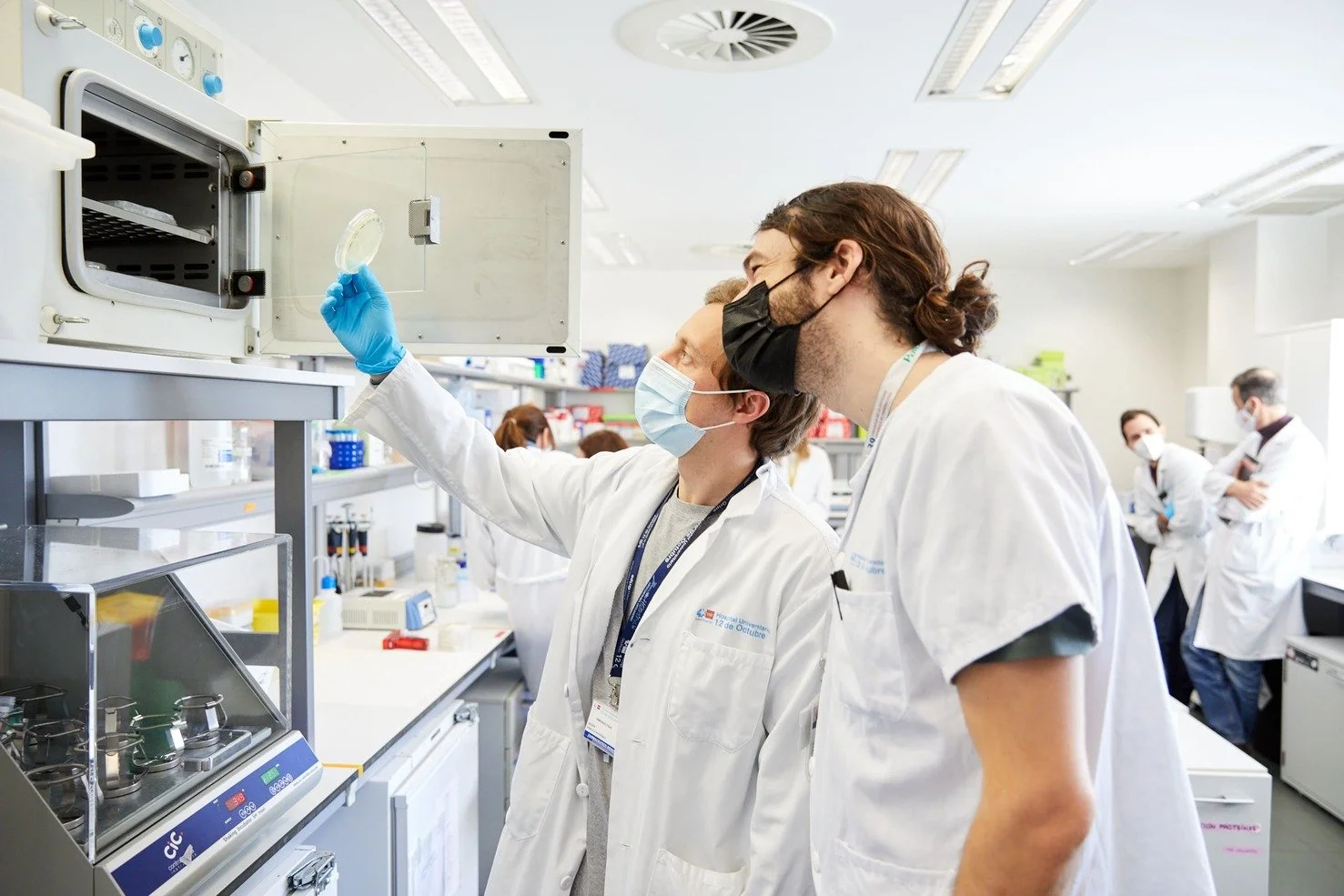
CRIS Cancer New Molecular Mechanisms in Blood Disorders Project
Principal Researcher: Dr Joaquín Martínez
Centre: Hospital Universitario 12 de Octubre, Madrid / Spanish National Cancer Research Centre (CNIO), Madrid
Despite important advances in the treatment of blood cancers, many patients still experience relapse or complications related to bone marrow failure following treatment. Understanding why these problems occur is essential to developing more effective and lasting therapies.
Dr Joaquín Martínez and his team are investigating previously unknown molecular mechanisms that may contribute to treatment resistance, disease recurrence and impaired bone marrow regeneration. By studying these biological pathways, the researchers aim to uncover why some cancers return after initially responding to treatment and why the body's ability to produce healthy blood cells can be compromised.
The project seeks to identify new therapeutic targets that could help restore healthy blood-cell production, reduce the risk of relapse and improve long-term outcomes for patients with complex haematological diseases. Ultimately, thisresearch could pave the way for more durable and effective treatment strategies for people living with blood cancers.
CRIS Cancer Microbiome and Blood Cancer Project
Principal Researcher: Dr Joaquín Martínez
Centre: Hospital Universitario 12 de Octubre, Madrid / Spanish National Cancer Research Centre (CNIO), Madrid
The human gut contains trillions of microorganisms that play an essential role in maintaining health and influencing disease. Increasing evidence suggests that the gut microbiome may also affect how cancers develop, progress and respond to treatment.
Dr Joaquín Martínez and his team are investigating the relationship between the gut microbiome and blood cancers, with a particular focus on multiple myeloma. The researchers are studying how substances produced by gut microorganisms may influence inflammation, treatment response and the development of resistance to therapy.
By analysing samples from both patients and healthy volunteers, the team hopes to identify microbiome-derived compounds that may have protective or therapeutic effects. Ultimately, this research could open the door to innovative treatment approaches based on nutrition, probiotics or naturally occurring molecules, helping to improve outcomes for people living with blood cancers.
CRIS Cancer New Cellular Therapies for Blood Cancers Project
Principal Researcher: Dr Joaquín Martínez
Centre: Hospital Universitario 12 de Octubre, Madrid / Spanish National Cancer Research Centre (CNIO), Madrid
For patients with blood cancers that no longer respond to conventional treatments, new therapeutic approaches are urgently needed. Recent advances in immunotherapy have demonstrated the potential of harnessing the body's own immune system to recognise and eliminate cancer cells.
Dr Joaquín Martínez and his team are developing next-generation cellular therapies, including CAR-T and CAR-NK cell treatments, for patients with leukaemias, lymphomas and myelomas. These innovative therapies involve modifying immune cells to improve their ability to identify and destroy cancer cells more effectively.
The project focuses on enhancing the effectiveness, durability and safety of these treatments while exploring new strategies to overcome some of their current limitations. By combining advanced laboratory models with cutting-edge cellular engineering technologies, the team aims to develop more personalised immunotherapies that can provide better outcomes for patients whose cancers have become resistant to existing treatments.
CRIS Cancer Leukaemia Resistance Project
Principal Researcher: Dr Biola Javierre
Centre: Josep Carreras Leukaemia Research Institute (IJC), Barcelona
B-cell acute lymphoblastic leukaemia (B-ALL) is the most common type of cancer in children and can also affect adults. While treatment outcomes have improved significantly in recent years, some patients still experience relapse, often with more difficult-to-treat disease.
Dr Biola Javierre and her team are investigating genetic alterations that may contribute to the development and recurrence of B-cell acute lymphoblastic leukaemia. Their research focuses on mutations found in non-coding regions of DNA, parts of the genome that do not produce proteins but play a crucial role in regulating how genes are switched on and off.
Although these genetic changes have traditionally received less attention, growing evidence suggests they can have a significant impact on how cancer cells behave and respond to treatment. By analysing these previously overlooked regions of the genome, the researchers hope to better understand the biological mechanisms behind relapse.
Ultimately, the project aims to identify new biomarkers that could help predict which patients are at greater risk of relapse, supporting earlier intervention and more personalised approaches to treatment.
CRIS Cancer Multiple Myeloma Project
Principal Researcher: Dr Bruno Paiva
Centre: University of Navarra Clinic (CUN), Pamplona
Monoclonal Gammopathy of Undetermined Significance (MGUS) is a relatively common condition in which abnormal plasma cells produce a protein that can be detected in the blood. While MGUS itself does not usually cause symptoms, a small proportion of patients will go on to develop multiple myeloma or other blood disorders.
Dr Bruno Paiva is leading a large-scale study involving 5,000 patients with MGUS to better understand which individuals are most at risk of disease progression. Using advanced diagnostic technologies, the team is analysing biological and clinical markers that may help predict who is most likely to develop multiple myeloma and related conditions.
The ultimate goal of the project is to identify high-risk patients as early as possible, enabling closer monitoring and timely intervention when needed. At the same time, the research could help reduce unnecessary medical follow-up and anxiety for patients whose risk of progression is very low, supporting more personalised and effective care.
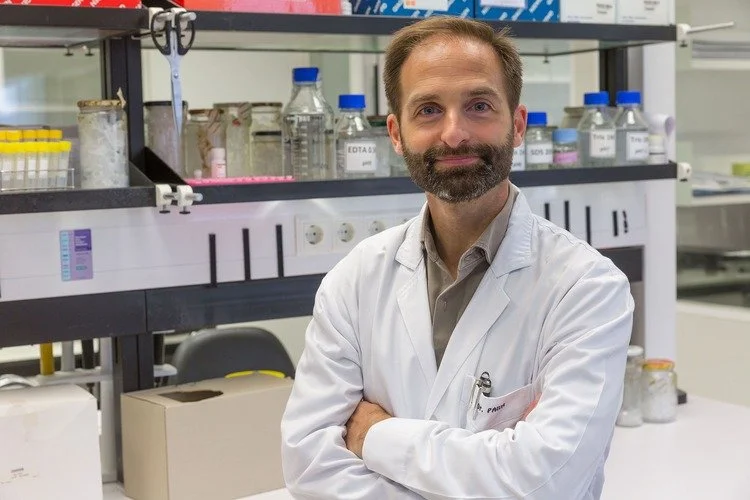
CRIS Cancer Acute Myeloid Leukaemia Project
Principal Researcher: Dr Alejo Rodríguez-Fraticelli
Centre: Institute for Research in Biomedicine (IRB Barcelona)
Acute myeloid leukaemia (AML) is an aggressive blood cancer that often returns after treatment. One of the main reasons for relapse is the survival of a small population of leukaemia stem cells, which can resist therapy and give rise to new cancer cells over time.
Dr Alejo Rodríguez-Fraticelli and his team are studying these leukaemia stem cells at an unprecedented level of detail using advanced technologies, including genetic engineering and single-cell analysis. By tracking individual cells and understanding how they respond to treatment, the researchers hope to uncover the mechanisms that allow some cancer cells to survive while others are eliminated.
The project aims to identify specific vulnerabilities within the leukaemia stem cells responsible for treatment resistance and relapse. Ultimately, this research could lead to the development of more effective therapies capable of eliminatingthese persistent cells and achieving longer-lasting disease control for patients with acute myeloid leukaemia.
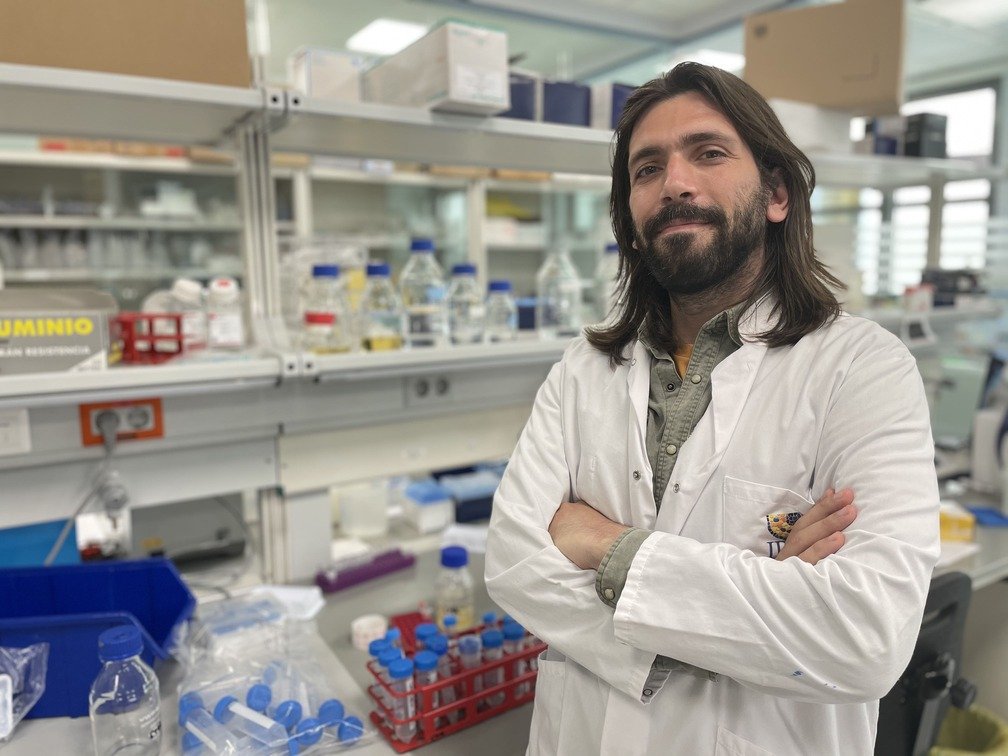
CRIS Cancer Follicular Lymphoma Project
Principal Researcher: Dr Ana Jiménez
Centre: Hospital Universitario 12 de Octubre, Madrid
Follicular lymphoma is one of the most common types of slow-growing blood cancer. Although many patients respond well to treatment, the disease often returns over time, making long-term monitoring and personalised treatment strategies essential.
Dr Ana Jiménez leads the CURE_FL study, which combines liquid biopsy techniques and advanced imaging technologies to improve how follicular lymphoma is detected, monitored and managed. By analysing tumour-related markers in blood samples and using sophisticated imaging tools, the team hopes to gain a more accurate picture of how the disease evolves in each patient.
The project aims to identify patients at higher risk of relapse at an earlier stage, improve predictions of how individuals will respond to immunotherapy, and support more personalised treatment decisions. Ultimately, this research seeks to reduce relapses, improve outcomes and enhance quality of life for people living with follicular lymphoma.
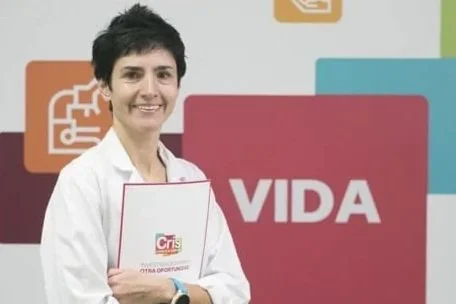
CRIS Cancer CAR-T in Multiple Myeloma Project
Principal Researcher: Dr Luis Gerardo Rodríguez
Centre: Hospital Clínic Barcelona
Multiple myeloma is a blood cancer that remains difficult to cure, particularly when the disease returns after treatment. In recent years, CAR-T cell therapy has transformed the outlook for many patients, delivering remarkable responses even in cases where other treatments have failed. However, a significant number of patients eventually experience relapse.
Dr Luis Gerardo Rodríguez and his team are investigating why some patients relapse after CAR-T therapy and how these innovative treatments can be improved to provide a more durable response. The research focuses on understanding the interaction between cancer cells and the immune system, as well as identifying ways to enhance the activity and persistence of CAR-T cells over time.
By optimising this powerful form of immunotherapy, the project aims to increase its long-term effectiveness and improve outcomes for patients with multiple myeloma. Ultimately, the research seeks to help more patients achieve deeper and longer-lasting responses, offering new hope for those living with this challenging disease.
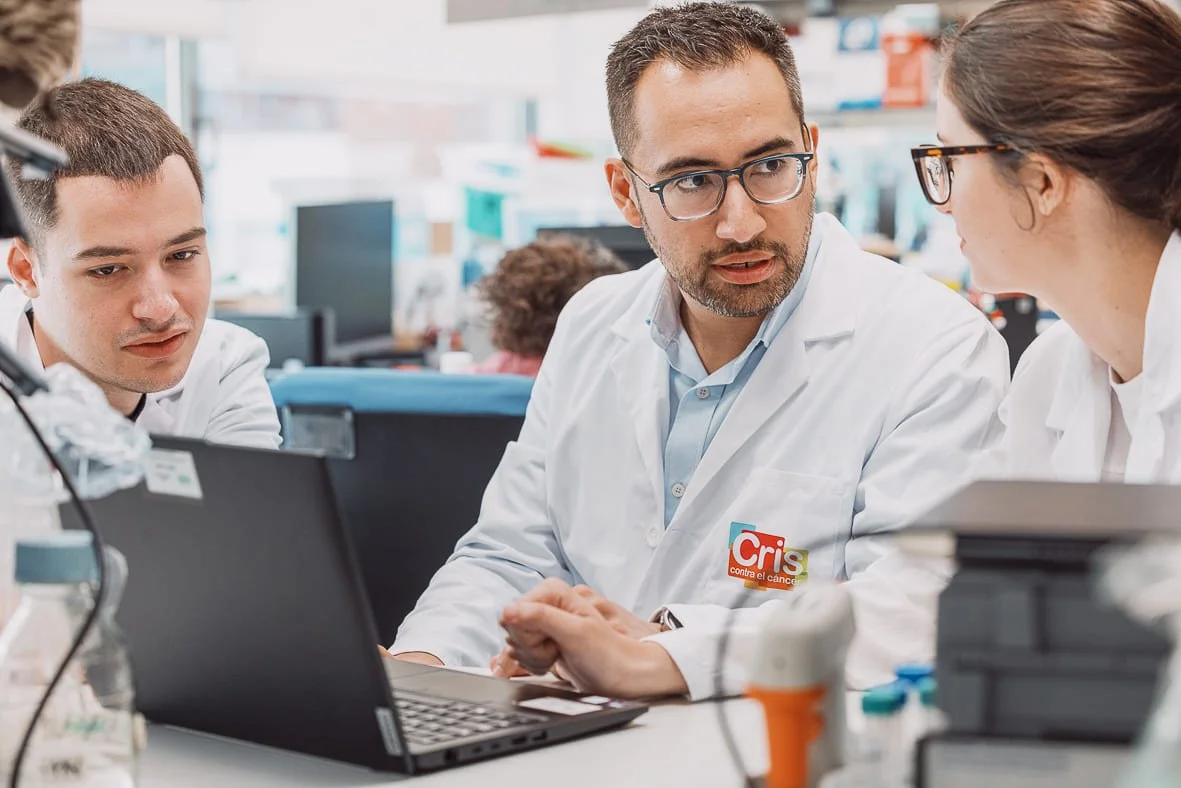
CRIS Cancer SEVENAZA Clinical Trial
Principal Researcher: Dr Christophe Willekens and Dr Pau Montesinos
Centre: Gustave Roussy Institute, Paris / Hospital Universitario La Fe, Valencia
Acute myeloid leukaemia (AML) treatments can be highly effective, but they often cause significant side effects, particularly for older patients and those with additional health conditions. Finding ways to maintain treatment effectiveness while reducing toxicity is a key challenge in improving patient care.
The SEVENAZA clinical trial is investigating whether shorter treatment schedules can provide the same clinical benefit as current approaches while being easier for patients to tolerate. The study focuses on vulnerable patients who may struggle with the side effects associated with prolonged treatment.
By evaluating the balance between treatment efficacy and quality of life, the researchers hope to develop a safer, more patient-friendly treatment strategy. If successful, this approach could help reduce treatment-related complications without compromising outcomes for people living with acute myeloid leukaemia.
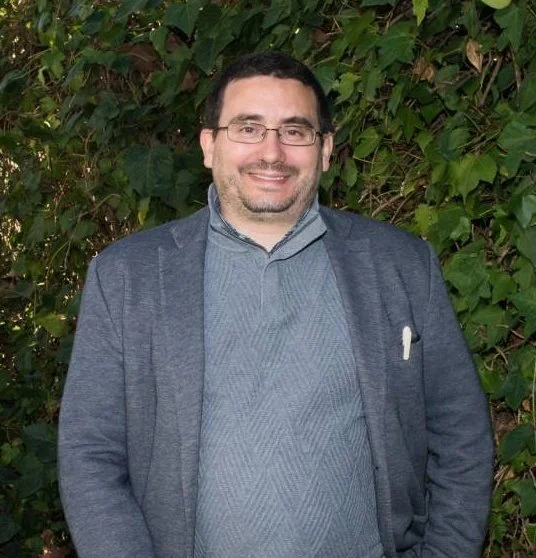
CRIS Cancer Acute Myeloid Leukaemia Relapse Project
Principal Researcher: Dr María Velasco
Centre: Spanish National Cancer Research Centre (CNIO), Madrid
Acute myeloid leukaemia (AML) develops within the bone marrow, a complex environment where blood cells grow and mature. While much research has focused on the genetic changes that drive AML, less is known about how the physical properties of the bone marrow itself may influence the disease.
Dr María Velasco and her team are investigating how mechanical forces within the bone marrow, such as tension and compression, affect the development and recurrence of acute myeloid leukaemia. Their research focuses on pressure-sensitive proteins, including one called Piezo1, which plays an important role in normal blood-cell formation and may also contribute to the initiation and relapse of AML.
By understanding how these mechanical signals influence cancer cells and their surrounding environment, the researchers hope to uncover previously unexplored mechanisms involved in disease progression. Ultimately, this project could identify new opportunities for preventing relapse and developing more effective treatments for patients with acute myeloid leukaemia.
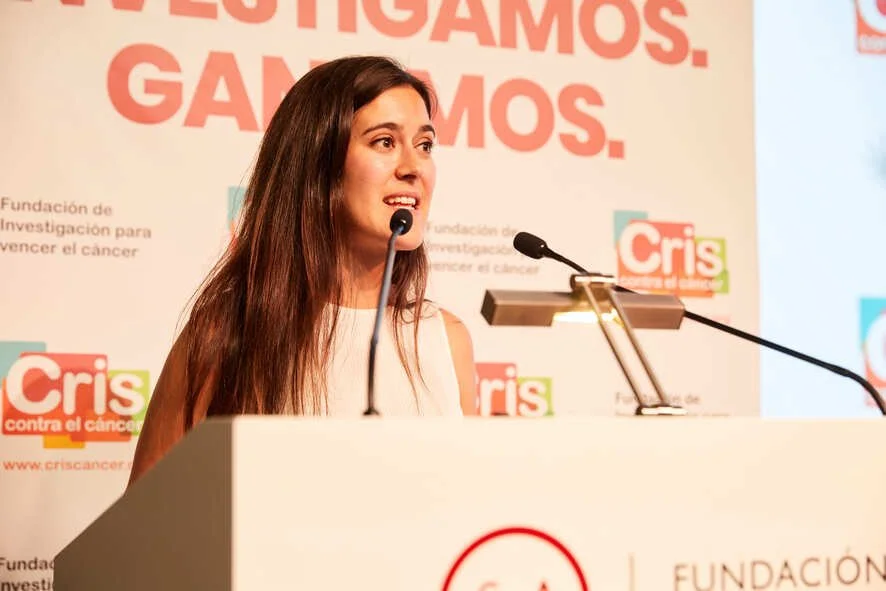
CRIS Cancer Breast Cancer Project
Principal Researcher: Dr Atanasio Pandiella
Centre: Cancer Research Centre (CIC-CSIC), Salamanca
Despite significant advances in breast cancer treatment, some forms of the disease remain particularly difficult to treat. This is especially true for HER2-positive and triple-negative breast cancers, which can become resistant to existing therapies and are often associated with a poorer prognosis.
Dr Atanasio Pandiella and his team are developing new treatment strategies for these aggressive breast cancer subtypes. For HER2-positive tumours, the research focuses on understanding and overcoming resistance to current therapies. For triple-negative breast cancer, the team is investigating how antibody-based treatments can be more precisely targeted and combined with other therapies to improve their effectiveness.
By exploring innovative therapeutic combinations and new ways to prevent treatment resistance, the project aims to expand treatment options for patients with hard-to-treat breast cancers. Ultimately, this research could lead to more effective therapies and improved outcomes for people living with these aggressive forms of the disease.
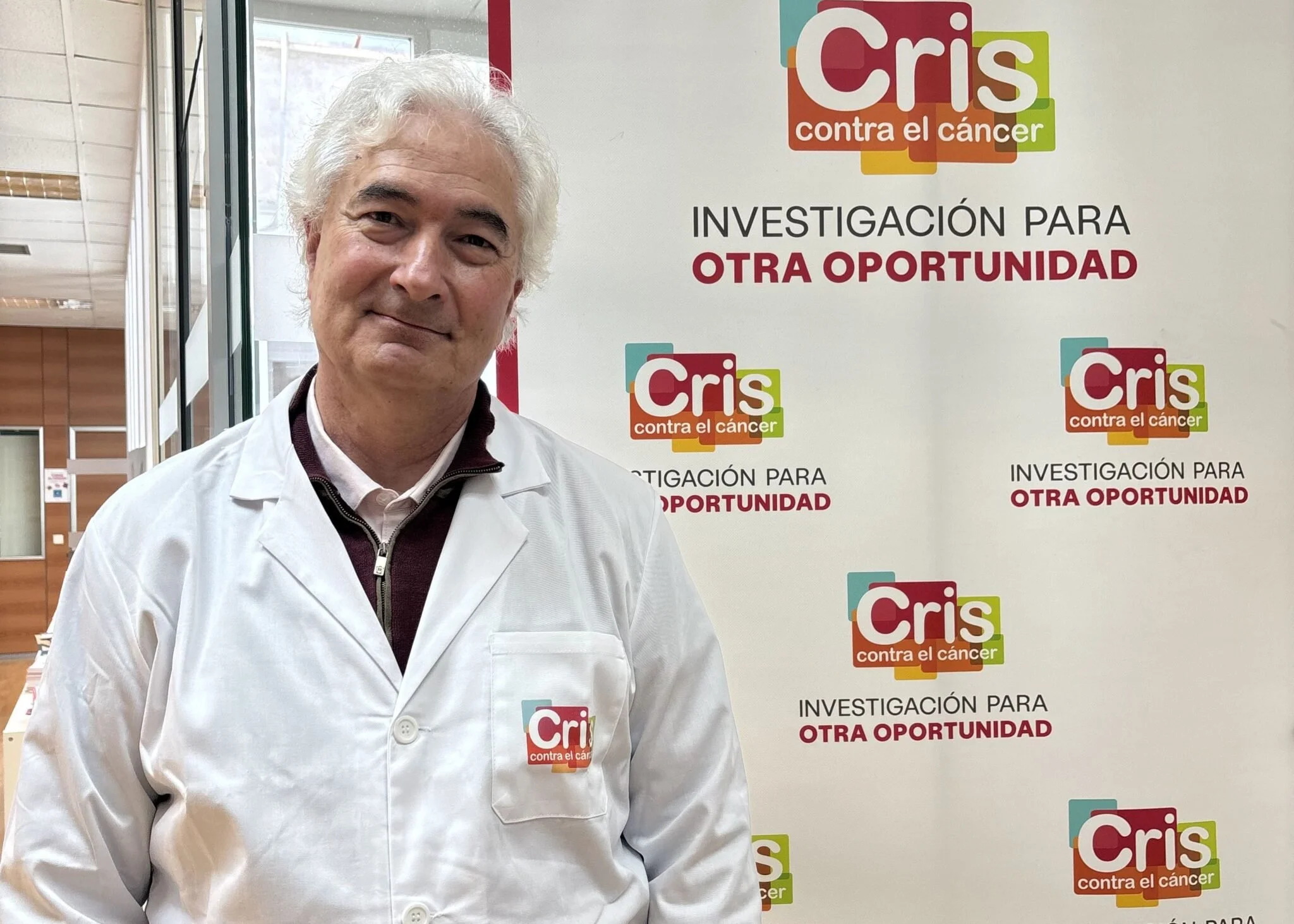
CRIS Cancer Breast Cancer Immunotherapy Project
Principal Researcher: Dr Elia Seguí
Centre: Dana-Farber Cancer Institute, Boston / August Pi i Sunyer Biomedical Research Institute (IDIBAPS) – Hospital Clínic, Barcelona
Immunotherapy has transformed the treatment of several types of cancer, but its benefits in breast cancer can vary significantly from one patient to another. Identifying who is most likely to respond to these therapies remains one of the key challenges in advancing personalised cancer care.
Dr Elia Seguí and his team are investigating how innovative technologies, and advanced analytical approaches can be used to predict a patient's response to immunotherapy before treatment begins. By studying the biological characteristics of different breast cancers, the researchers aim to better understand why some patients benefit from immunotherapy while others do not.
The goal of the project is to identify reliable markers that can help guide treatment decisions and ensure that patients receive the therapies most likely to be effective for their individual cancer. Ultimately, this research aims to improve patient outcomes while supporting the development of more precise and personalised approaches to breast cancer treatment.
CRIS Cancer Breast Cancer Metastasis Project
Principal Researcher: Dr María Casanova
Centre: Spanish National Cancer Research Centre (CNIO), Madrid
Triple-negative breast cancer is one of the most aggressive forms of breast cancer and has a higher risk of spreading to other parts of the body. Once the disease becomes metastatic, treatment options are more limited, making it essential to better understand the biological processes that drive cancer spread.
Dr María Casanova and her team are investigating the role of myeloid cells, a type of immune cell that may contribute to the development and progression of metastatic disease. The research seeks to understand how these cells interact with cancer cells and influence the tumour environment, helping to create conditions that enable cancer to spread.
The project is also exploring innovative approaches, including trained immunity, a strategy that aims to enhance the body's immune response against cancer. By identifying the mechanisms that drive metastasis and discovering new ways to prevent it, the research could support the development of more effective treatments for patients with triple-negative breast cancer and improve outcomes for those facing this aggressive disease.
CRIS Cancer Antibodies for Metastatic Breast Cancer Project – Dame5Más
Principal Researcher: Dr Aleix Prat
Centre: Hospital Clínic Barcelona – August Pi i Sunyer Biomedical Research Institute (IDIBAPS), Barcelona
Metastatic breast cancer remains a major challenge, particularly when tumours stop responding to existing treatments. For many patients, treatment resistance limits the available therapeutic options and makes disease management increasingly difficult.
Dr Aleix Prat and his team are developing a new targeted therapy for patients with metastatic breast cancer whose disease has become resistant to standard treatments. The researchers have identified a molecule associated with treatment resistance that may provide a new way to specifically target cancer cells while minimising damage to healthy tissue.
Using this discovery, the team is developing an antibody-drug conjugate (ADC), an innovative type of treatment that combines a targeted antibody with a powerful anti-cancer drug. Often described as a "guided missile" approach, ADCs are designed to deliver treatment directly to tumour cells, increasing effectiveness while reducing unwanted side effects.
The project aims to expand personalised treatment options for patients with limited alternatives and improve outcomes for people living with metastatic breast cancer. Ultimately, this research could provide a new therapeutic strategy for overcoming treatment resistance and delivering more precise cancer care.
CRIS Cancer Hormone-Positive Breast Cancer Project
Principal Researcher: Dr Aleix Prat
Centre: Hospital Clínic Barcelona
Hormone-positive breast cancer is the most common type of breast cancer. While many patients respond well to hormone therapies, some tumours are more aggressive and less responsive to standard treatment. Among them is a subtype known as HER2-enriched hormone-positive breast cancer, which is associated with a higher risk of treatment resistance and disease recurrence.
Dr Aleix Prat and his team are investigating the biological characteristics of these tumours to better understand why they respond differently to conventional treatments. The research focuses on the mechanisms that drive treatment resistance and explores whether immunotherapy and HER2-targeted therapies could provide more effective treatment options for these patients.
The project also aims to improve the identification of HER2-enriched tumours at the time of diagnosis, allowing patients to receive more personalised treatment from the outset. Ultimately, this research could lead to more effective therapeutic strategies and improved outcomes for people living with hormone-positive breast cancer.
CRIS Cancer Breast Cancer Response and Resistance Project
Principal Researcher: Dr Ana Ruiz
Centre: Cooperative Research Centre in Biosciences (CIC bioGUNE), Bilbao
Trastuzumab-Deruxtecan (T-DXd) is an innovative treatment that has improved outcomes for many patients with breast cancer. However, not all patients respond to the therapy in the same way, and researchers are still working to understand why some tumours are sensitive to treatment while others develop resistance.
Dr Ana Ruiz and her team are investigating the biological mechanisms that determine how patients respond to T-DXd. Using advanced laboratory models and patient samples, the researchers are studying the factors that influence treatment effectiveness and exploring why some cancers stop responding over time.
The project is also examining why certain patients with HER2-low and HER2-negative tumours may benefit from T-DXd, despite these cancers traditionally not being considered suitable for HER2-targeted therapies. By gaining a better understanding of who is most likely to benefit from treatment, the research aims to improve patient selection, optimise the use of T-DXd and expand access to this promising therapy.
Ultimately, this work could support more personalised treatment decisions and improve outcomes for people living with breast cancer.

OPT-PEMBRO Clinical Trial
Principal Researcher: Dr Joana Mourato Ribeiro and Dr Mafalda Oliveira
Centre: Gustave Roussy Institute, Paris / Vall d'Hebron Institute of Oncology (VHIO), Barcelona
Triple-negative breast cancer is an aggressive form of breast cancer that often requires intensive treatment, including chemotherapy and immunotherapy. While these approaches have significantly improved outcomes, many patients continue treatment even after achieving an excellent response, exposing them to potential side effects that may no longer be necessary.
The OPT-PEMBRO clinical trial is investigating whether immunotherapy can be safely discontinued after surgery in patients who achieve a complete response to their initial treatment. The study aims to determine whether reducing treatment intensity can maintain the same excellent outcomes while minimising the physical and emotional burden associated with ongoing therapy.
If successful, this approach could help reduce treatment-related side effects, improve quality of life for patients, and support more personalised treatment decisions. The findings may also help healthcare systems use resources more effectively while ensuring that patients continue to receive the care they need.
ETNA-Cohort2 Clinical Trial
Principal Researcher: Dr Barbara Pistilli and Dr Mafalda Oliveira
Centre: Gustave Roussy Institute, Paris / Vall d'Hebron Institute of Oncology (VHIO), Barcelona
Triple-negative breast cancer is one of the most aggressive forms of breast cancer. Following surgery, many patients receive chemotherapy to reduce the risk of the disease returning. While this approach can be highly effective, it can also cause significant side effects and have a lasting impact on quality of life.
Dr Barbara Pistilli and Dr Mafalda Oliveira are leading a clinical trial to determine whether some patients with triple-negative breast cancer may be able to safely avoid chemotherapy after surgery. Their research focuses on patients with localised disease whose tumours contain high levels of tumour-infiltrating lymphocytes (TILs), immune cells that are associated with a stronger natural anti-cancer response and, in some cases, a particularly favourable prognosis.
The study aims to identify patients who could maintain excellent outcomes without additional treatment. If successful, this approach could reduce unnecessary chemotherapy, minimise treatment-related side effects and improve quality of life, while continuing to achieve high cure rates through a more personalised treatment strategy.
Colon Cancer Relapse Project
Principal Researcher: Dr Noelia Tarazona
Centre: INCLIVA Health Research Institute, Valencia
Although significant advances have been made in the treatment of colon cancer, it is still difficult to determine which patients are most likely to benefit from chemotherapy or immunotherapy after surgery. As a result, some patients may receive treatments they do not need, while others may not receive the therapies most likely to help them.
Dr Noelia Tarazona and her team are developing a national platform that uses liquid biopsy, a technology that analyses fragments of tumour DNA circulating in the bloodstream. This approach has the potential to detect signs of cancer recurrence earlier than conventional imaging techniques, allowing clinicians to identify patients at risk of relapse sooner.
The project also seeks to understand why some tumours remain invisible to the immune system and to identify biomarkers that can predict which patients are most likely to respond to immunotherapy. By improving the ability to monitordisease and personalise treatment decisions, the research aims to reduce unnecessary side effects, improve patient outcomes and move closer to a more precise approach to colon cancer care.
CRIS Cancer Advanced Models for Colon Cancer Project
Principal Researcher: Dr Luis Francisco Lorenzo
Centre: Cancer Research Centre (CIC-CSIC), Salamanca
Colon cancer develops within a highly complex environment where cancer cells interact constantly with surrounding tissues, immune cells and other components of the tumour. Understanding these interactions is essential for developing more effective treatments and improving patient outcomes.
Dr Luis Francisco Lorenzo and his team are using advanced three-dimensional cellular models and high-throughput technologies to recreate the complex tumour microenvironment of colon cancer in the laboratory. These innovative models provide a more realistic representation of how tumours behave and evolve than traditional laboratory systems, allowing researchers to study cancer in conditions that more closely resemble those found in patients.
By recreating these tumour ecosystems, the researchers aim to gain deeper insights into the biology of colon cancer, identify new therapeutic targets and accelerate the discovery of innovative treatments. The project also supports the development of personalised medicine approaches, helping to match patients with the therapies most likely to be effective for their individual disease. This research seeks to improve our understanding of colon cancer and pave the way for more precise and effective treatment strategies.
CRIS Cancer Targeted Therapies for Metastatic Colon Cancer Project
Principal Researcher: Dr Elena Élez
Centre: Vall d'Hebron Institute of Oncology (VHIO), Barcelona
Metastatic colon cancer remains a major clinical challenge, particularly for patients whose tumours carry BRAF mutations, which are associated with a more aggressive disease course and poorer outcomes. Although targeted therapies have improved treatment options for some patients, responses can vary significantly, and resistance to treatment often develops.
Dr Elena Élez and her team are investigating why therapies targeting BRAF mutations are effective in some patients but not in others. Using advanced laboratory models, the researchers are studying the biological mechanisms that enable cancer cells to resist treatment and continue growing despite therapy.
The project also aims to identify biomarkers that can help predict which patients are most likely to benefit from specific treatments and to evaluate new therapeutic strategies for overcoming resistance. By improving our understanding of BRAF-mutant metastatic colon cancer, this research seeks to support more personalised treatment decisions and expand the options available to patients facing this particularly challenging form of the disease.
Ultimately, the goal is to improve outcomes for patients with metastatic colon cancer by ensuring that treatments can be tailored more precisely to the characteristics of each individual's tumour.
CRIS Cancer Colon Cancer Microenvironment Project
Principal Researcher: Dr Jenniffer Linares
Centre: Hospital del Mar Medical Research Institute (IMIM), Barcelona
Colon cancer does not develop in isolation. Cancer cells constantly interact with the surrounding tissues, immune cells and blood vessels that make up the tumour microenvironment, a complex ecosystem that can influence how the disease grows, spreads and responds to treatment.
Dr Jenniffer Linares and her team are investigating the role of the tumour microenvironment in colon cancer and how it contributes to disease progression and treatment resistance. While significant advances have been made in understanding the genetic changes that drive cancer, many of the interactions between tumour cells and their surrounding environment remain poorly understood.
By analysing these interactions in detail, the researchers hope to identify new biological mechanisms that can be targeted with future therapies. A better understanding of the tumour microenvironment could also help explain why some patients respond well to treatment while others do not.
Ultimately, this project aims to support the development of more effective and personalised treatment strategies, improving outcomes for people living with colon cancer.
CRIS Cancer Colon Cancer Project
Principal Researcher: Dr Clara Montagut
Centre: Hospital del Mar Medical Research Institute (IMIM), Barcelona
Metastatic colorectal cancer remains difficult to treat, particularly when tumours develop resistance to therapy. One of the most important treatment options for many patients targets the EGFR receptor, but not all patients respond in the same way, and resistance frequently emerges over time.
Dr Clara Montagut and her team are investigating the mechanisms that drive resistance to EGFR-targeted therapies and identifying new biomarkers that can help guide treatment decisions. The researchers are using liquid biopsy technology to analyse circulating tumour DNA in blood samples, providing a less invasive way to monitor how tumours evolve throughout treatment.
The project is also exploring the role of Natural Killer (NK) cells, a key component of the immune system that helps identify and destroy cancer cells. By studying both tumour biology and the immune response, the team hopes to gain a more comprehensive understanding of why treatments succeed in some patients and fail in others.
Ultimately, this research aims to support more personalised treatment strategies, helping clinicians select the most effective therapies for each patient and improving outcomes for people living with metastatic colorectal cancer.
CRIS Cancer Colon Cancer Biomarkers Project
Principal Researcher: Dr Elena Élez
Centre: Vall d'Hebron Institute of Oncology (VHIO), Barcelona
Patients with BRAF-mutant colon cancer often face a more aggressive form of the disease and have fewer effective treatment options than other patients with colorectal cancer. Although targeted therapies such as encorafenib and cetuximab have improved outcomes, not all patients respond equally well, highlighting the need for more personalised treatment approaches.
Dr Elena Élez and her team are investigating molecular biomarkers that can help predict how patients with BRAF-mutant colon cancer will respond to treatment. By identifying these biological indicators, the researchers aim to better understand which therapies are most likely to be effective for each individual patient.
The project also explores the use of liquid biopsy, a minimally invasive technique that analyses tumour-derived material in the blood. This approach could allow clinicians to monitor how a patient's cancer evolves over time and adapt treatment strategies accordingly.
Ultimately, the research aims to improve treatment selection, support more personalised care and enhance outcomes for patients living with this particularly challenging form of colon cancer.
CRIS Cancer Colon Cancer Predisposition Project
Principal Researcher: Dr Ceres Fernández Rozadilla
Centre: Health Research Institute of Santiago (IDIS), Santiago de Compostela
Colorectal cancer is one of the most common cancers worldwide, yet many questions remain about the inherited genetic factors that influence an individual's risk of developing the disease. A better understanding of these genetic predispositions could help identify people at higher risk and support earlier detection and prevention.
Dr Ceres Fernández Rozadilla and her team are investigating the hereditary factors that contribute to colorectal cancer development. Using advanced single-cell technologies, the researchers are analysing individual cells in unprecedented detail to identify genetic alterations associated with an increased risk of the disease.
By uncovering the biological mechanisms that underpin cancer predisposition, the project aims to improve risk assessment and support the development of more personalised prevention strategies. The findings may also reveal new therapeutic targets, helping researchers identify novel approaches for the prevention and treatment of colorectal cancer.
Ultimately, this research seeks to advance our understanding of why colorectal cancer develops and provide new opportunities to reduce its impact through earlier intervention and more personalised care.
LOWTOX Clinical Trial
Principal Researcher: Dr Eric Baudin and Dr Rocío García Carboner
Centre: Institut Gustave Roussy, Paris, France / Hospital Universitario 12 de Octubre, Madrid, Spain
Neuroendocrine tumours are a diverse group of cancers that can often be controlled successfully with current treatments. However, the side effects associated with these therapies can significantly affect patients' quality of life, particularly when treatment is required over long periods.
The LOWTOX clinical trial is investigating whether lower-intensity treatment strategies can provide the same level of disease control while reducing treatment-related toxicity. By carefully evaluating different treatment approaches, the researchers aim to determine whether patients can achieve the same clinical benefit with fewer side effects.
The goal of the study is to improve the balance between treatment effectiveness and quality of life, ensuring that patients receive the most appropriate level of care while minimising unnecessary treatment burden. If successful, the trial could help establish safer, more tolerable treatment strategies for people living with neuroendocrine tumours.
CRIS Cancer Targeted Immunotherapy Project
Principal Researcher: Dr David Sancho
Centre: National Centre for Cardiovascular Research (CNIC), Madrid
Immunotherapy has transformed the treatment of many cancers by enabling the immune system to recognise and attack tumour cells. However, a significant proportion of patients do not respond to these therapies, highlighting the need for new approaches that can strengthen the body's anti-cancer immune response.
Dr David Sancho and his team are investigating the role of dendritic cells, a specialised type of immune cell that plays a crucial role in activating and directing immune responses against cancer. While much of immunotherapy research has focused on T cells, growing evidence suggests that dendritic cells are essential for coordinating effective anti-tumour immunity.
The project aims to identify new molecular targets on the surface of dendritic cells that can be activated or blocked using therapeutic antibodies. By understanding how these cells control and regulate the immune response, the researchers hope to uncover new strategies for enhancing the effectiveness of immunotherapy.
This research could lead to the development of innovative immunotherapy treatments that help more patients benefit from immune-based cancer therapies and improve outcomes across a wide range of cancers.
CRIS Cancer Immuno-engineering and Development of New Cellular Therapies Project
Principal Researcher: Dr Luis Álvarez-Vallina
Centre: Spanish National Cancer Research Centre (CNIO), Madrid / Blood and Tissue Bank (BST), Barcelona / Hospital del Mar Medical Research Institute (IMIM), Barcelona
Immunotherapy has transformed cancer treatment, offering new hope to patients with diseases that were once very difficult to treat. However, not all patients benefit from current immunotherapies, and some tumours are able to evade the immune system or develop resistance to treatment. In addition, many advanced cellular therapies remain complex to manufacture and difficult to make widely available.
Dr Luis Álvarez-Vallina and his team are developing next-generation cellular immunotherapies designed to overcome these challenges. The research focuses on engineering immune cells capable of recognising and attacking cancer more effectively, while generating stronger and longer-lasting anti-tumour responses.
The project also seeks to make these therapies more accessible by developing innovative approaches that can be delivered to a greater number of patients. By combining advances in immunology, bioengineering and cell therapy, the team hopes to expand the reach of cellular immunotherapy and open new possibilities for treating cancers that currently have limited therapeutic options.
CRIS Cancer Immunotherapy Response Evaluation Project
Principal Researcher: Dr Emiliano Calvo
Centre: Clara Campal Comprehensive Cancer Centre (CIOCC), Madrid, Spain
Immunotherapy has transformed cancer treatment and created new opportunities for patients across a wide range of tumour types. However, not all patients respond in the same way, and tumours can continue to evolve during treatment, sometimes leading to disease progression or relapse.
Dr Emiliano Calvo and his international team are studying how tumours change over time in patients receiving immunotherapy. By analysing tumour evolution throughout treatment and follow-up, the researchers aim to identify patterns associated with long-lasting responses, resistance to treatment and disease recurrence.
A key objective of the project is to improve the monitoring of patients receiving immunotherapy and detect early signs that a treatment may no longer be effective. The team is also exploring ways to better understand why some patients achieve durable responses while others experience relapse.
The knowledge gained from this research could help clinicians make more informed treatment decisions, improve patient follow-up and refine the use of immunotherapy across different cancer types.
CRIS Cancer CAR-T Metastasis Project
Principal Researcher: Dr Adrià Cañellas
Centre: Stanford University, Stanford / Josep Carreras Leukaemia Research Institute (IJC), Barcelona
Metastasis, the spread of cancer from the original tumour to other parts of the body, is responsible for the majority of cancer-related deaths. While CAR-T cell therapies have shown remarkable success in certain blood cancers, their potential in treating metastatic disease has yet to be fully realised.
Dr Adrià Cañellas and his team are developing innovative cell-based therapies designed to target and eliminate metastatic cancer cells. The project focuses on engineering CAR-T cells, specialised immune cells that can be programmed to recognise and attack cancer cells with high precision.
A major challenge in metastatic cancer is distinguishing tumour cells from healthy tissue while ensuring that treatment remains effective throughout the body. The researchers are working to enhance the ability of CAR-T cells to identifymetastatic cells and maintain their anti-cancer activity in complex tumour environments.
By expanding the application of CAR-T technology beyond blood cancers, this research could open new avenues for treating metastatic disease and help bring advanced cellular therapies to patients with solid tumours.
CRIS Cancer Liver Metastasis Project
Principal Researcher: Dr Francisco Martínez
Centre: Vall d'Hebron Institute of Oncology (VHIO), Barcelona
Liver metastases occur when cancer spreads from its original site to the liver and are one of the greatest challenges in cancer treatment. They can develop from several tumour types, including colorectal, pancreatic, lung and breast cancers, as well as melanoma, and are often associated with poorer outcomes and limited response to existing therapies.
Dr Francisco Martínez and his team are investigating how cancer cells adapt to the liver environment and establish new tumours. Rather than relying on new genetic mutations, many cancer cells appear to survive through a process known as transcriptional reprogramming, which enables them to alter their behaviour and adapt to their surroundings.
The project seeks to identify the biological mechanisms that allow tumour cells to thrive within the liver and develop resistance to treatment. To achieve this, the researchers are combining data from patient samples, advanced laboratory technologies and large clinical datasets.
A better understanding of how liver metastases develop could reveal new therapeutic targets and support the design of more effective treatment strategies for patients whose cancer has spread. The findings may also help clinicians tailor treatments more precisely according to the biological characteristics of each patient's disease.
CRIS Cancer Metastasis and Cachexia Project
Principal Researcher: Dr Blanca Majem
Centre: Institute for Research in Biomedicine (IRB Barcelona), Spain
Many patients with advanced cancer experience cachexia, a complex condition characterised by severe weight loss, muscle wasting and declining physical function. Cachexia can significantly impact quality of life, reduce tolerance to treatmentand is associated with poorer outcomes. Despite its importance, the biological mechanisms that drive cachexia are still not fully understood.
Dr Blanca Majem and her team are investigating the relationship between metastasis and cachexia, two of the greatest challenges faced by patients with advanced cancer. Their research focuses on the role of fatty acids, particularly palmitic acid, and how these molecules may contribute both to the spread of cancer and to the loss of muscle and body weight experienced by many patients.
By studying the molecular pathways that connect these processes, the researchers hope to better understand why cachexia develops and how it is linked to metastatic disease. The project seeks to identify new therapeutic targets that could help prevent or reduce cancer-related wasting while also limiting tumour spread.
This research could provide important insights into a condition that affects many patients with advanced cancer and help support the development of treatments that improve both quality of life and clinical outcomes.
CRIS Cancer New Immunotherapy Strategies Project
Principal Researcher: Dr Lucía Gandullo
Centre: Francis Crick Institute, London, United Kingdom / Institute of Biomedicine of Seville (IBIS), Seville, Spain
Immunotherapy works by harnessing the body's own immune system to recognise and destroy cancer cells. However, in many patients, immune cells can become exhausted or lose their ability to maintain a strong and lasting response against tumours.
Dr Lucía Gandullo and her team are developing genetically engineered molecules designed to strengthen the activity of T lymphocytes, the immune cells responsible for identifying and attacking cancer cells. These molecules aim to enhance the immune response and help T cells remain active for longer periods, increasing their ability to fight cancer.
The researchers are evaluating how these innovative molecules perform against tumours and exploring their potential to overcome some of the limitations of current immunotherapy approaches. By improving the strength and durability of anti-cancer immune responses, the project seeks to expand the effectiveness of immunotherapy and increase the number of patients who can benefit from these treatments.
This work contributes to the development of a new generation of immunotherapies designed to deliver more sustained and effective immune responses against cancer.
CRIS Cancer Immunotherapy Response in Kidney Cancer Project
Principal Researcher: Dr Iñaki Eguren
Centre: Cancer Research UK Manchester Institute / University of Navarra Clinic (CUN) – Centre for Applied Medical Research (CIMA), Pamplona
Immunotherapy has transformed the treatment of kidney cancer, helping many patients achieve long-lasting responses. However, not all patients benefit equally, and researchers still do not fully understand why some tumours respond to treatment while others do not.
Dr Iñaki Eguren and his team are investigating how kidney tumours interact with the immune system to better understand the factors that influence response to immunotherapy. To do this, they use fragments of human tumours grown in the laboratory while preserving their original tumour microenvironment, allowing them to study these interactions in conditions that closely resemble those found in patients.
Using advanced cellular and molecular analysis techniques, the researchers aim to identify biomarkers that can predict whether a patient is likely to benefit from immunotherapy. The project is also exploring new treatment combinations that could enhance immune responses and improve the effectiveness of existing therapies.
By helping clinicians better match treatments to individual patients, this research could support more personalised treatment decisions and expand the benefits of immunotherapy to a greater number of people living with kidney cancer.
CARE-1 Clinical Trial
Principal Researcher: Dr Laurence Albiges and Dr Cristina Suárez
Centre: Gustave Roussy Institute, Paris / Vall d'Hebron Institute of Oncology (VHIO), Barcelona
Immunotherapy has significantly improved treatment options for patients with kidney cancer, particularly those with intermediate- and high-risk disease. Today, several treatment approaches are available, including combinations of different immunotherapies and treatments that combine immunotherapy with targeted therapies. However, it remains unclear which approach is most suitable for each patient.
Dr Laurence Albiges and Dr Cristina Suárez are leading the CARE-1 clinical trial, an international study designed to better understand how patients with kidney cancer respond to different immunotherapy-based treatment combinations.
By analysing tumour characteristics and patient-specific factors, the researchers aim to identify which treatments are most likely to be effective for different groups of patients. This could help clinicians make more informed treatment decisions and avoid unnecessary treatments that may offer limited benefit.
The study represents an important step towards more personalised kidney cancer care, ensuring that patients receive the treatment strategy best suited to their individual disease and increasing the chances of achieving the best possible outcomes.
CRIS Cancer Nutrition in Liver and Biliary Tract Cancer Project
Principal Researcher: Dr Alejo Efeyan
Centre: Spanish National Cancer Research Centre (CNIO), Madrid
Liver cancer is one of the most challenging cancers to treat and is becoming increasingly common due to the rising prevalence of obesity, metabolic syndrome and other liver diseases. Despite advances in treatment, there is an urgent need for new strategies to prevent the disease and improve patient outcomes.
Dr Alejo Efeyan and his team are investigating the relationship between nutrition, metabolism and liver cancer. Previous research has shown that certain forms of fasting can protect the liver from metabolic damage and reduce the risk of cancer development, but the biological mechanisms behind these effects are not yet fully understood.
The project focuses on studying how controlled eating patterns, without necessarily reducing calorie intake, influence liver health and cancer risk. By analysing patient samples and laboratory models, the researchers aim to identify the key molecules and pathways that connect nutritional signals with liver function and tumour development.
Rather than requiring strict dietary interventions, the long-term goal is to use this knowledge to develop therapies that can reproduce the protective effects of fasting. This approach could open up new possibilities for preventing liver cancer and supporting patients through treatments that target the disease's underlying metabolic drivers.
CRIS Cancer Liver Cancer Project
Principal Researcher: Dr Guadalupe Sabio
Centre: Spanish National Cancer Research Centre (CNIO), Madrid
Obesity is one of the most significant risk factors for liver cancer, yet the biological mechanisms linking excess body fat to tumour development are still not fully understood. As rates of obesity continue to rise worldwide, understanding this connection has become increasingly important for cancer prevention and treatment.
Dr Guadalupe Sabio and her team are investigating how fat tissue influences the development and progression of liver cancer. Their research focuses on small proteins and signalling molecules released by fat cells, which can affect cellular metabolism, inflammation and communication between tissues throughout the body.
By studying how these molecules alter the liver environment and contribute to cancer development, the researchers hope to identify the key biological pathways that connect obesity and liver cancer. A better understanding of these processes could reveal new opportunities for prevention, earlier intervention and more personalised treatment approaches.
The findings may help pave the way for therapies that target the underlying mechanisms linking obesity and liver cancer, offering new strategies to reduce cancer risk and improve outcomes for patients living with the disease.
Lung Cancer Immunotherapy Project – CRIS Immuno-Oncology Unit
Principal Researcher: Dr Luis Paz-Ares
Centre: Hospital Universitario 12 de Octubre, Madrid / Spanish National Cancer Research Centre (CNIO), Madrid / Blood and Tissue Bank (BST), Barcelona / Hospital del Mar Medical Research Institute (IMIM), Barcelona
Small-cell lung cancer is one of the most aggressive forms of lung cancer. The disease often grows rapidly, spreads early and frequently returns after treatment, leaving patients with limited therapeutic options. Although immunotherapy has improved outcomes for some patients, many tumours are able to evade the immune system, reducing the effectiveness of current treatments.
Developed within the CRIS Immuno-Oncology Unit, this project is focused on understanding how small-cell lung cancer interacts with the immune system and why many patients fail to benefit from existing immunotherapies. The research team is investigating new ways to overcome tumour-induced immune suppression and enhance the body's ability to recognise and attack cancer cells.
The project also aims to develop more personalised treatment approaches by identifying the biological characteristics that influence response to therapy. Alongside this, the researchers are evaluating innovative immunotherapy strategies for aggressive subtypes of lung cancer with particularly poor prognoses.
By combining immunology, translational research and advanced therapeutic development, the team hopes to expand treatment options for patients facing this challenging disease and accelerate the development of more effective immunotherapy-based approaches.
PULSE Clinical Trial
Principal Researcher: Dr Benjamin Besse and Dr Luis Paz-Ares
Centre: Gustave Roussy Institute, Paris / Hospital Universitario 12 de Octubre, Madrid
Lung cancer remains one of the leading causes of cancer-related deaths worldwide. In recent years, immunotherapy has transformed treatment for many patients, particularly when combined with chemotherapy. However, these treatments often require frequent hospital visits over long periods, which can affect quality of life and place an additional burden on patients and healthcare systems.
The PULSE clinical trial is investigating whether immunotherapy can be administered less frequently while maintaining the same level of effectiveness. By carefully evaluating different dosing schedules, the researchers aim to determine the optimal balance between treatment efficacy and patient convenience.
Reducing the number of treatment visits could help minimise the burden associated with long-term therapy and improve patients' daily lives without compromising cancer control. The study will generate valuable evidence to guide future treatment protocols and support a more patient-centred approach to lung cancer care.
CRIS Cancer Environmental Factors in Lung Cancer Project
Principal Researcher: Dr Laura Mezquita
Centre: Fundació de Recerca Clínic Barcelona – August Pi i Sunyer Biomedical Research Institute (FRCB-IDIBAPS), Barcelona
Radon is a naturally occurring radioactive gas that can accumulate in buildings and homes without being detected. Long-term exposure to high levels of radon is one of the leading causes of lung cancer among people who have never smoked, yet many questions remain about how it contributes to cancer development and whether radon-associated tumours have distinct biological characteristics.
Dr Laura Mezquita and her team are investigating the relationship between radon exposure and lung cancer, with the aim of better understanding how environmental factors influence cancer risk. By studying patients affected by radon-associated lung cancers, the researchers hope to identify the biological mechanisms that link exposure to disease development.
The project will also explore whether radon-related lung cancers respond differently to current treatments and whether new therapeutic approaches could improve outcomes for these patients. In parallel, the findings may help strengthen prevention and screening strategies in populations at higher risk of exposure.
By combining environmental health research with advances in cancer biology, this work aims to improve both the prevention and management of lung cancer linked to radon exposure.
CRIS Cancer Radioimmunotherapy for Lung Cancer Project
Principal Researcher: Dr María Esperanza Rodríguez
Centre: University of Navarra Clinic (CUN), Pamplona
Lung cancer remains one of the most difficult cancers to treat, particularly when tumours become resistant to conventional therapies or spread to other parts of the body. New treatment strategies are needed to improve outcomes for patients with advanced disease.
Dr María Esperanza Rodríguez and her team are investigating an innovative approach that combines radiotherapy and immunotherapy to enhance the body's ability to fight cancer. While radiotherapy is traditionally used to destroy tumour cells in a specific area, growing evidence suggests it can also stimulate the immune system by making tumours more visible to immune cells.
The project explores how combining these two treatment modalities can generate a stronger and more sustained anti-tumour response. Through laboratory research and clinical studies, the team is evaluating whether this approach can not only control the primary tumour but also help the immune system recognise and attack cancer cells elsewhere in the body.
By understanding how radiotherapy and immunotherapy work together, the researchers hope to develop new treatment strategies for patients with lung cancer who have limited options and improve the long-term effectiveness of cancer treatment.
CRIS Cancer Immunotherapy in Melanoma Project
Principal Researcher: Dr Rebeca González
Centre: Centre Méditerranéen de Médecine Moléculaire, Nice / Institute of Neurosciences CSIC-UMH, Alicante
Melanoma is an aggressive form of skin cancer that can spread rapidly to other organs. While targeted therapies and immunotherapies have significantly improved outcomes for many patients, some tumours eventually become resistant to treatment, limiting the effectiveness of these approaches.
Dr Rebeca González and her team are investigating the biological mechanisms that allow melanoma cells to survive treatment and evade the immune system. The project focuses on understanding how cancer cells adapt over time, developing strategies that enable them to escape therapies that were initially effective.
By identifying the molecular and cellular changes associated with treatment resistance, the researchers hope to uncover new opportunities for therapeutic intervention. The team is also exploring pharmacological strategies that could restore tumour sensitivity to treatment and strengthen anti-cancer immune responses.
A better understanding of how melanoma develops resistance could help guide the design of future therapies and provide new options for patients with advanced disease whose cancers no longer respond to current treatments.
CRIS Cancer Imaging in Immunotherapy Project
Principal Researcher: Dr Raquel Pérez
Centre: Vall d'Hebron Institute of Oncology (VHIO), Barcelona
Immunotherapy has transformed cancer treatment, but predicting which patients will benefit remains a major challenge. While some patients achieve long-lasting responses, others gain little benefit, making better tools for treatment selection increasingly important.
Dr Raquel Pérez and her team are using advanced medical imaging techniques, including CT scans and magnetic resonance imaging (MRI), to understand how tumours behave and respond to immunotherapy. By combining imaging data with genetic information from tumour samples, the researchers are building a more complete picture of the biological factors that influence treatment outcomes.
Using advanced computational analysis, the project aims to develop predictive models capable of identifying which patients are most likely to respond to immunotherapy before treatment begins. Because this approach relies on non-invasive imaging, it could provide valuable information without the need for additional procedures.
The research could help clinicians make more informed treatment decisions, avoid unnecessary therapies and tailor care more precisely to each patient, supporting a more personalised approach to cancer treatment.
CRIS Cancer Melanoma Metastasis Project
Principal Researcher: Dr Eduardo Balsa
Centre: Severo Ochoa Centre for Molecular Biology (CBMSO-CSIC), Madrid
Metastasis is responsible for the majority of deaths associated with melanoma, yet many questions remain about how cancer cells acquire the ability to spread and survive in different parts of the body. To complete this process, tumour cells must adapt to changing environments and meet the enormous energy demands required for growth and invasion.
Dr Eduardo Balsa and his team are investigating how melanoma cells alter their metabolism during the different stages of metastasis. The research examines how cancer cells use nutrients and generate energy as they leave the primary tumour, travel through the bloodstream and establish new tumours in distant organs.
By studying these metabolic adaptations, the researchers hope to identify the mechanisms that allow melanoma cells to survive the challenges of metastatic spread. Understanding these processes could reveal specific weaknesses that may be targeted with future therapies.
The findings could provide new opportunities to interfere with metastasis at crucial stages of disease progression and contribute to the development of more effective treatments for patients with advanced melanoma.
CRIS Cancer Immunotherapy in Melanoma and Kidney Cancer Project
Principal Researcher: Dr Miguel Fernández
Centre: University of Navarra Clinic (CUN), Pamplona
Immunotherapy has transformed the treatment of both melanoma and kidney cancer, offering long-lasting responses for many patients. However, not all patients benefit equally, and researchers are still working to understand which treatment combinations are most effective for different types of tumours.
Dr Miguel Fernández de Sanmamed and his team are developing advanced laboratory models that closely reproduce the interaction between tumours and the human immune system. These models allow researchers to study how cancer cells and immune cells behave together in conditions that closely resemble those found in patients.
Using these systems, the team can test combinations of immunotherapies and other anti-cancer treatments before they reach clinical trials. This makes it possible to evaluate promising strategies more quickly, identify potential resistance mechanisms and better understand why some treatments succeed while others fail.
By creating models that more accurately reflect real patient responses, the project aims to accelerate the development of new treatment approaches and help bring more effective immunotherapy combinations into clinical practice for patients with melanoma and kidney cancer.
CRIS Cancer Biomaterials in Immunotherapy Project
Principal Researcher: Dr Nuria Lafuente
Centre: Harvard University – Wyss Institute, Boston, USA / Hospital Universitario de La Princesa, Madrid, Spain
One of the major challenges in cancer treatment is ensuring that therapies reach tumour cells effectively while minimising their impact on healthy tissues. Although immunotherapy has transformed outcomes for many patients, improving the precision of treatment delivery remains an important area of research.
Dr Nuria Lafuente and her team are developing biodegradable nanoparticles capable of transporting immunotherapy treatments directly to tumours. These microscopic delivery systems are designed to carry therapeutic agents through the body and release them in a controlled way at the tumour site, helping concentrate treatment where it is needed most.
By improving the accuracy of drug delivery, the researchers hope to increase the effectiveness of immunotherapy while reducing side effects associated with treatment exposure in healthy tissues. The approach could also make advanced therapies more efficient and potentially reduce the overall burden of treatment.
Combining expertise in nanotechnology, bioengineering and cancer immunology, this project is exploring new ways to make immunotherapy more targeted, accessible and effective for patients across a range of cancers.
CRIS Cancer Mesothelioma Project
Principal Researcher: Dr Mercedes Herrera
Centre: Princess Margaret Cancer Centre, Toronto / Hospital Universitario 12 de Octubre, Madrid
Mesothelioma is a rare and aggressive cancer most commonly associated with exposure to asbestos. The disease is often diagnosed at an advanced stage and treatment options remain limited, highlighting the need for new therapeutic approaches.
Dr Mercedes Herrera and her team are studying how the immune system recognises mesothelioma and how this response can be strengthened to fight cancer more effectively. The researchers are identifying molecules that are uniquely expressed by mesothelioma cells and investigating how these targets interact with patients' T cells, a key component of the immune system.
Using this knowledge, the team is developing TCR-T therapies, an advanced form of cellular immunotherapy that involves genetically modifying a patient's T cells to improve their ability to recognise and attack cancer cells. Unlike conventional treatments, these therapies are designed to target tumours with greater precision by harnessing the body's own immune defences.
The project seeks to expand treatment options for patients with mesothelioma by creating more powerful and targeted immune-based therapies. It also contributes to the growing field of personalised cellular immunotherapy, where treatments are tailored to the biological characteristics of each patient's cancer.
CRIS Cancer Ovarian Cancer Project
Principal Researcher: Dr Alberto Ocaña and Dr Atanasio Pandiella
Centre: University Hospital Complex of Albacete (CHUA), Albacete / Hospital Clínico San Carlos, Madrid / Cancer Research Centre (CIC-CSIC), Salamanca
Advanced ovarian cancer remains one of the most challenging gynaecological cancers to treat. Although many patients initially respond to treatment, relapses are common and therapeutic options become increasingly limited as the disease progresses. New approaches are needed to improve outcomes and expand treatment possibilities for patients with advanced disease.
Dr Alberto Ocaña and Dr Atanasio Pandiella are leading a project focused on developing new immunotherapy and targeted treatment strategies for ovarian cancer. The research explores innovative ways to attack tumour cells more precisely while harnessing the body's immune system to strengthen anti-cancer responses.
One area of focus is the development of antibody-drug conjugates (ADCs), which combine targeted antibodies with anti-cancer drugs to deliver treatment directly to tumour cells while reducing damage to healthy tissues. The researchers are also investigating biomarkers that could help identify which patients are most likely to benefit from immunotherapy, supporting a more personalised approach to treatment.
In addition, the team is studying how to enhance the activity of Natural Killer (NK) cells, specialised immune cells capable of recognising and destroying cancer cells. By combining targeted therapies with immune-based approaches, the project aims to create more effective treatment strategies and provide new options for patients with advanced ovarian cancer.
CRIS Cancer CAR-T in Ovarian Cancer Project
Principal Researcher: Dr Diego Salas
Centre: Massachusetts General Hospital Cancer Center, Boston / University of Navarra Clinic (CUN), Pamplona
This project is developing next-generation CAR-T cell therapies for ovarian cancer. The research aims to improve the ability of engineered immune cells to identify, penetrate and destroy ovarian tumours, offering new hope for patients with advanced disease.
Dr Diego Salas Benito is investigating advanced CAR-T cell therapies for ovarian cancer, a disease that often remains difficult to treat because of its late diagnosis and aggressive behaviour. Although CAR-T therapies have transformed treatment for certain blood cancers, their effectiveness against solid tumours such as ovarian cancer remains limited.
This project focuses on designing CAR-T cells that target specific molecules found on ovarian cancer cells and improving their ability to penetrate the tumour environment. The research also evaluates combinations of CAR-T therapy with other anti-cancer treatments using advanced preclinical models. The ultimate goal is to develop safer, more effective and highly personalised cellular therapies that can significantly improve outcomes for women with ovarian cancer.
CRIS Cancer Pancreatic Cancer Project
Principal Researcher: Dr Mariano Barbacid
Centre: Spanish National Cancer Research Centre (CNIO), Madrid, Spain
This project aims to develop innovative therapies for pancreatic ductal adenocarcinoma, the most common and aggressive form of pancreatic cancer. The research focuses on identifying and targeting key proteins involved in tumour growth and survival, with the goal of expanding treatment options for patients with this highly lethal disease.
Dr Mariano Barbacid leads a pioneering research programme dedicated to pancreatic ductal adenocarcinoma, one of the most aggressive cancers and one of the leading causes of cancer-related death worldwide.
The project investigates proteins and signalling pathways that play a critical role in tumour development and progression. By identifying ways to block or eliminate these molecular drivers, the team hopes to stop tumour growth and uncover new therapeutic vulnerabilities.
The research also seeks to discover additional targets that can be used to develop more effective treatments. Ultimately, the project aims to transform the clinical management of pancreatic cancer by creating new therapeutic strategies for patients who currently have very limited options.
CRIS Cancer Pancreatic Cancer Project
Principal Researcher: Dr Meritxell Rovira
Centre: University of Barcelona / Bellvitge Biomedical Research Institute (IDIBELL), L'Hospitalet de Llobregat, Spain
This project investigates how pancreatic cancer begins and evolves, using advanced laboratory models to identify the cellular origins of the disease and discover new opportunities for early diagnosis and treatment.
Dr Meritxell Rovira leads a research project focused on understanding the earliest stages of pancreatic cancer development. Pancreatic cancer is often diagnosed late, making it one of the most difficult cancers to treat successfully.
Using advanced laboratory models that replicate the behaviour of pancreatic tissue, the team studies how different cell types contribute to tumour formation, progression and treatment response. The researchers aim to identify the biological mechanisms that drive the disease and determine why some tumours become particularly aggressive.
By improving understanding of how pancreatic cancer originates, the project could lead to earlier diagnosis, more accurate risk assessment and the development of new targeted treatment strategies.
CRIS Cancer Aggressive Prostate Cancer in Young Men Project
Principal Researcher: Dr Elena Castro
Centre: Hospital 12 de Octubre Research Institute, Madrid
This project investigates why aggressive prostate cancer is increasingly being diagnosed in men under the age of 55. By analysing genetic, biological and clinical differences between younger and older patients, the research aims to improve early detection and treatment strategies.
Dr Elena Castro is leading a project to understand why more men under the age of 55 are being diagnosed with aggressive prostate cancer, often when the disease has already spread beyond the prostate. The team will analyse DNA and tumour samples from more than 1,300 patients and compare findings from younger men with those from men over the age of 75.
The study will investigate inherited genetic mutations, biological characteristics of tumours and possible environmental influences that may contribute to aggressive disease in younger patients. The results will be validated using data from the international STAMPEDE trial, with the goal of transforming how prostate cancer is diagnosed and treated in younger men.
CRIS Cancer Evolution of Prostate Cancer Project
Principal Researcher: Dr Joaquín Mateo
Centre: Vall d'Hebron Institute of Oncology (VHIO), Barcelona
This project examines how defects in DNA repair mechanisms influence treatment response in metastatic prostate cancer. The research aims to improve patient selection for targeted therapies and advance precision medicine approaches.
Dr Joaquín Mateo is investigating how errors in DNA repair pathways affect the response of metastatic prostate cancer patients to targeted therapies such as PARP inhibitors. The project analyses tumour samples collected at different stages of disease progression and treatment.
By identifying molecular features associated with treatment response, the research aims to develop predictive tools that can help clinicians determine which patients are most likely to benefit from specific therapies. The project also explores more accessible methods for genetic testing, supporting broader implementation of personalised treatment strategies.
CRIS Cancer Prostate Cancer Metastasis Project
Principal Researcher: Dr Isabel Mendizábal
Centre: Cooperative Research Centre in Biosciences (CIC bioGUNE), Bilbao
Advanced prostate cancer frequently progresses to metastatic disease, which remains the leading cause of prostate cancer-related deaths. Dr Isabel Mendizábal is using advanced computational methods to analyse tumour cells and their surrounding environment in order to understand why some cancers spread more readily than others.
The project seeks to identify biological signatures that predict metastatic potential and uncover therapeutic targets that could prevent or delay disease progression. The ultimate goal is to improve risk assessment and provide more effective treatments for patients at greatest risk of developing metastases.
CRIS Cancer Prostate Cancer Project
Principal Researcher: Dr David Olmos
Centre: Hospital Universitario 12 de Octubre, Madrid / Spanish National Cancer Research Centre (CNIO), Madrid
Dr David Olmos and his team are studying a highly aggressive subtype of prostate cancer characterised by simultaneous alterations in the BRCA2 and RB1 genes. These genetic changes are associated with rapid disease progression and poor outcomes.
The project aims to understand how these mutations contribute to tumour growth and aggressiveness while developing methods to detect them earlier in the course of the disease. Researchers are also exploring innovative therapeutic strategies that may help counteract the effects of these alterations and improve survival for high-risk patients.
CRIS Cancer Immunotherapy in Prostate Cancer Project
Principal Researcher: Dr Nuria Romero
Centre: Hospital Universitario de La Princesa, Madrid
This project seeks to identify which patients with metastatic prostate cancer are most likely to benefit from immunotherapy. The research aims to improve treatment selection and support the development of more effective immunotherapy strategies.
Dr Nuria Romero is investigating the immune profiles of patients with metastatic prostate cancer to better understand who is most likely to respond to immunotherapy. Using advanced blood-based analyses, the research team studies changes in immune function throughout the course of the disease and during treatment.
The findings are expected to support more personalised treatment decisions and help identify new immunotherapy approaches that could improve outcomes for patients who currently have few effective options available.
CRIS Cancer Resistance in Prostate Cancer Project
Principal Researcher: Dr Arkaitz Carracedo
Centre: Cooperative Research Centre in Biosciences (CIC bioGUNE), Bilbao
This project investigates persistent cancer cells that survive treatment and drive relapse in prostate cancer. The research aims to identify their vulnerabilities and develop therapies capable of eliminating them.
Dr Arkaitz Carracedo and his team are studying persistent tumour cells that appear to play a key role in treatment resistance and disease recurrence in prostate cancer. These cells can survive conventional therapies and later give rise to new tumour growth.
By identifying the biological characteristics and weaknesses of these persistent cells, the researchers hope to develop targeted treatments that eliminate them before they can cause relapse. This work could lead to more durable responses and long-term disease control for patients with prostate cancer.
CRIS Cancer Prostate Cancer Microenvironment Project
Principal Researcher: Dr Lorea Valcárcel
Centre: University of the Basque Country, Bilbao
Dr Lorea Valcárcel is investigating the role of the extracellular matrix, the network of proteins that surrounds tumour cells, in advanced prostate cancer. Changes in this environment can influence how tumours grow, invade surrounding tissuesand spread to other parts of the body.
The project seeks to identify the biological mechanisms through which the tumour microenvironment promotes metastasis and to discover new ways of disrupting this process. The findings could improve the prediction of metastatic risk and support the development of more effective treatments for aggressive prostate cancer.

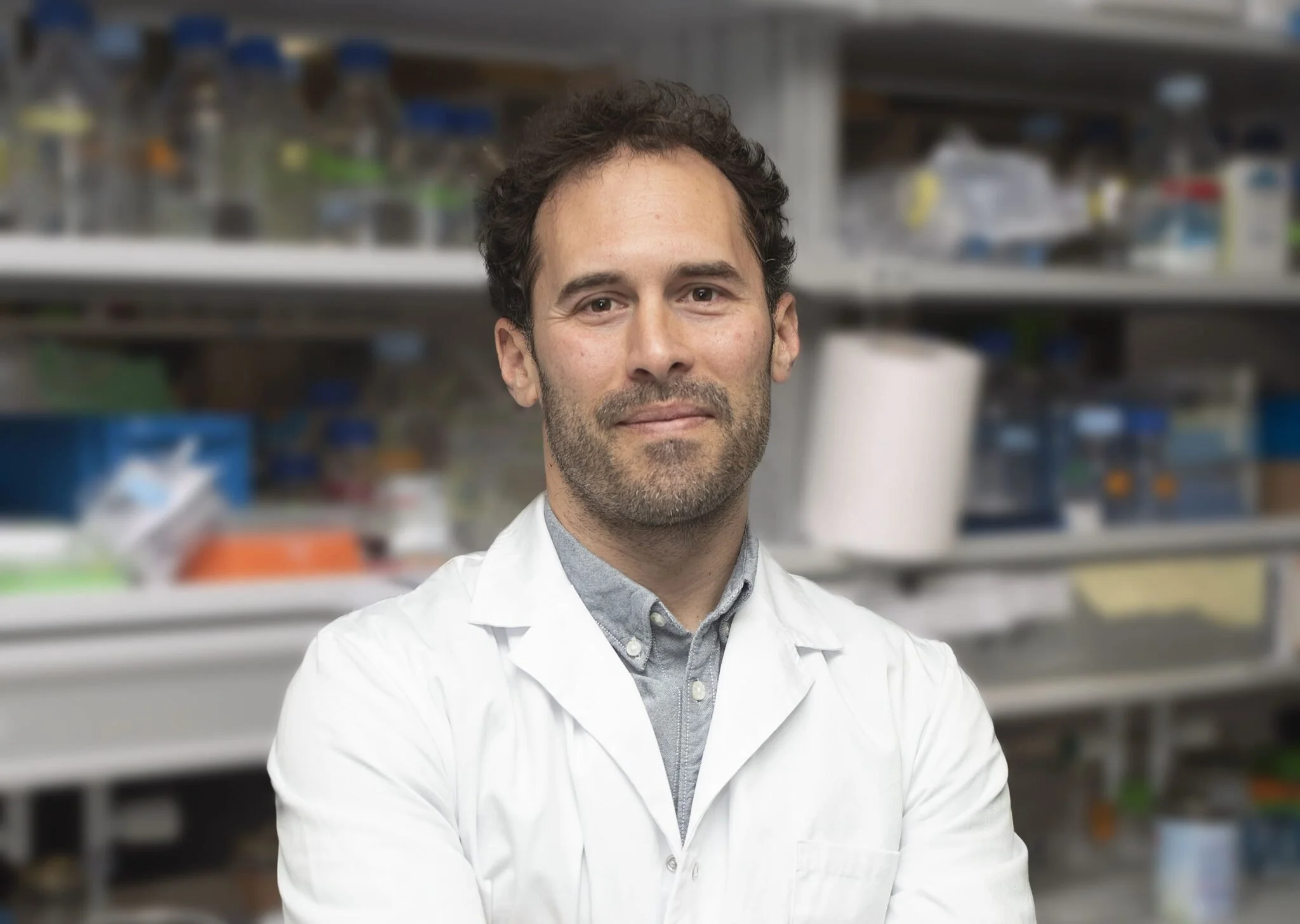
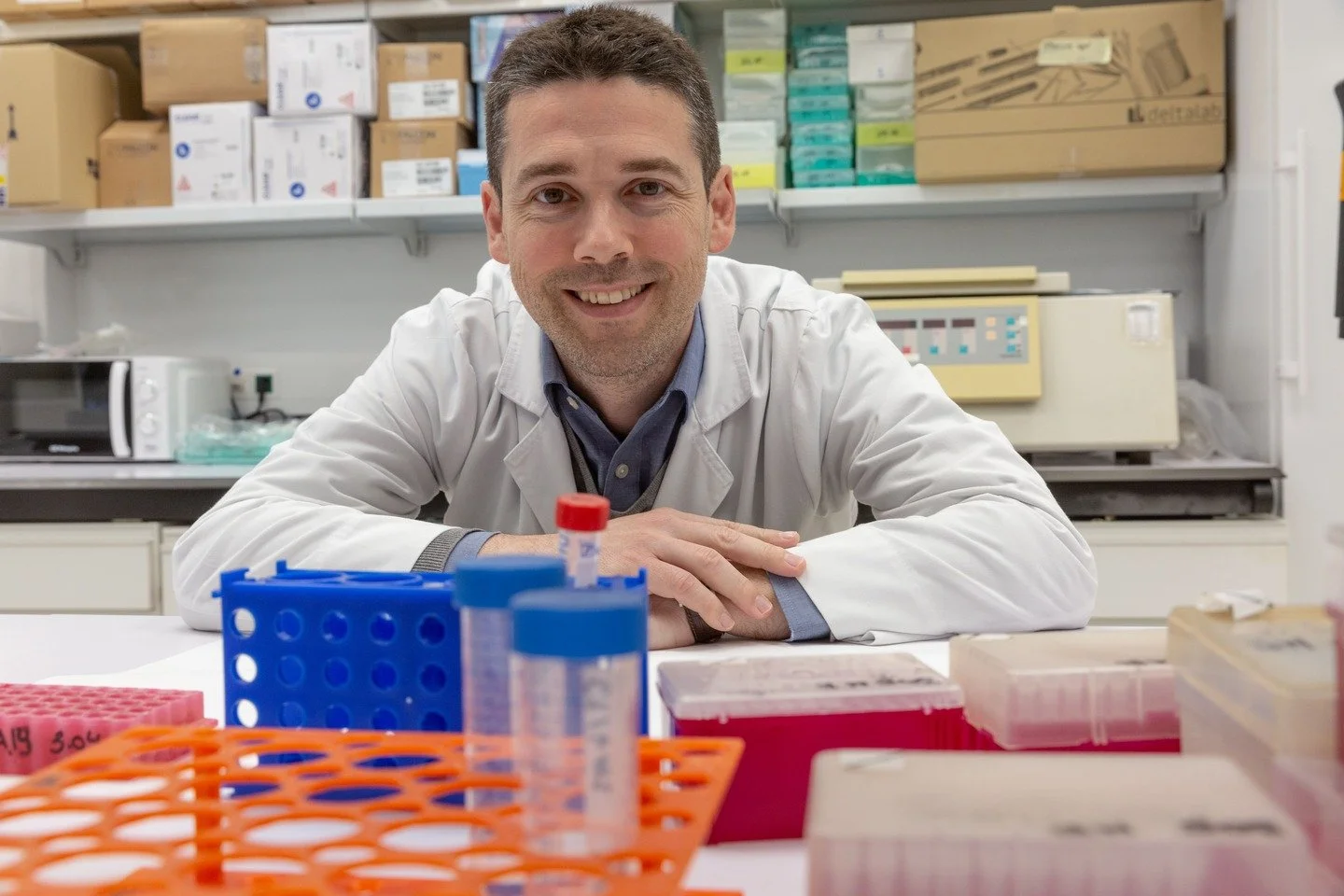
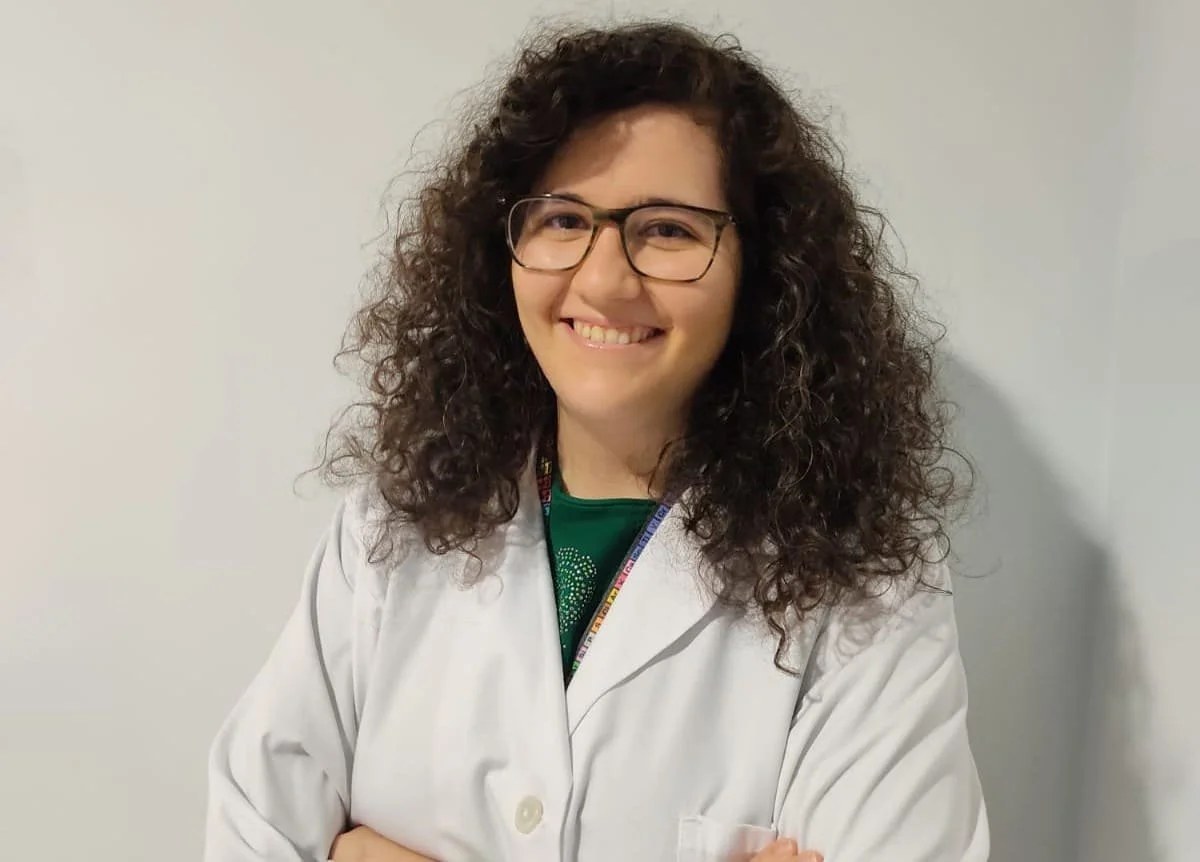
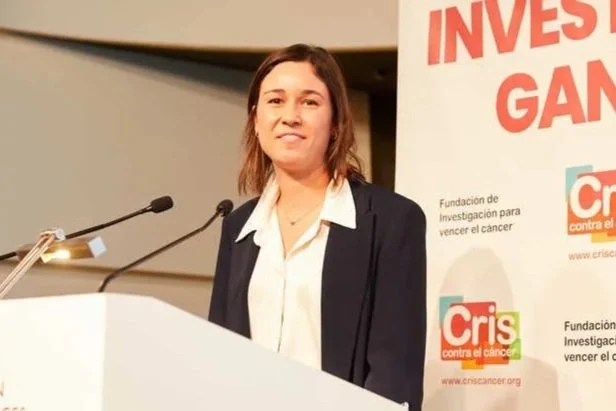
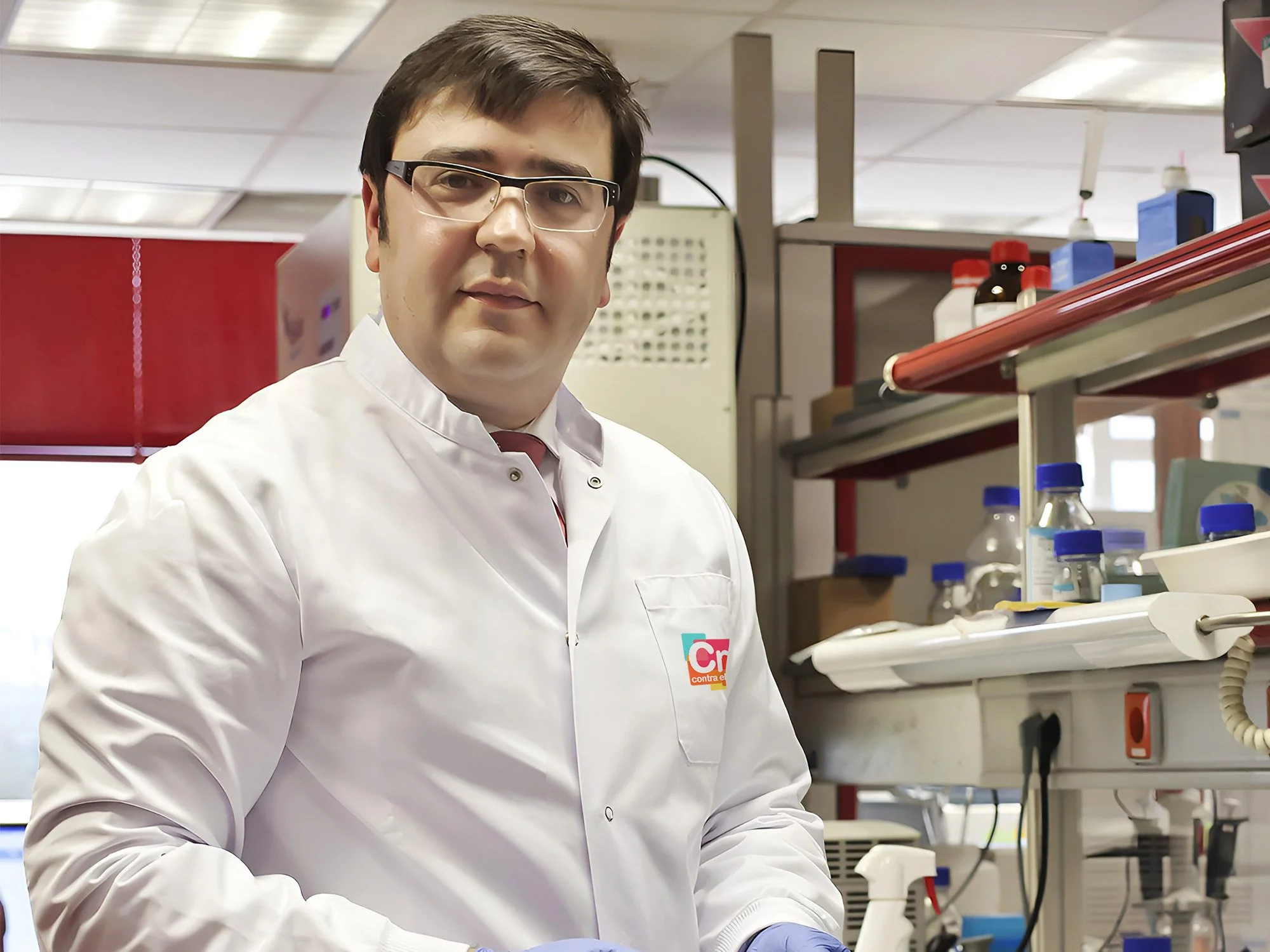
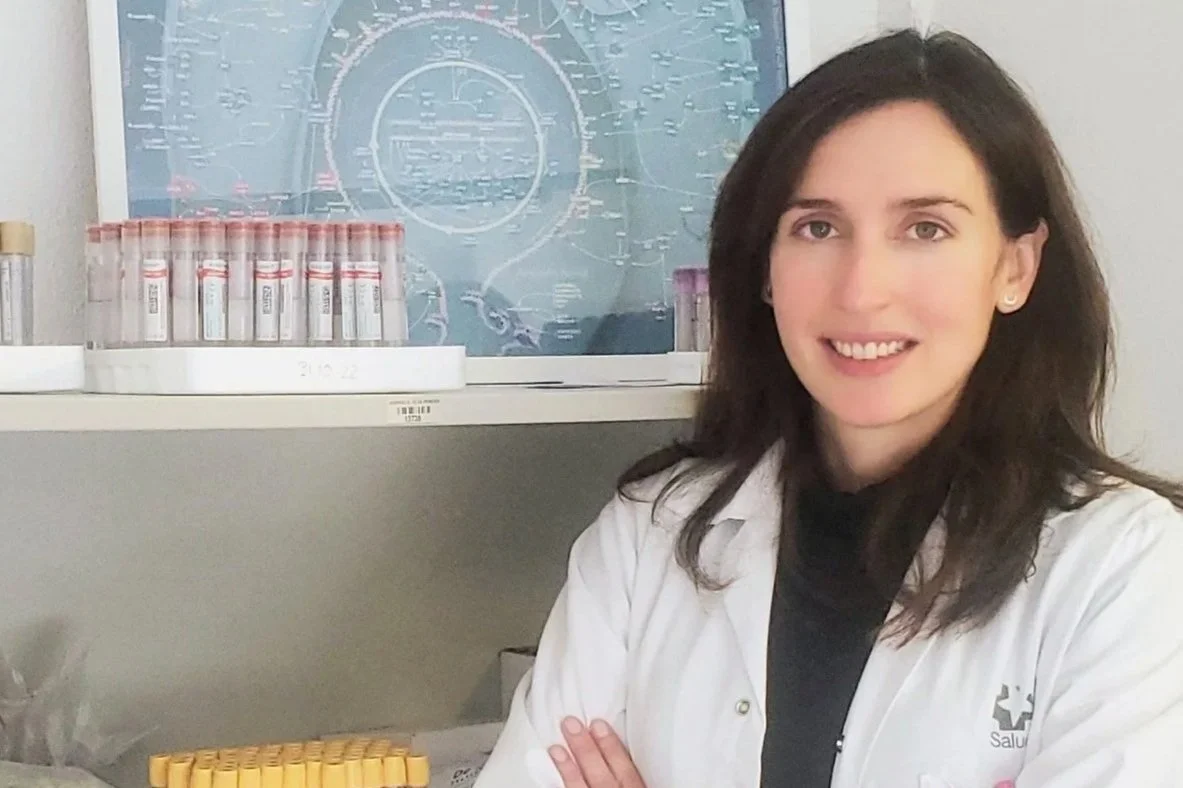
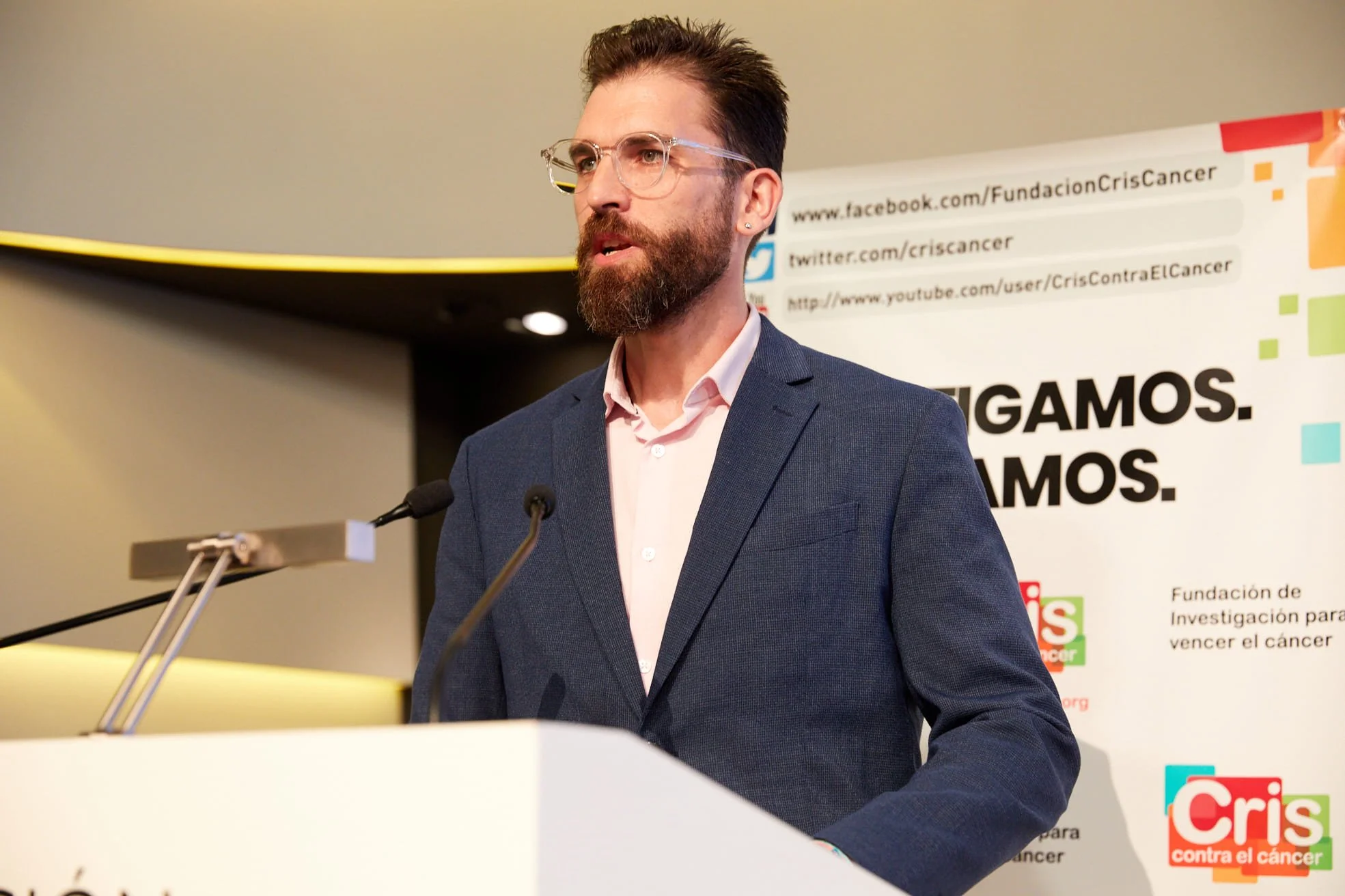
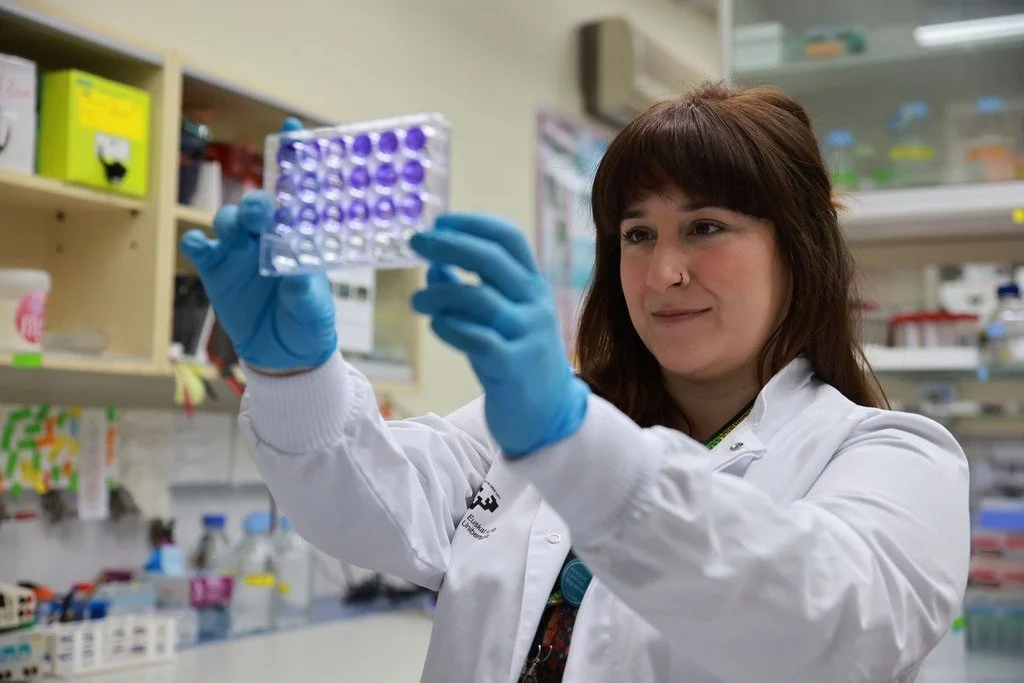
CRIS Cancer Gastrointestinal Sarcoma Project
Principal Researcher: Dr César Serrano
Centre: Vall d'Hebron Institute of Oncology (VHIO), Barcelona
Dr César Serrano and his team at the Vall d'Hebron Institute of Oncology are conducting an in-depth study of genomically simple sarcomas, a group of rare but highly aggressive tumours that show few obvious chromosomal alterations. Despite their apparent simplicity, these cancers can be difficult to treat and often have limited therapeutic options.
Using advanced genomic technologies, the researchers are searching for subtle chromosomal and molecular changes that influence tumour behaviour and disease progression. By uncovering these hidden drivers of cancer, the team hopes to identify new therapeutic vulnerabilities and develop more effective treatment strategies. The ultimate goal is to improve outcomes for patients with these rare sarcomas through more precise and personalised therapies.
Paediatric Projects
CAR-T for Paediatric Brain Tumours Project
Principal Researcher: Dr Antonio Pérez
Centre: Hospital Universitario La Paz, Madrid / Spanish National Cancer Research Centre (CNIO), Madrid
Tumours of the central nervous system remain one of the greatest challenges in paediatric oncology. Although outcomes have improved for some childhood cancers, aggressive brain tumours such as high-grade gliomas and certain medulloblastomas continue to be associated with poor survival rates and limited treatment options.
Dr Antonio Pérez and the CRIS Advanced Therapies Unit for Childhood Cancer are developing innovative CAR-T cell therapies designed specifically for paediatric brain tumours. These treatments involve genetically modifying a patient's immune cells so they can recognise and attack cancer cells more effectively.
A major goal of the project is to enable CAR-T cells to reach tumours located within the brain while avoiding damage to healthy tissues. By generating the evidence required for future clinical trials, the research aims to open new therapeutic opportunities for children with aggressive brain tumours.
Childhood Brain Tumours Project
Principal Researcher: Dr Álvaro Lassaletta
Centre: Hospital Infantil Universitario Niño Jesús, Madrid
This project evaluates the safety and effectiveness of CELYVIR, an innovative therapy based on oncolytic viruses, for children and young people with relapsed or progressive brain tumours.
Around 250 children are diagnosed with brain tumours in Spain each year. Among them, medulloblastoma remains a major concern, particularly when the disease relapses after standard treatment.
Dr Álvaro Lassaletta is leading a clinical study investigating CELYVIR, an innovative immunotherapy based on oncolytic viruses that selectively target and attack tumour cells. The treatment is being evaluated in children and young adults with relapsed or progressive brain tumours.
The project aims to provide a safer therapeutic alternative with fewer long-term side effects while improving quality of life and treatment outcomes for patients with some of the most challenging forms of childhood cancer.
Oncolytic Viruses for Paediatric Gliomas Project
Principal Researcher: Dr Marta Alonso
Centre: Clínica Universidad de Navarra (CUN) – Centre for Applied Medical Research (CIMA), Pamplona
Diffuse midline glioma is one of the most devastating childhood cancers. It typically develops in the brainstem, making surgery impossible and leaving patients with extremely limited treatment options.
Dr Marta Alonso and her team are developing a novel therapeutic strategy based on oncolytic viruses that selectively infect and destroy tumour cells. In addition to their direct anti-cancer effects, these viruses can stimulate the immune system and encourage it to attack the tumour.
The research aims to develop a new generation of treatments capable of overcoming tumour resistance while mobilising the body's own defences against this aggressive disease.
CRIS Cancer Radioimmunotherapy for Paediatric Brain Tumours Project
Principal Researcher: Dr Sara Labiano
Centre: Clínica Universidad de Navarra (CUN) – Centre for Applied Medical Research (CIMA), Pamplona
Brain tumours remain the second leading cause of cancer-related death in children. Among them, diffuse midline glioma is associated with particularly poor outcomes, with survival rates remaining extremely low despite current therapies.
Dr Sara Labiano is studying new immunotherapy approaches designed to work alongside radiotherapy, helping the immune system recognise and attack tumour cells more effectively.
By enhancing the anti-tumour effects of radiation treatment, the project hopes to improve outcomes for children with this devastating disease and create a foundation for future therapeutic advances.
CRIS Cancer Childhood Cancer Origins Project
Principal Researcher: Dr Mònica Sánchez
Centre: Sant Joan de Déu Research Institute (IRSJD), Barcelona
Childhood cancer is rare, but it remains the leading disease-related cause of death in children. Unlike many adult cancers, some paediatric tumours may begin developing before birth, even though symptoms only appear years later. However, researchers still do not know precisely when many childhood cancers originate or how long it takes for the first cancer-causing alterations to develop into a detectable tumour.
Dr Mònica Sánchez and her team are studying genetic changes within tumour cells as biological timestamps, allowing them to estimate whether key cancer-driving events occurred during pregnancy, childhood or adolescence. The project also investigates how tumours evolve over time and when metastases emerge. By reconstructing the timeline of childhood cancer development, the research aims to improve our understanding of tumour origins and identify new opportunities for earlier diagnosis, prevention and more personalised treatments.
CRIS Cancer Memory Cells for Immunocompromised Paediatric Cancer Patients Project
Principal Researcher: Dr Antonio Pérez
Centre: Hospital Universitario La Paz, Madrid / Spanish National Cancer Research Centre (CNIO), Madrid
Many children undergoing cancer treatment experience severe immune suppression as a result of their disease, intensive chemotherapy or stem cell transplantation. During these periods of vulnerability, infections can become life-threatening and may limit access to potentially curative treatments.
This project aims to develop a novel strategy based on the administration of specialised immune memory cells capable of providing rapid, targeted and temporary immune protection. The goal is to create a safe support therapy that can be used before intensive treatment, after transplantation or during periods of severe infection risk. By improving immune function during critical stages of treatment, the project seeks to help children tolerate therapy more effectively and improve overall outcomes.
CRIS Cancer Comprehensive Molecular Diagnosis in Children and Adolescents with Cancer Project
Principal Researcher: Dr Antonio Pérez
Centre: Hospital Universitario La Paz, Madrid
Childhood cancer is influenced not only by genetic factors but also by environmental conditions. Exposure to pollutants, prenatal influences, urban environments and lifestyle-related factors may interact with genetic predisposition and contribute to cancer risk.
This project aims to integrate environmental data with clinical information from paediatric cancer patients in order to better understand these complex interactions. The initiative also explores strategies to improve patient wellbeing and promote a broader understanding of children's health. The research aims to establish a new framework for studying childhood cancer as both a biological and environmental disease.
CRIS Cancer Environmental Factors in Childhood Cancer Project
Principal Researcher: Dr Antonio Pérez
Centre: Hospital Universitario La Paz, Madrid
Childhood cancer is influenced not only by genetic factors but also by environmental conditions. Exposure to pollutants, prenatal influences, urban environments and lifestyle-related factors may interact with genetic predisposition and contribute to cancer risk.
This project aims to integrate environmental data with clinical information from paediatric cancer patients in order to better understand these complex interactions. The initiative also explores strategies to improve patient wellbeing and promote a broader understanding of children's health. The research aims to establish a new framework for studying childhood cancer as both a biological and environmental disease.
CRIS Cancer Fast-Track Molecular Diagnosis Project
Principal Researcher: Dr Antonio Pérez
Centre: Hospital Universitario La Paz, Madrid
Most molecular diagnostic tools currently used in oncology were originally developed for adult cancers and do not fully address the unique characteristics of childhood tumours. As a result, important genetic alterations may go undetected, delaying diagnosis and limiting access to personalised therapies.
The project has developed a specialised platform called mut4Child, which improves the speed, precision and sensitivity of genetic testing in paediatric cancer. By identifying clinically relevant alterations more effectively, the initiative aims to ensure that every child receives the most appropriate treatment as early as possible.
CRIS Cancer HERCANIN Hereditary Predisposition to Childhood Cancer Project
Principal Researcher: Dr Antonio Pérez
Centre: Hospital Universitario La Paz, Madrid
This project identifies families with inherited predisposition to childhood cancer and supports personalised prevention, surveillance and treatment strategies.
Some childhood cancers arise because of inherited genetic alterations that increase cancer susceptibility. Identifying these families can help clinicians detect disease earlier and provide more tailored care.
The HERCANIN programme offers specialised genetic assessment for children with cancer and their relatives, helping to identify hereditary cancer syndromes and assess future risk. The project supports personalised monitoring programmes, preventive strategies and treatment decisions based on each family's unique genetic profile.
CRIS Cancer Nano-Guided Immune Cells for Paediatric Solid Tumours Project
Principal Researcher: Dr Antonio Pérez
Centre: Hospital Universitario La Paz, Madrid / Spanish National Cancer Research Centre (CNIO), Madrid
Although CAR-T therapies have transformed treatment for some blood cancers, achieving similar success in solid tumours remains challenging. One major obstacle is ensuring that therapeutic immune cells reach the tumour efficiently.
This project combines CAR-T cell therapy with magnetic nanoparticles that allow immune cells to be directed towards tumours using external magnetic fields. By improving tumour targeting and reducing off-target effects, the research aims to develop safer and more effective immunotherapies for difficult-to-treat paediatric solid tumours such as glioblastomas and sarcomas.
CRIS Cancer Advanced Therapy Medicines Manufacturing Unit Project
Principal Researcher: Dr Antonio Pérez
Centre: Hospital Universitario La Paz, Madrid
The CRIS Advanced Therapies Unit has established a dedicated facility for the manufacture of advanced therapy medicinal products, including CAR-T and Natural Killer (NK) cell therapies. Producing these treatments within the hospital reduces delays, improves flexibility and supports the development of highly personalised medicines.
The project provides the infrastructure needed to accelerate access to cutting-edge therapies while maintaining the highest standards of safety and quality.
CRIS Cancer Personalised Medicine in Childhood Lymphoma Project
Principal Researcher: Dr Itziar Salaverria
Centre: August Pi i Sunyer Biomedical Research Institute (IDIBAPS) – Hospital Clínic, Barcelona
Although childhood lymphomas often have high cure rates, relapsed disease remains extremely difficult to treat. Unlike adult lymphoma, advanced genetic tools are not yet routinely incorporated into the diagnosis and treatment of paediatric lymphomas in Spain. As a result, many of the genetic and molecular factors that influence tumour behaviour remain poorly understood.
Dr Itziar Salaverria and her team will apply state-of-the-art genomic technologies, including single-cell analysis and liquid biopsy, to hundreds of samples from children and adolescents with lymphoma. The project aims to identify key genetic alterations, discover biomarkers that can predict disease progression and uncover new therapeutic targets. By improving understanding of the biology of these tumours, the research seeks to support more personalised, effective treatments with fewer side effects for young patients with lymphoma.
CRIS Cancer Paediatric Clinical Trials Unit Reinforcement Project
Principal Researcher: Dr Antonio Pérez
Centre: Hospital Universitario La Paz, Madrid
Clinical trials are essential for bringing new therapies to children with cancer, particularly those with rare or difficult-to-treat diseases. As the number of innovative studies continues to grow, additional resources and specialised staff are needed to support their safe and efficient delivery.
This project expands the capabilities of the Paediatric Clinical Trials Unit, enabling greater participation in pioneering international studies and ensuring closer monitoring and support for patients and families. The initiative strengthens the role of the CRIS Advanced Therapies Unit as a leading centre for paediatric cancer research and innovation.
CRIS Cancer CAR-T for Paediatric Haematological Tumours (Project Mateo)
Principal Researcher: Dr Antonio Pérez
Centre: Hospital Universitario La Paz, Madrid / Spanish National Cancer Research Centre (CNIO), Madrid
This project is developing new CAR-T cell therapies for children with juvenile myelomonocytic leukaemia (JMML), a rare and aggressive form of childhood leukaemia.
Juvenile myelomonocytic leukaemia is a rare but highly aggressive childhood blood cancer for which treatment options remain limited. Relapse and treatment resistance continue to present major challenges.
The Project Mateo team is working to identify molecular markers found specifically on tumour cells so that CAR-T therapies can be designed to recognise and destroy cancer cells without harming healthy tissues. Using advanced molecular analysis and specialised cellular manufacturing facilities, researchers aim to create highly personalised immunotherapies that could improve outcomes for children with JMML and potentially other paediatric blood cancers in the future.
CRIS Cancer TOTALCURE Trial
Principal Researcher: Dr Antonio Pérez
Centre: Hospital Universitario La Paz, Madrid / Spanish National Cancer Research Centre (CNIO), Madrid
Some of the most aggressive childhood leukaemias, including T-cell acute lymphoblastic leukaemia (T-ALL), acute myeloid leukaemia (AML) and juvenile myelomonocytic leukaemia (JMML), have very limited treatment options when standard therapies fail.
The TOTALCURE project aims to develop and clinically evaluate a new personalised CAR-T therapy manufactured directly from each patient's own immune cells. Produced within the hospital using proven and highly regulated technology, this treatment is designed to offer a new therapeutic option for children who currently have few alternatives. Beyond the clinical trial itself, the project will also establish infrastructure that will support the development of future advanced cellular therapies for paediatric cancer patients in Spain.
CRIS Cancer MLL Leukaemia Project
Principal Researcher: Dr Mireia Camós
Centre: Hospital Sant Joan de Déu, Barcelona
MLL-rearranged leukaemia is a particularly aggressive form of childhood leukaemia that most often affects infants and very young children. Despite significant treatment advances, many patients still experience poor outcomes and a high risk of relapse.
Dr Mireia Camós and her team are studying the biological factors that influence treatment response and disease progression in these patients. Using advanced molecular technologies, the researchers are analysing leukaemia cells in detail to identify new biomarkers and improve disease monitoring. The ultimate goal is to support earlier detection of treatment failure, personalise therapies and reduce relapse rates among children affected by this challenging disease.
CRIS Cancer BEACON2 Clinical Trial
Principal Researcher: Dr Lucas Moreno
Centre: Vall d'Hebron Research Institute (VHIR), Barcelona
This international clinical trial is evaluating new treatment combinations for children with relapsed neuroblastoma, one of the most difficult childhood cancers to treat successfully.
Children with relapsed neuroblastoma often have limited treatment options, and finding more effective therapies remains a major priority in paediatric oncology.
Led by Dr Lucas Moreno at the Vall d'Hebron Research Institute, the BEACON2 trial is investigating innovative treatment combinations that bring together tumour-targeting antibodies, therapies directed against tumour blood vessels and chemotherapy. The study involves hospitals across more than ten countries and seeks to establish new international standards of care for children whose disease has returned after treatment. By improving treatment effectiveness and extending survival, the project aims to offer greater hope to children and families affected by high-risk neuroblastoma.
CRIS Cancer Neuroblastoma Project
Principal Researcher: Dr Antonio Pérez
Centre: Hospital Universitario La Paz, Madrid / Spanish National Cancer Research Centre (CNIO), Madrid
Neuroblastoma is one of the most frequently diagnosed solid tumours in childhood and is often discovered only after it has already spread to other parts of the body. Children with high-risk neuroblastoma continue to face significant challenges despite major advances in treatment.
Researchers at the CRIS Advanced Therapies Unit for Childhood Cancer are developing new immunotherapy approaches designed to help the patient's own immune system recognise and destroy tumour cells more effectively. The project combines advanced cellular therapies, drugs that make tumour cells more visible to the immune system and laboratory models created from patient samples. By tailoring treatments to the biological characteristics of each tumour, the team aims to improve survival and offer new therapeutic options for children with this aggressive disease.
CRIS Cancer CAR4SAR Project
Principal Researcher: Dr Antonio Pérez
Centre: Hospital Universitario La Paz, Madrid
This Phase I clinical trial is evaluating the safety and optimal dose of an innovative CAR-T cell therapy for children with advanced sarcomas. The project aims to develop more effective and less toxic treatment options for young patients with limited alternatives.
Paediatric sarcomas are rare but aggressive cancers that can be particularly difficult to treat when they become advanced or resistant to conventional therapies. Children with relapsed disease often have very few effective treatment options available.
The CAR4SAR project is being conducted within the CRIS Advanced Therapies Unit for Childhood Cancer at Hospital Universitario La Paz. The study evaluates a novel CAR-T cellular therapy developed by Dr Antonio Pérez and his team, designed to recognise and attack a broad range of tumour cells. Eighteen paediatric patients will participate in this initial clinical trial phase, helping researchers determine the safest and most effective treatment strategy. The project aims to advance the development of personalised immunotherapies capable of improving outcomes while reducing long-term side effects.
CRIS Cancer Rhabdoid Tumours Project
(Project Manuel)
Principal Researcher: Dr Antonio Pérez
Centre: Hospital Universitario La Paz, Madrid / Spanish National Cancer Research Centre (CNIO), Madrid
This project aims to develop new treatment strategies for rhabdoid tumours, a rare and highly aggressive childhood cancer with very limited therapeutic options.
Rhabdoid tumours are among the most aggressive paediatric cancers and primarily affect infants and very young children. Despite intensive treatment, survival rates remain low and many patients have few effective therapeutic options available.
The team is working to understand the genetic and molecular abnormalities that drive the development of these tumours. By identifying weaknesses within tumour cells and studying their biological behaviour in greater detail, researchers hope to uncover new therapeutic targets and develop more effective treatments.
CRIS Cancer NK Cells for Paediatric Sarcomas Project
Principal Researcher: Dr Antonio Pérez
Centre: Hospital Universitario La Paz, Madrid / Spanish National Cancer Research Centre (CNIO), Madrid
Paediatric sarcomas affecting bone and soft tissues can be particularly aggressive when they spread throughout the body or become resistant to chemotherapy. Survival rates for these patients remain poor, highlighting the need for innovative treatments.
This project focuses on the development of therapies based on Natural Killer (NK) cells, specialised immune cells capable of recognising and destroying cancer cells. Researchers are engineering and optimising NK-cell therapies for use against paediatric sarcomas and are also investigating combinations with other treatments to enhance effectiveness. The ultimate goal is to provide new therapeutic opportunities for children and adolescents who currently have few effective options available.
CRIS Cancer SANKOMA Trial
Principal Researcher: Dr Antonio Pérez
Centre: Hospital Universitario La Paz, Madrid / Spanish National Cancer Research Centre (CNIO), Madrid
This clinical trial is evaluating a novel NK-cell immunotherapy for children and young people with advanced sarcomas. The project seeks to establish a new generation of cellular therapies for difficult-to-treat paediatric tumours.
The SANKOMA trial explores an innovative immunotherapy approach using Natural Killer (NK) cells obtained from healthy donors. These immune cells are able to rapidly recognise and attack cancer cells while maintaining a favourable safety profile.
Produced entirely within the specialised cellular therapy facilities at Hospital Universitario La Paz, this treatment is being investigated as a potential option for children and young people with advanced sarcomas who have exhausted conventional therapies. If successful, the study could support the development of a new generation of personalised cellular therapies for paediatric cancer patients.

CRIS Cancer Ewing Sarcoma Project
Principal Researcher: Dr Enrique de Álava and Dr Rosa Noguera
Centre: INCLIVA Health Research Institute, Valencia / Institute of Biomedicine of Seville (IBiS), Seville / Hospital Universitario Virgen del Rocío, Seville / University of Seville / Spanish National Research Council (CSIC), Madrid
Ewing sarcoma is a rare and aggressive cancer that most commonly affects children, teenagers and young adults. Although treatments have improved in recent decades, metastatic disease and relapse remain major challenges.
This project studies both the tumour cells themselves and the surrounding tumour environment to identify factors that influence disease progression, metastasis and treatment response. Researchers are also investigating genetic alterations associated with tumour spread and recurrence. The findings may support more accurate risk assessment, improve patient stratification and reveal new vulnerabilities that can be targeted with future therapies.
CRIS Cancer Radioimmunotherapy for Paediatric Sarcomas Project
Principal Researcher: Dr Virginia Laspidea
Centre: University College London (UCL), London / Clínica Universidad de Navarra (CUN) – Centre for Applied Medical Research (CIMA), Pamplona
Dr Virginia Laspidea leads a collaborative project between University College London and the Clínica Universidad de Navarra focused on understanding the interaction between radiotherapy and the immune system in paediatric sarcoma patients.
The team is studying how different components of the immune system respond following proton radiotherapy and whether these responses can be enhanced through combinations with innovative immunotherapies such as CAR-T cells and oncolytic viruses. By combining radiation-based treatments with immune-based approaches, the project aims to develop safer, more effective therapies for children with sarcomas and improve long-term outcomes for patients facing these challenging cancers.
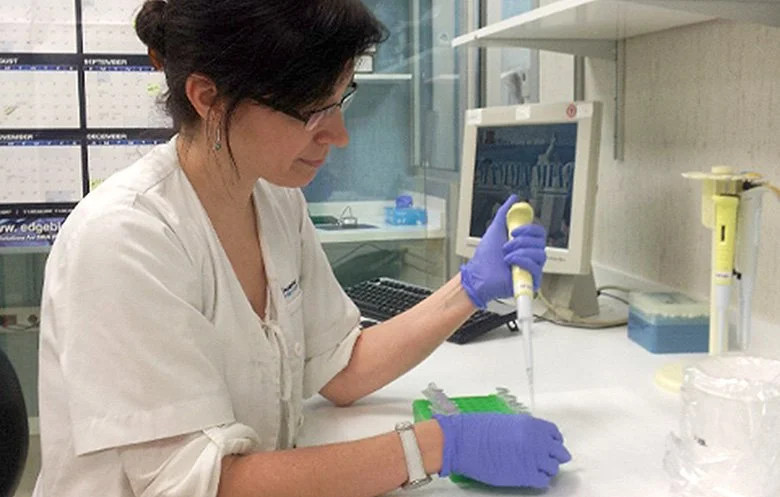
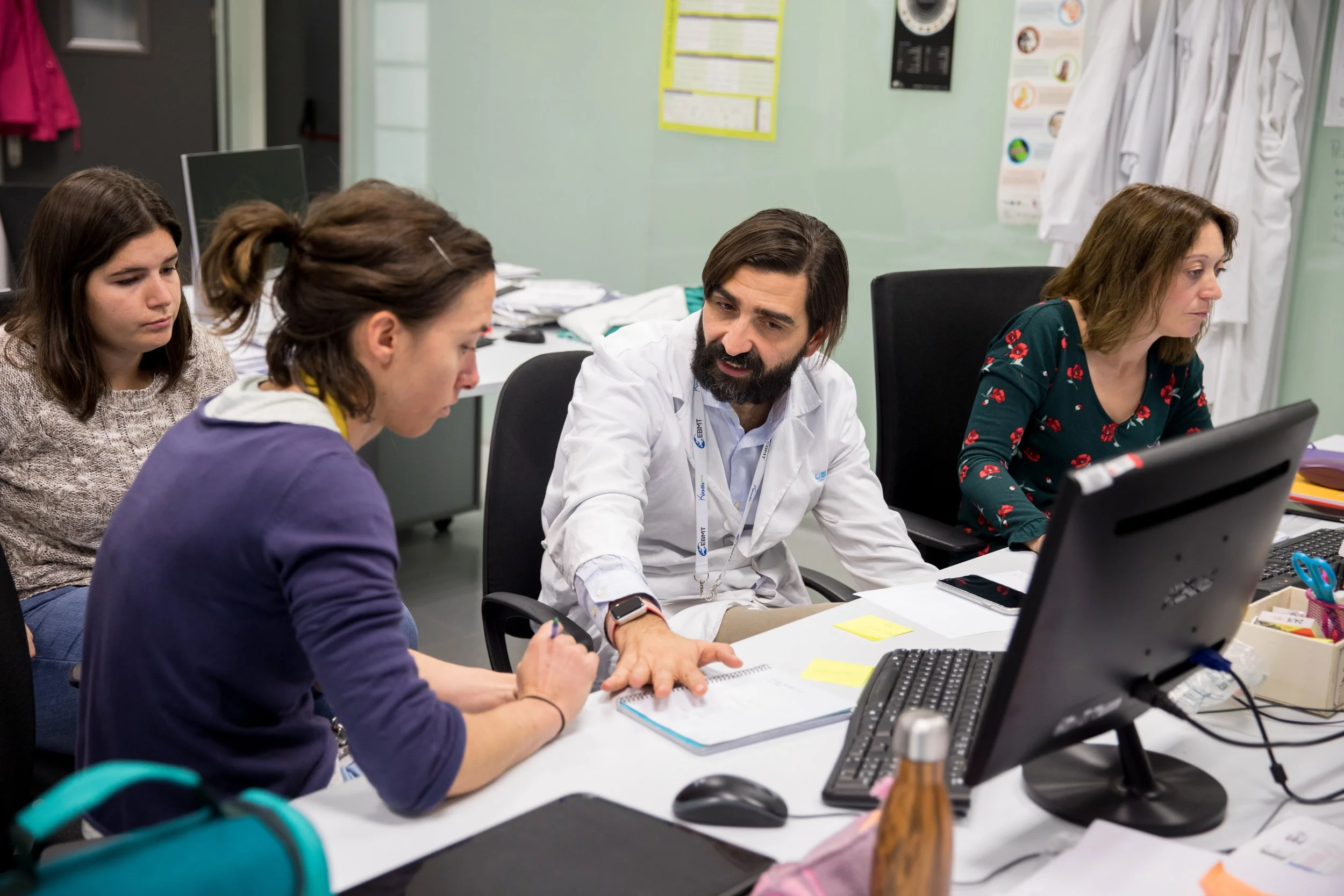
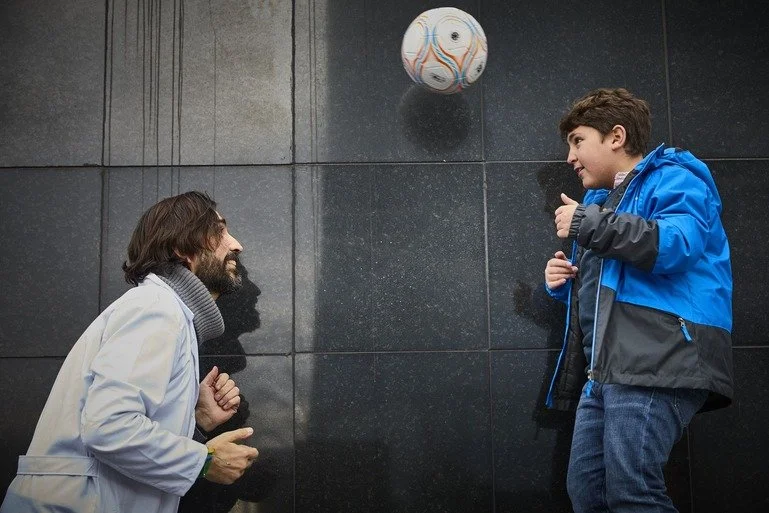
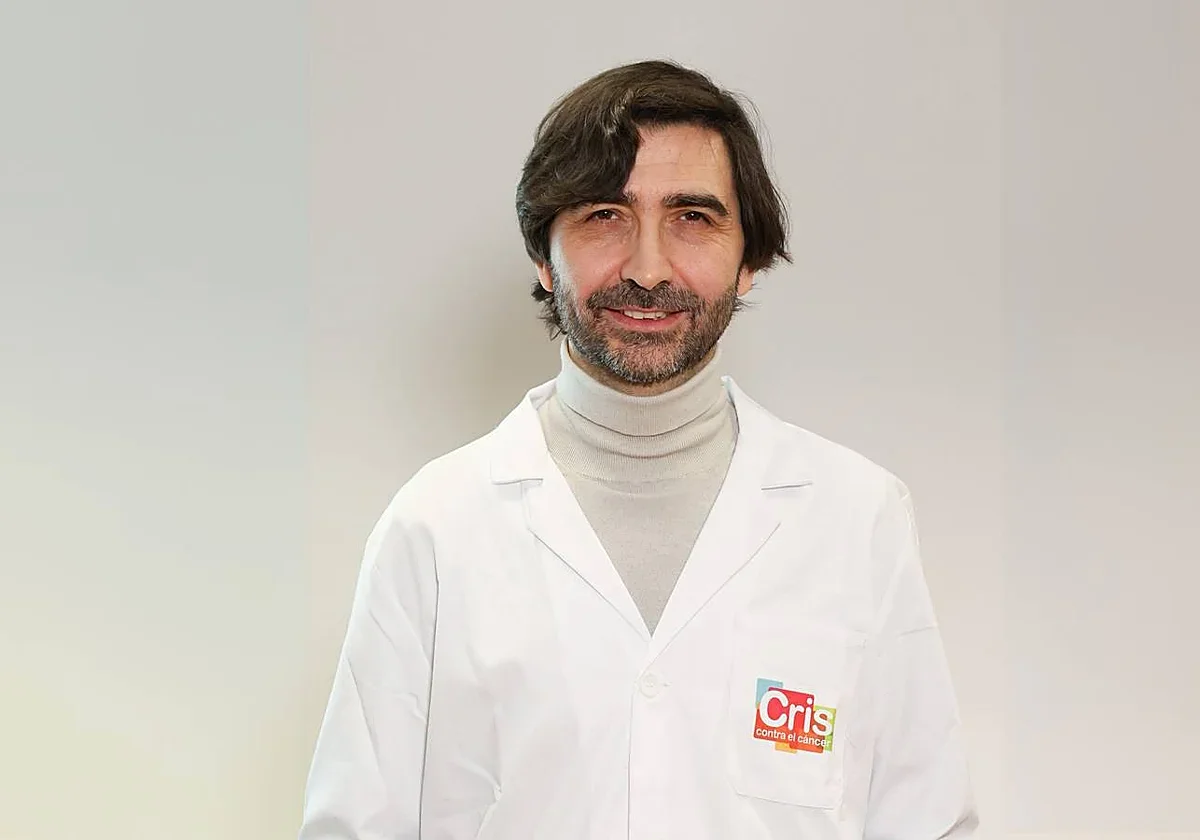
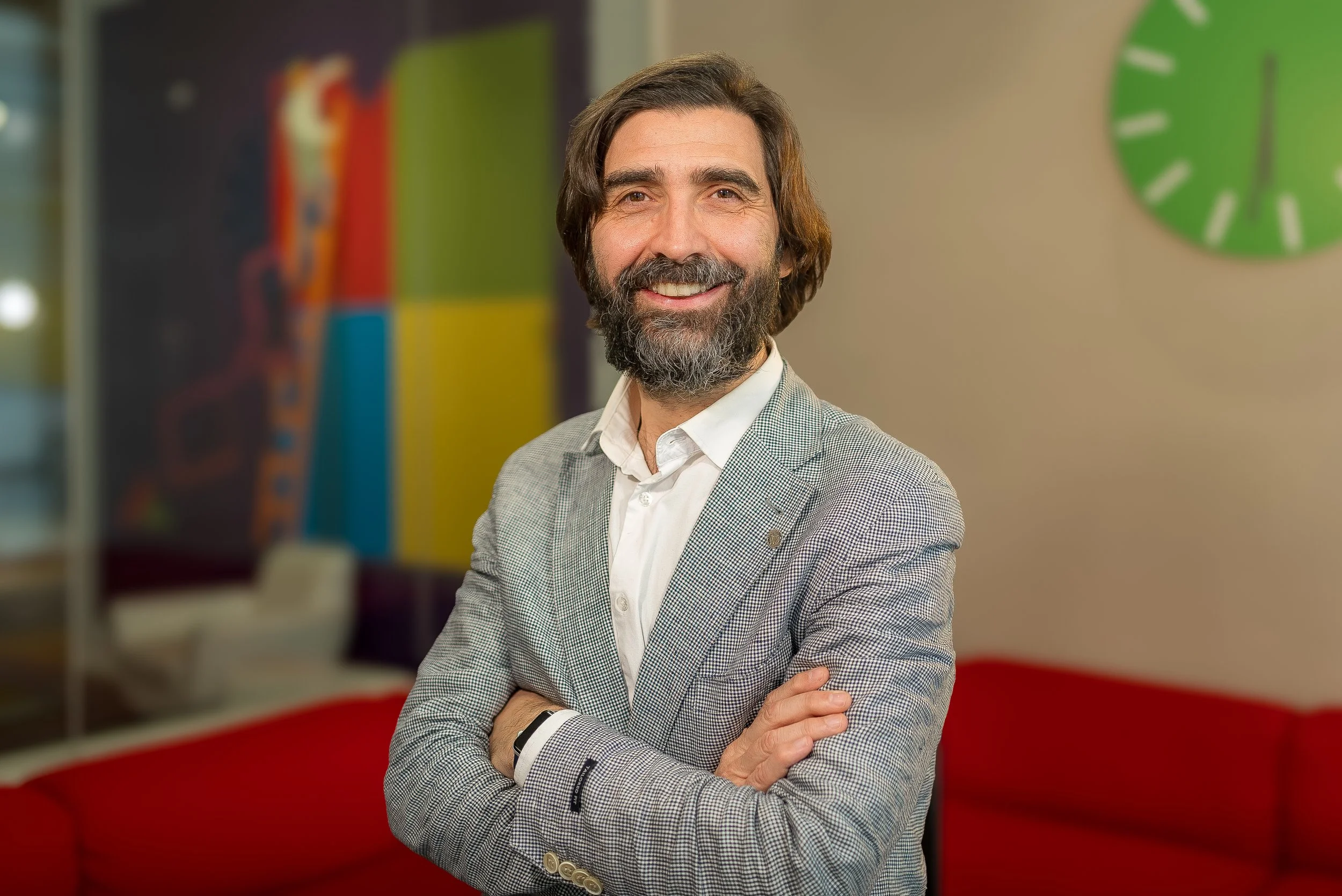
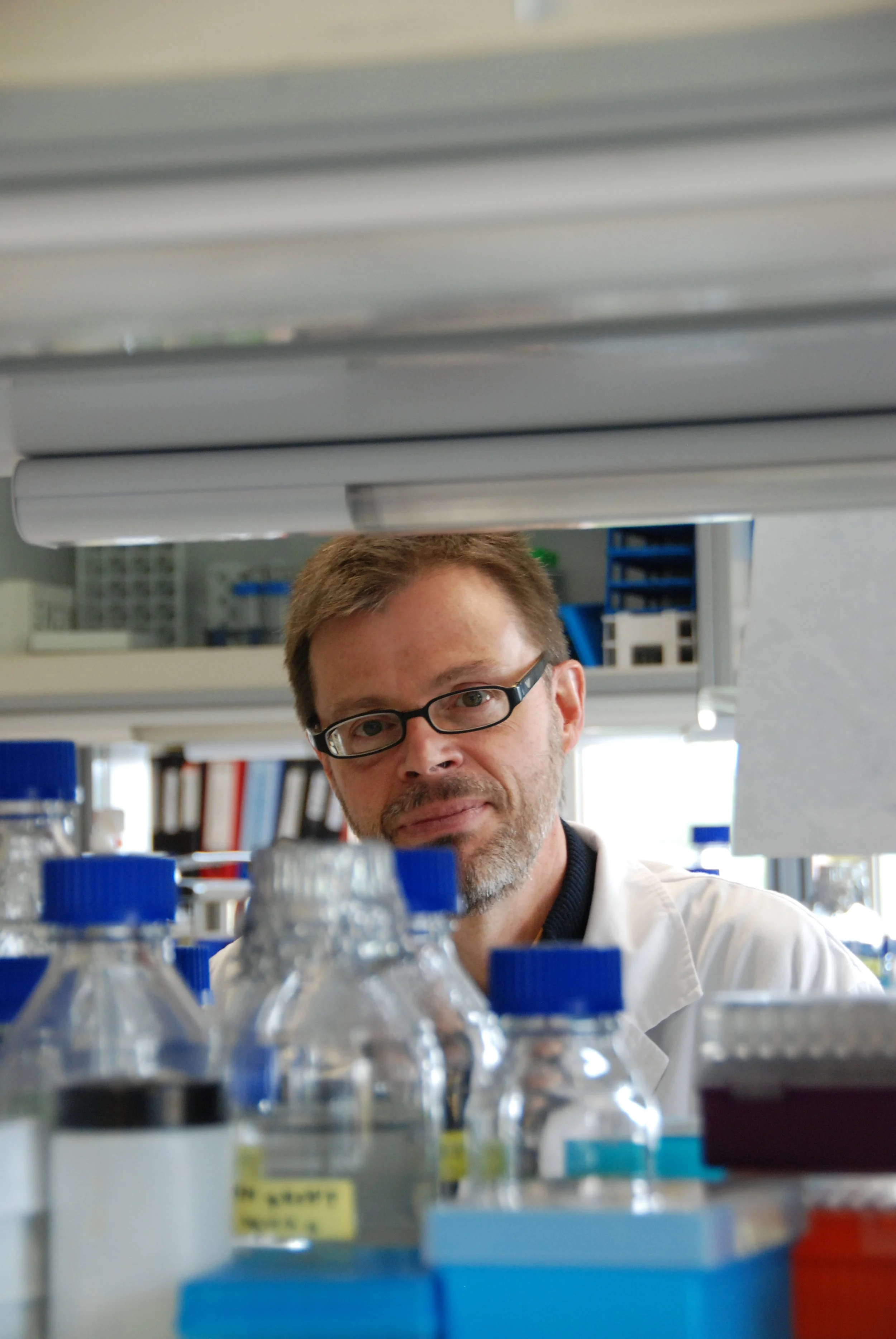
Research Units
CRIS Cancer Advanced Therapies for Childhood Cancer Unit
Principle Researcher: Dr Antonio Pérez
Centre: Hospital Universitario La Paz, Madrid
Based at Hospital Universitario La Paz in Madrid, this unit is dedicated to developing innovative treatments for children and adolescents with cancer. Its work includes cellular therapies, molecular diagnostics, clinical trials and personalised medicine approaches designed to improve outcomes for young patients.
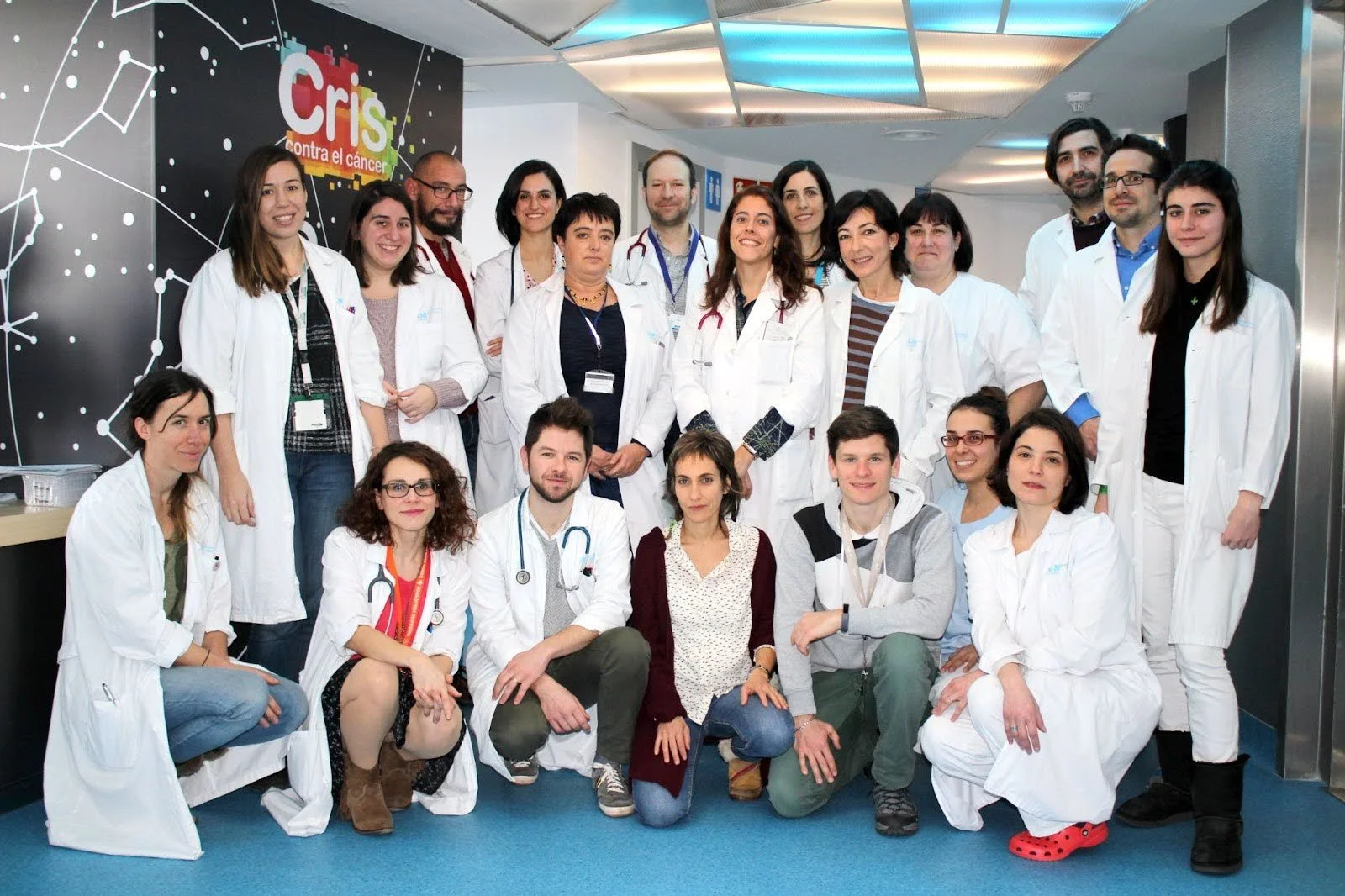
CRIS Cancer Haematological Malignancies Unit
Principle Researcher: Dr Joaquín Martínez
Centre: Hospital Universitario 12 de Octubre, Madrid - Centro Nacional de Investigaciones Oncológicas (CNIO), Madrid
Focused on blood cancers such as leukaemia, lymphoma and myeloma, this unit brings together basic researchers and clinical specialists to develop more effective treatments, advance precision medicine and improve access to innovative therapies for patients with haematological malignancies.
CRIS Cancer Immuno-Oncology Unit
Principle Researcher: Dr Luis Paz-Ares, Dr Luis Álvarez-Vallina
Centre: Hospital Universitario 12 de Octubre, Madrid / Centro Nacional de Investigaciones Oncológicas (CNIO), Madrid / Banco de Sangre y Tejidos (BST), Barcelona / Instituto Hospital del Mar de Investigaciones Médicas (IMIM), Barcelona
This multidisciplinary unit investigates how the immune system can be harnessed to prevent, control and eliminate cancer. Its research spans immunotherapy, cellular therapies, tumour immunology and the development of next-generation treatments aimed at improving patient outcomes.
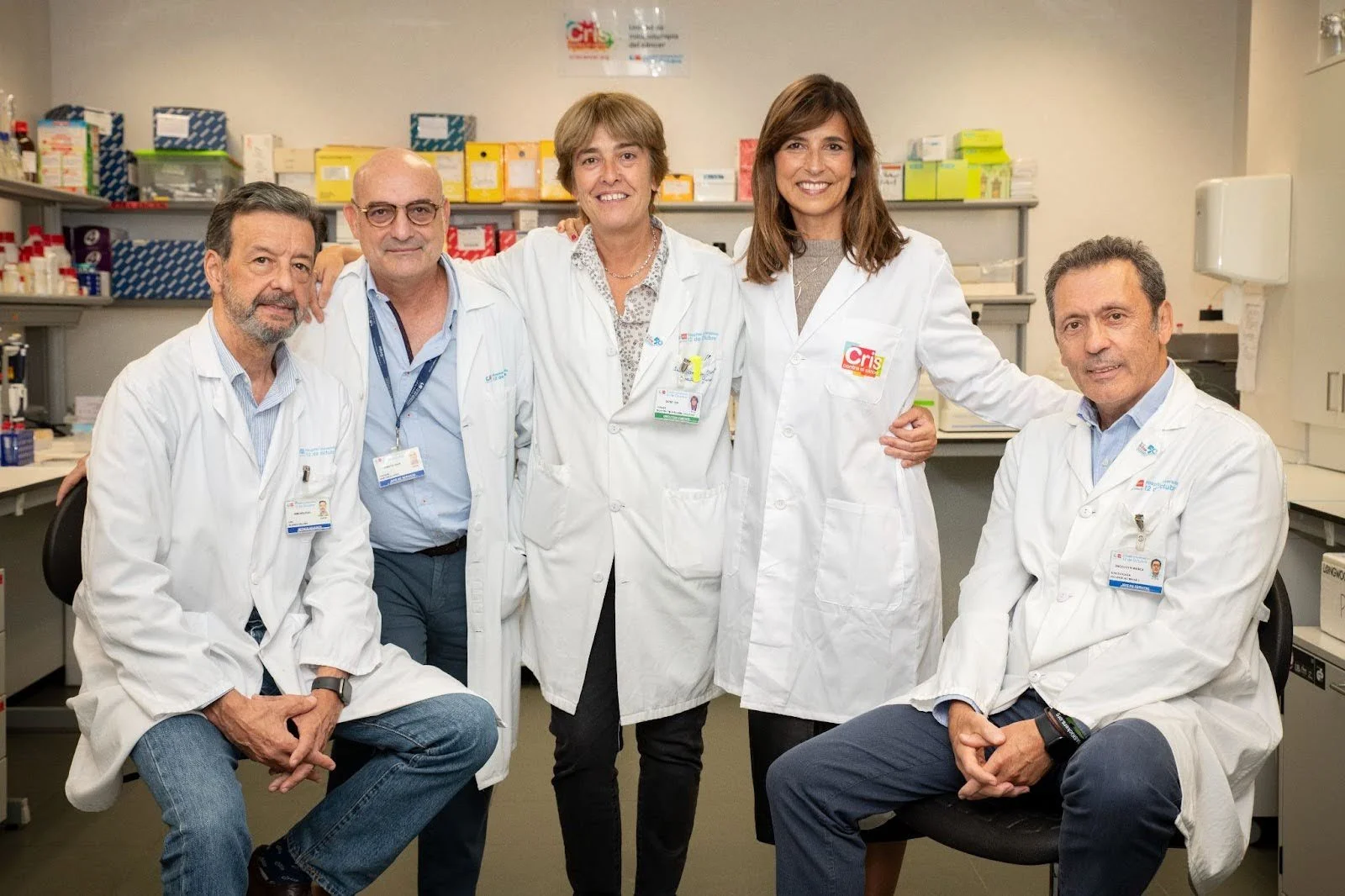
CRIS Cancer New Experimental Therapies Unit
Principle Researcher: Dr Alberto Ocaña
Centre: Hospital Clínico San Carlos, Madrid
This unit at Hospital Clínico San Carlos in Madrid, led by Dr Alberto Ocaña, integrates key structures dedicated to the development of new cancer therapies. These include the Translational Oncology Laboratory, the New Compound Screening Laboratory, a Computational Chemistry Unit, and a Phase I Clinical Trials Unit.
Dedicated to developing new treatments for all types of solid tumours, the Unit covers the entire pathway of next-generation therapy development, from their identification and discovery in the laboratory through to their application in patients.