
ADULT PROJECTS
Cancer is the disease of our generation. In the UK nearly 1 in 2 people will face a cancer diagnosis during their lifetime.
At CRIS Cancer, we believe that this challenge demands urgency, ambition, and innovation. Through collaborations with leading hospitals, universities, and research centres worldwide, we advance translational research, precision medicine, immunotherapy, and next-generation therapies, delivering more effective, personalised, and life-saving treatments for patients.
The Institute of Cancer Research (ICR)
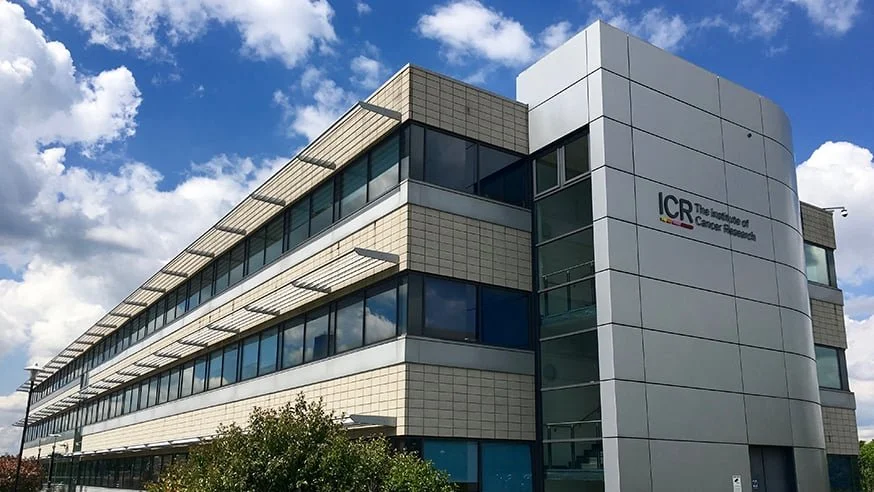
The Institute of Cancer Research (ICR), is a world-leading centre for cancer research, renowned for its expertise in cancer drug discovery. Its work focuses on understanding the biological mechanisms that drive adult cancers, particularly those that become resistant to existing treatments.
Through this collaboration, research at the ICR is advancing targeted therapies and immunotherapy approaches, with the aim of improving outcomes and delivering more personalised treatments for patients.
-
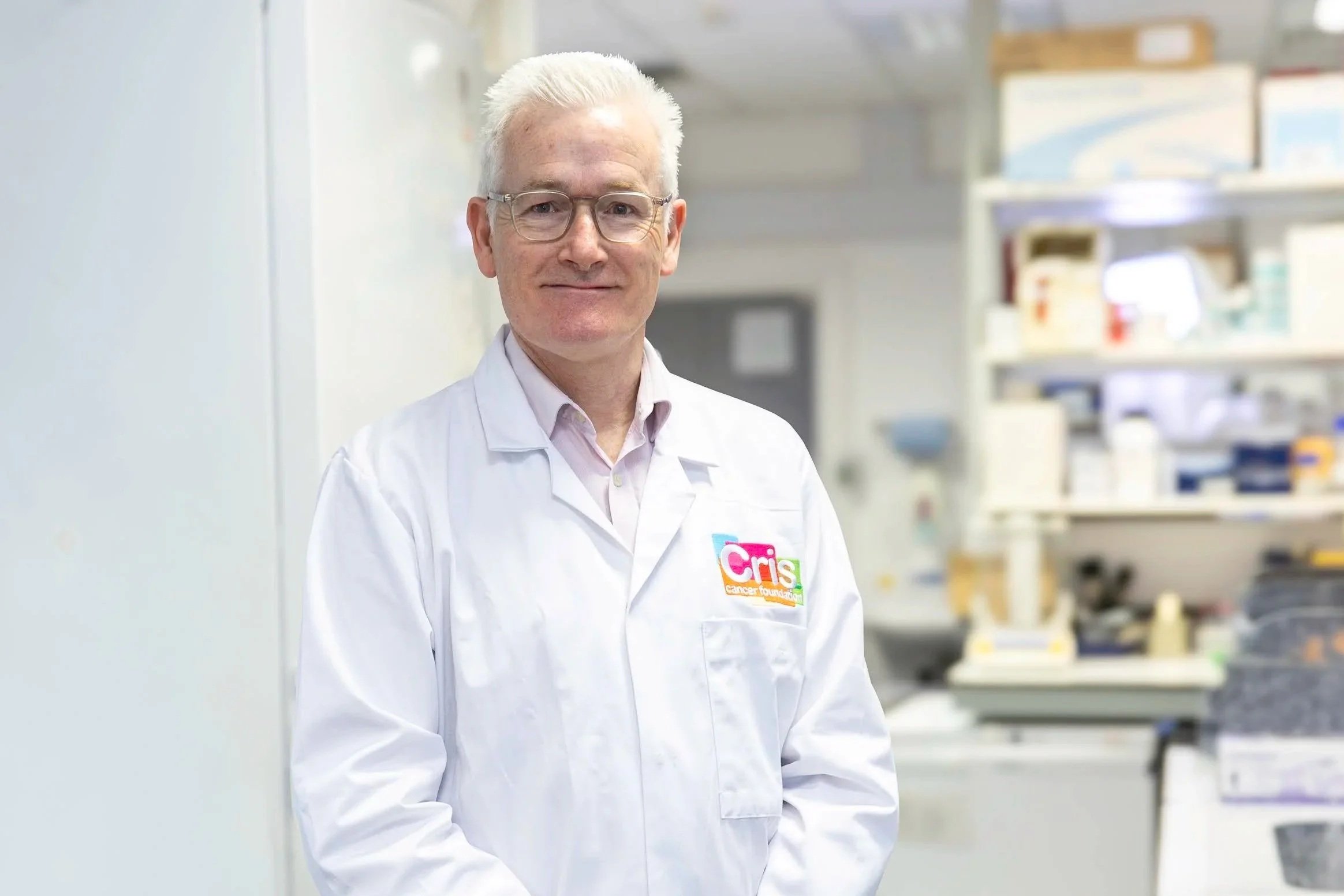
Principal Investigator: Dr Kevin Harrington
Centre: Institute of Cancer Research, London
Introduction
Head and neck cancer is one of the most common types of cancer worldwide, with approximately 550,000 new cases diagnosed each year. In Spain alone, around 8,188 cases are diagnosed annually. Despite its relatively high incidence, mortality remains high: about 380,000 people die from this disease worldwide each year, more than 1,000 of them in Spain.
Most of these deaths occur when the disease spreads or recurs after treatment, something that unfortunately happens quite frequently. Moreover, even when the tumor is completely eliminated, this type of cancer can leave significant physical sequelae that may severely affect patients’ quality of life.
In this context, immunotherapy has emerged as a major breakthrough in the treatment of head and neck cancer, opening up a wide range of new possibilities (see video in Spanish here, subtitles available).
In patients with localized tumors that have not metastasized, immunotherapy could be combined with other treatments to achieve therapies that are overall less aggressive and produce fewer long-term side effects. In patients with metastatic or recurrent disease, these therapies could offer better prospects than the options currently available.
However, the reality is that immunotherapy currently works only in a subset of patients. Unfortunately, there are still no effective methods to predict which patients will respond to immunotherapy treatments.
One of the major challenges in designing new and improved immunotherapy strategies is that both tumors and the immune cells that fight them change over time, partly as a consequence of the treatments that patients receive. Understanding these changes would allow researchers to design better immunotherapy strategies and potentially predict which patients are more likely to benefit from these treatments.
The Project
Within the framework of the Centre for Translational Immunotherapy at the Institute of Cancer Research, the CRIS Foundation supports a research project on head and neck cancer led by Dr. Kevin Harrington. Dr. Harrington is an internationally recognized expert who has been working since 2001 on the development of new therapies for one of the most challenging types ofcancer to treat: head and neck tumors.
Our immune system is designed to fight all kinds of threats, including cancer, and T lymphocytes play a key role in this process. Our bodies contain millions of different T lymphocytes, each carrying a receptor that allows it to identify and destroy a specific threat.
When a threat such as a tumor cell appears, T lymphocytes whose receptors recognize that specific cell become activated and destroy it. However, tumors can sometimes evade or suppress the immune system, allowing them to grow and progress.
To better understand the immune response and determine the best way to activate it through immunotherapy, this project studies how the immune response evolves over time in patients with head and neck cancer.
Using a large number of patient samples collected from individuals who have received different types of treatments, the project will analyze:
Which T lymphocytes are present at different stages of tumor development, before and after various treatments. Researchers will characterize these T cells by analyzing the receptors present on each lymphocyte within the tumor, allowing them to determine exactly which tumor components the immune system is targeting.
The activity of other components of the immune response. The immune system contains a vast number of elements and activates different mechanisms depending on the type of threat it encounters. For this reason, it is essential to determine which immune components are present at different stages of each patient’s disease.
All of these analyses will be carried out using cutting-edge genetic and molecular techniques.
This in-depth understanding of the immune response will shed light on what is happening in each patient throughout the course of their disease. It will greatly facilitate the identification of patients who are more likely to respond well to different treatments, such as immunotherapy, and will help guide the development of improved immunological therapies.
Recent Advances
One of the principal researchers in Dr. Kevin Harrington’s group, Dr. Pablo Nenclares, has led most of the experiments and analyses carried out in this project.
Dr. Nenclares has established a methodology to analyze the different T lymphocytes present in tumors and the receptors they use to recognize specific tumor cells.
Developing this methodology was a significant challenge because, in many cases, the samples contained only a small number of lymphocytes, making it extremely difficult to obtain sufficient material for analysis. This highlights a common reality in translational research: implementing advanced techniques in real-world clinical settings can be complicated due to individual patient variability or unexpected technical limitations.
Despite these difficulties, the team has successfully developed a workflow that allows them to study the evolution of T lymphocytes during patient treatment.
Importantly, they have already begun to obtain promising results. Patients with these tumors are generally treated with high doses of chemotherapy and radiotherapy. Nevertheless, many patients experience relapse after this treatment.
Dr. Nenclares observed that in patients who respond to these therapies, certain groups of T lymphocytes appear to take advantage of the treatment to mount a stronger attack against the tumor and ultimately destroy it.
These findings have considerable potential. If these groups of lymphocytes could be identified at the time of diagnosis, it might be possible to predict in advance whether a patient will respond to conventional therapy or whether alternative treatment strategies should be considered.
These results have been presented at several international conferences, including the prestigious ESMO Immuno-Oncology Congress.
To further validate these findings, the team has continued analyzing patient samples from a translational study known as INSIGHT-2. After extensive and complex analyses, the researchers confirmed their earlier observations: there are differences in T-lymphocyte populations between patients who respond to combined chemotherapy and radiotherapy and those who do not.
In addition, differences have been observed between patients who respond rapidly to treatment and those who require more time to respond.
These findings are highly significant for several reasons:
It is the first time that changes in T-cell populations during treatment with chemoradiotherapy have been described.
The data support the potential clinical use of T lymphocytes and their receptors as biomarkers to predict response to chemoradiotherapy.
The team has also been working with samples from patients whose tumors are associated with infection by the human papillomavirus (HPV). This virus is responsible for a large number of cancers and is a major cause of many head and neck cancer cases.
For this purpose, the researchers are analyzing samples from a study called INNOVATE, which includes patients with head and neck cancer associated with different types of HPV infection. They are currently investigating whether certain characteristics of the viral infection are associated with changes in the immune response and with better or worse clinical outcomes.
Dr Kevin Harrington
-
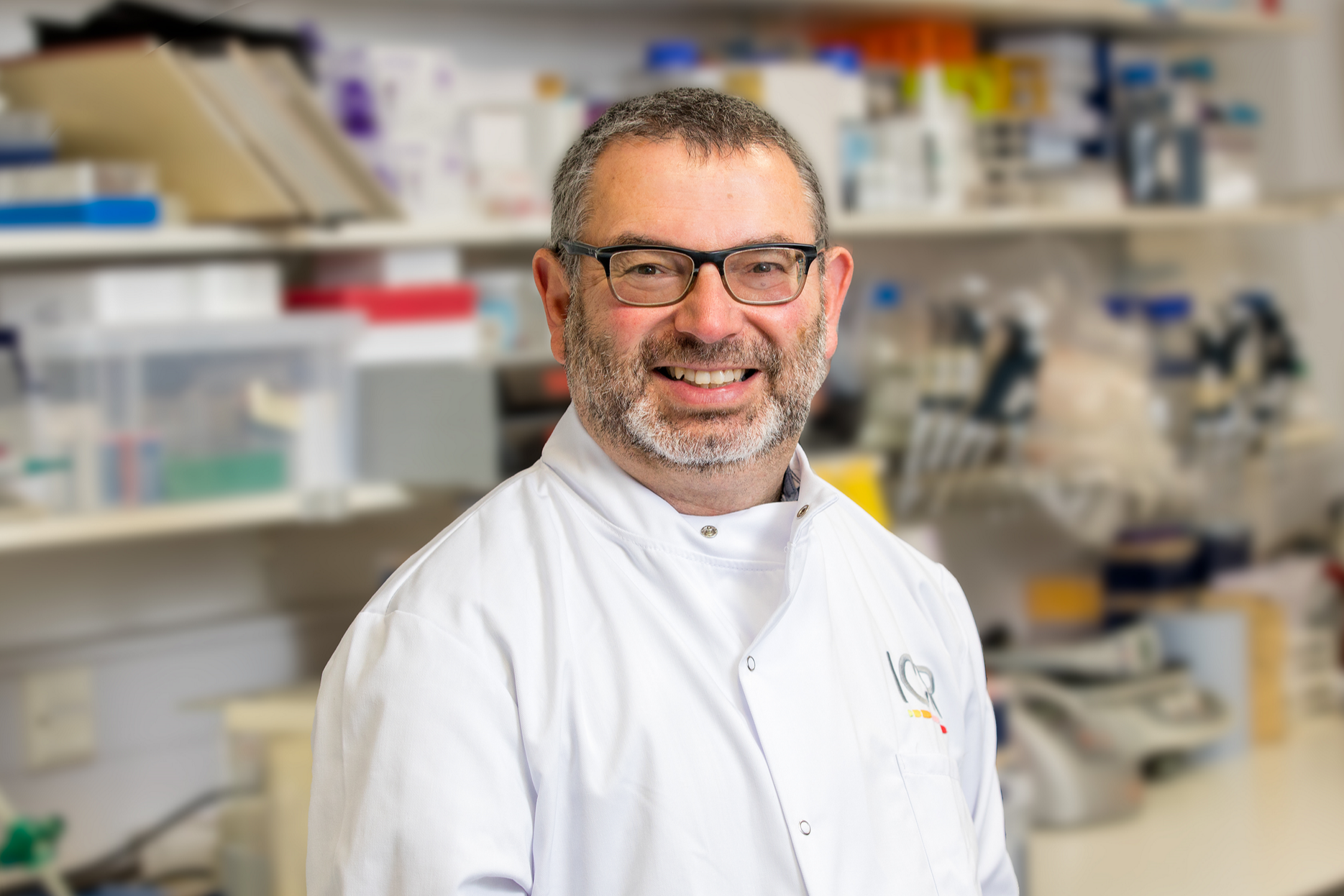
Principal Investigator: Prof. Alan Melcher
Centre: Institute of Cancer Research (ICR), London
Introduction
Under normal conditions, our immune system is very effective at finding and destroying tumour cells. However, sometimes these cells are able to evade and manipulate our defenses, which can lead to the development of a tumour.
Cancer immunotherapy emerged strongly just over a decade ago with a revolutionary approach to treating cancer: modifying, redirecting, or re-educating immune system cells so that they can reject tumours.
However, immunotherapy currently works only for a portion of patients. Unfortunately, there are still no effective methods to predict which patients will respond to immunotherapy treatments. It is also not clearly understood how to make patients who currently do not respond begin to do so—in other words, how to make immunotherapy more effective.
With these challenges in mind, and with the support of CRIS, the Centre for Translational Immunotherapy was created at the Institute of Cancer Research in London.
The Project
The Centre for Translational Immunotherapy is a structure designed to bring together experts in immunotherapy from the Institute of Cancer Research. This structure is closely linked with The Royal Marsden Hospital, so that discoveries and new treatments can benefit patients as quickly as possible.
Working alongside a hospital also promotes the exchange of information and biological samples, helping research progress much faster.
Among the objectives of the centre are:
To bring together all immunotherapy research at the ICR within a single structure.
To serve as a collaborative platform between different research groups, helping generate more ambitious and multidisciplinary projects.
To train the future leading researchers in immunotherapy.
To work together under a well-defined strategy to promote immunotherapy as one of the key approaches in the future of cancer treatment.
Currently, the centre focuses on three specific research objectives:
Designing better clinical trials for immunotherapy treatments, based on strong research findings generated by the centre’s investigators.
Advancing research on oncolytic virus therapies, a type of virus that attacks tumour cells and also triggers a strong immune response against the tumour.
Deeply investigating the potential of combining radiotherapy with immunotherapy, which is showing very promising results.
Recent Progress
Over the past year, the centre has taken an important step by evolving and changing its name. It is now called the Centre for Immunotherapy of Cancer (CIC). This change reflects the growing importance of the clinical side of the work, as ideas are now not only developed in the laboratory but also applied in studies with patients.
The centre has continued to grow and strengthen its structure. Currently, 20 group leaders and their teams are part of this collaborative framework, working closely with doctors at the hospital. Meetings are held every three months between the teams involved to share results and coordinate efforts.
The number of key research areas has also expanded. New lines of research include studying the evolution of cancer and how it influences the immune response, as well as collaborations with data science specialists to analyse clinical trial samples more precisely.
One of the centre’s major focuses remains the study of how the immune system behaves in patients receiving radiotherapy. Thanks to the structure supported by CRIS, the team is collaborating with hospitals in the United Kingdom and the United States to analyse how patients’ immune systems change after receiving different types of radiotherapy, and how this knowledgecan help design more effective treatments.
In addition, the centre is analysing samples from more than 200 patients with different types of cancer in order to better understand why some patients respond better than others to immunotherapy. These samples are being studied using advanced technologies to identify signals that could improve treatments.
An important part of becoming a leading research structure involves establishing alliances—both nationally and internationally—to share knowledge and accelerate progress.
Collaborations have already been established with researchers from the University of Oxford, including Dr. Sarah Blagden (also supported by CRIS), focusing on the development of mRNA vaccines to treat and prevent different types of cancer. Work is also underway to establish collaborations with research teams in Spain.
Another important partnership is with a Canadian research infrastructure called BioCanRX, which is performing highly complex techniques known as TCR sequencing. These techniques allow researchers to determine exactly which subgroups of certain immune cells (T lymphocytes) are generating an immune response. This helps identify which responses are most effective, understand variability between patients, and design better strategies to trigger powerful immune responses against tumours.
Thanks to this international network, new opportunities are opening up to investigate more types of cancer and implement new treatment approaches.
With the support of CRIS, the centre has also been able to attract public funding and investment from companies to develop new projects. This momentum has allowed research to progress more quickly and helped prepare new strategies so that more patients can benefit from immunotherapy.
Prof. Alan Melcher
-
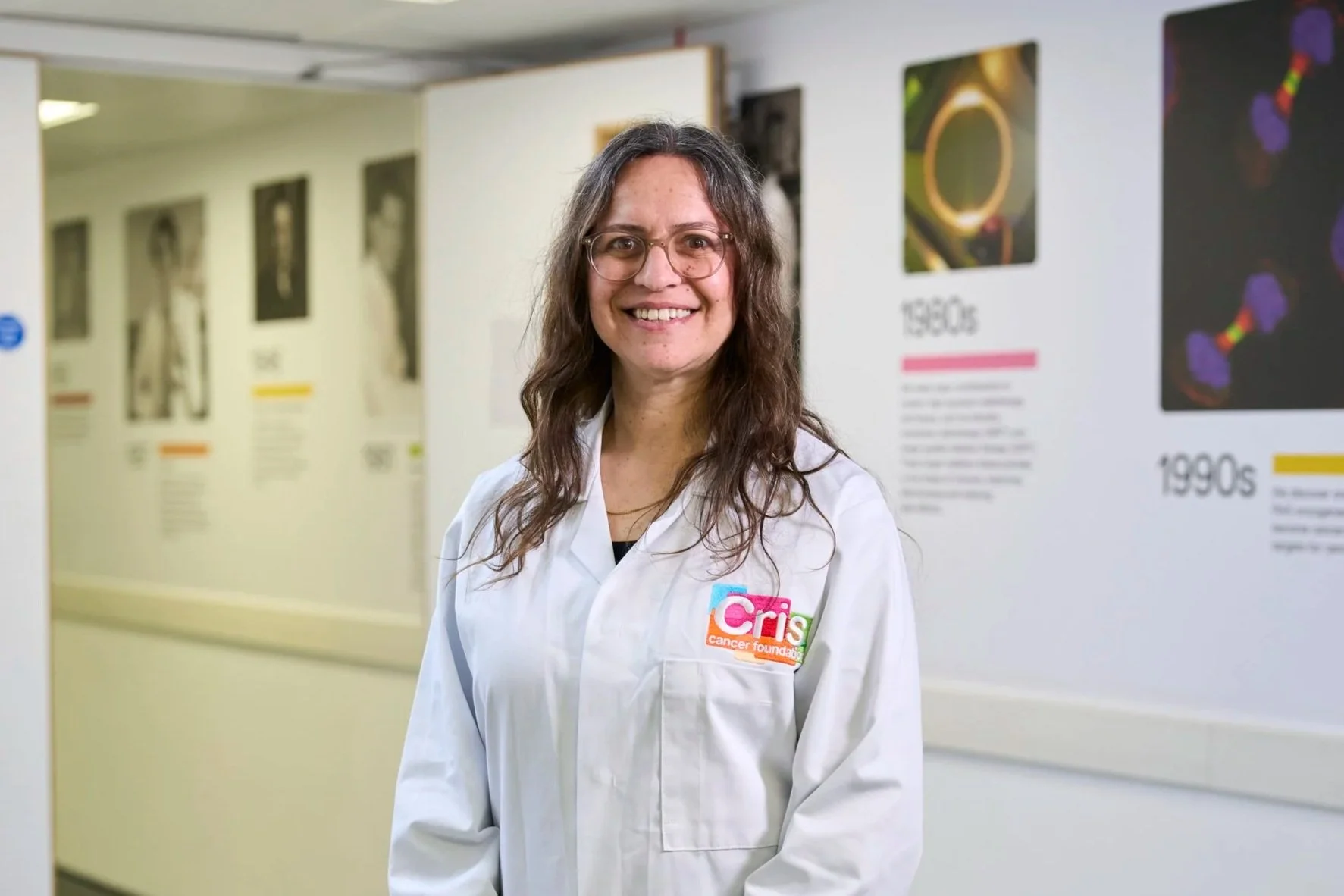
Principal Investigator: Dr Astero Klampatsa
Centre: Institute of Cancer Research, London
Introduction
Mesothelioma is a type of thoracic tumour that develops in the cells lining several organs within the chest cavity, known as the mesothelium. It is now well established that one of its main causes is exposure to asbestos, a material that was widely used in construction and industry for decades. Although asbestos may seem like a problem of the past, many middle-aged and older individuals were exposed to it for prolonged periods during their lives. In fact, around 3,500 people are diagnosed with mesothelioma each year in the United Kingdom.
Asbestos use remains widespread in some developing countries, meaning large populations may still be exposed to this hazardous material. Mesothelioma is therefore an important and growing public health issue. Biologically, inhaled asbestos fibres are not eliminated from the body. They remain in the pleura for years, causing chronic inflammation, progressive DNA damage, and eventually tumour development.
Dr Klampatsa has spent many years developing new immunotherapy-based treatments to combat these tumours through ambitious and highly innovative approaches.
The project
Dr Klampatsa’s group works along two main research lines:
CAR-T Cells to Combat Thoracic Tumours:
CAR-T cells are T lymphocytes, a type of immune cell that efficiently destroys malignant cells, which are genetically engineered to express a receptor that functions like a radar. This receptor targets a molecule known to be present specifically on tumour cells. In this way, CAR-T cells can detect and destroy cancer. Over the years, several generations of CAR-T cells have been developed, with very strong results in blood cancer.
However, in solid tumours such as mesothelioma, the tumour microenvironment appears capable of progressively inactivating CAR-T cells and limiting their effectiveness.
Fourth-generation CAR-T cells, also known as TRUCKs, not only include the tumour-targeting receptor but also release signalling molecules that recruit additional immune cells or modify the tumour microenvironment to prevent CAR-T inhibition. In addition to their direct anti-tumour activity, they help generate a stronger and more effective immune response against the tumour.
Dr Klampatsa’s group is focusing on developing TRUCKs directed against mesothelioma cells that can also modify the tumour microenvironment. The goal is to improve tumour rejection and ultimately translate these developments into clinical trials once validated.
Inmunoterapia sobre Immune Checkpoints:
The second research line focuses on another form of immunotherapy targeting molecular switches on T lymphocytes known as immune checkpoints. Although T cells are highly efficient at killing tumour cells, cancer cells can sometimes activate these checkpoints and switch off the immune response. Fortunately, antibody-based immunotherapies exist that can restore T cell activity.
However, this approach does not work for all patients. It is estimated that only 40 to 50 percent of patients respond to immune checkpoint therapy. Therefore, it is essential to identify and select patients who are likely to benefit and administer treatment only to those who are expected to respond.
To identify potential biomarkers that could predict response, Dr Klampatsa’s group will conduct in-depth studies of samples from a large number of mesothelioma patients across several hospitals. These samples will be collected at the time of diagnosis and again after patients receive immune checkpoint immunotherapy. This approach will allow researchers to analysechanges in tumour tissue, immune cell populations, and the tumour microenvironment in both responders and non-responders.
These data will be critical for understanding what distinguishes patients who benefit from treatment from those who do not. The ultimate aim is to develop diagnostic tools capable of predicting which patients are most likely to respond effectively to immune checkpoint therapies.
Recent Progress
CAR-T Cells to Combat Thoracic Tumours:
Dr Klampatsa’s team continues to make significant progress in developing CAR-T therapies tailored to the particularly hostile environment of mesothelioma. Their objective is to engineer CAR-T cells that not only recognise and attack tumour cells but also modify the immunosuppressive environment that protects the tumour.
The first step was to confirm that mesothelioma cells release high levels of TGF-β, a molecule that suppresses immune activity and promotes tumour growth. Based on this finding, the team designed a CAR-T cell that targets cancer-associated fibroblasts and simultaneously releases a small molecule known as the P144 peptide, which inhibits TGF-β. In practical terms, thiscreates a dual-action CAR-T cell that disrupts tumour support structures while neutralising a key chemical defence mechanism.
These engineered cells were first tested in laboratory cultures and then in animal models. The results have been encouraging. The peptide-enhanced CAR-T cells showed increased activation of immune cells that attack tumours and reduced levels of cells that normally suppress immune responses. Although the treatment did not completely eliminate tumours, it slowed theirgrowth and reshaped the tumour environment into a state more favourable for immune activity.
In parallel, the team developed a second strategy aimed at promoting a longer-lasting and more active functional state in CAR-T cells, potentially improving their persistence within tumours. These modified cells were tested in three-dimensional models that replicate the real tumour environment and demonstrated good effectiveness against tumour cells. While they do not yetclearly outperform conventional CAR-T cells, they generate a strong immune response that can be further refined to enhance therapeutic impact.
Both strategies are still under development and may represent important steps toward more effective immunological therapies for mesothelioma patients.
Inmunoterapia sobre Immune Checkpoints:
Alongside the CAR-T programme, Dr Klampatsa’s team is investigating how the immune system functions in patients with mesothelioma and why only a proportion respond to immunotherapy.
They have collected blood and tumour samples from 50 patients, a remarkable achievement given the difficulty of obtaining mesothelioma samples. Through detailed molecular and immune profiling, the team has identified important differences between patients. Some display a more active immune response within the tumour, while others show highly suppressed immuneactivity. Key immune cells such as T cells and natural killer cells are often found to be exhausted or inhibited.
One of the most significant observations is that certain immune characteristics appear to correlate with response to treatment. These features may help predict which patients are likely to benefit from immune checkpoint therapy and which are not.
This research is particularly valuable because it directly compares blood and tumour samples from the same patient, an approach not previously undertaken in mesothelioma. Although further analysis is ongoing, this line of research has the potential to lead to more personalised and more effective treatments in the future.
Dr Astero Klampatsa
-
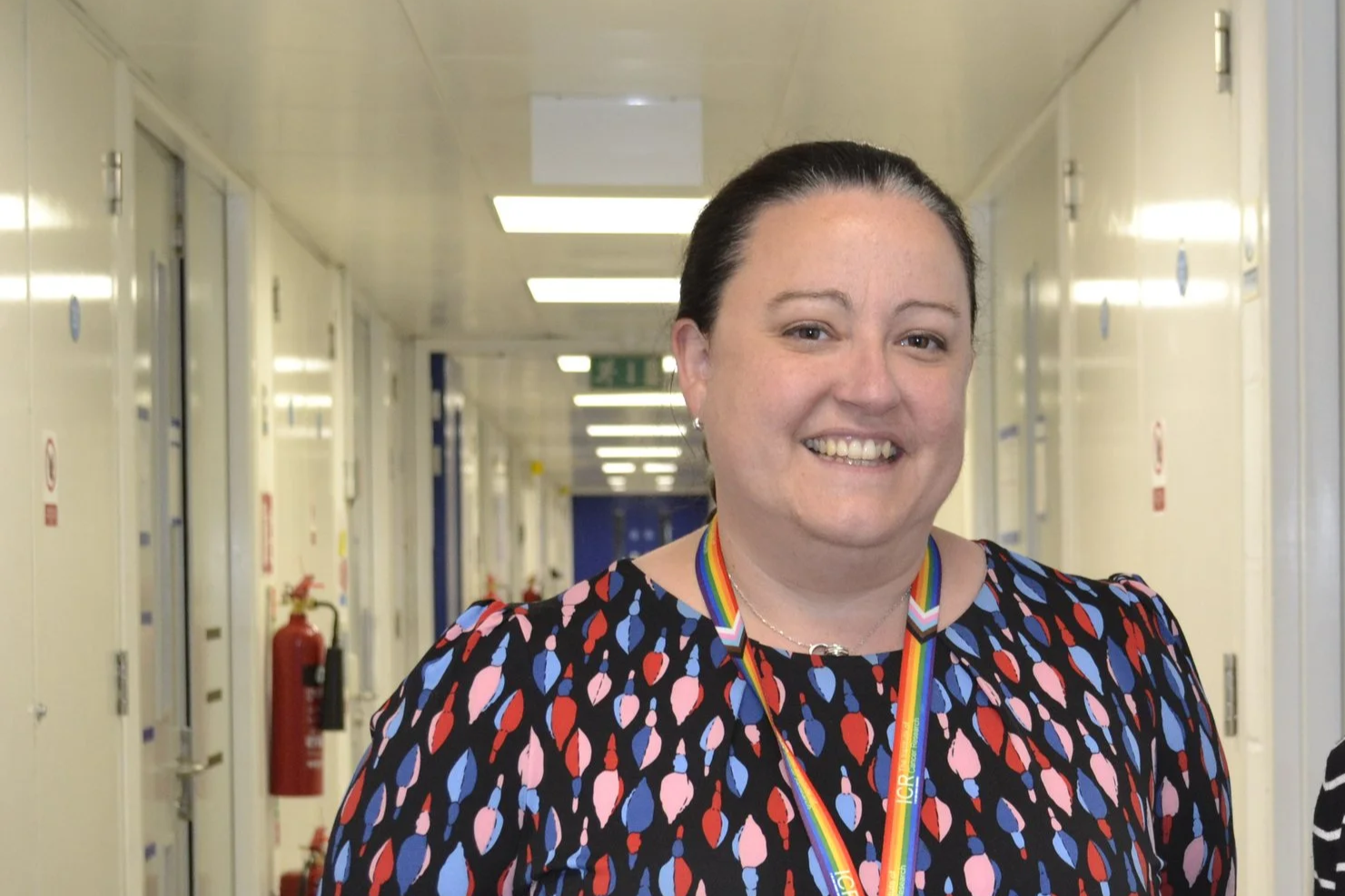
Principal Investigator: Dr Charlotte Pawlyn
Centre: Institute of Cancer Research, London
Introduction
Multiple myeloma is a type of cancer that originates in the bone marrow from cells known as plasma cells. Under normal conditions, these cells produce antibodies and protect us from infections. In multiple myeloma, however, they behave abnormally and multiply uncontrollably.
Although it is relatively uncommon, there are approximately 3,000 new cases each year in Spain and around 5,700 in the United Kingdom. The main challenge with this disease is that there are currently no highly effective curative treatments. Most available therapies are designed to keep the disease under control. Even so, thanks to research advances, life expectancy formyeloma patients has doubled over the past decade.
Among the most commonly used treatments are immunomodulatory drugs, also known as IMiDs, such as lenalidomide and thalidomide. These compounds are used to maintain disease control after initial treatment. They are particularly interesting drugs because they both eliminate emerging myeloma cells and enhance the immune response against the tumour.
However, not all patients respond to these treatments. Even among those who initially respond, tumours often become resistant over time. For this reason, it is essential to investigate how resistance develops and how it can be overcome.
The Project
The aim of this project is to study the mechanisms of resistance to IMiDs through two main research approaches.
First, studies are being conducted using myeloma-derived cell lines. Some of these cell lines are sensitive to IMiDs, while others are resistant. In addition, previously sensitive cell lines have been exposed to IMiDs over a prolonged period until they became resistant. This allows researchers to compare molecular characteristics and genetic changes across these different celllines, identifying the internal alterations that drive resistance.
This research is important because it:
• Enables the testing of new compounds in resistant myeloma cells, identifying effective treatments that can later be studied in animal models.
• Helps identify strategies to restore IMiD sensitivity in resistant cells.
• Reveals previously unknown mechanisms of resistance.The second part of the project involves studying samples from myeloma patients treated with IMiDs. Researchers are comparing patients who have not developed resistance with those who have. They are carrying out in-depth analyses of proteins, the genome, and other biological factors to understand which pathways are involved in resistance development.
A key aspect of this work is the analysis of patient samples collected before treatment began. This will help identify predictive markers that indicate which patients are more likely to develop resistance to IMiDs.
The ultimate goal is to define a resistance profile for myeloma patients and to develop effective therapeutic strategies tailored to them.
Recent Progress
The aim of this project is to study the mechanisms of resistance to IMiDs through two main research approaches.
First, studies are being conducted using myeloma-derived cell lines. Some of these cell lines are sensitive to IMiDs, while others are resistant. In addition, previously sensitive cell lines have been exposed to IMiDs over a prolonged period until they became resistant. This allows researchers to compare molecular characteristics and genetic changes across these different celllines, identifying the internal alterations that drive resistance.
This research is important because it:
• Enables the testing of new compounds in resistant myeloma cells, identifying effective treatments that can later be studied in animal models.
• Helps identify strategies to restore IMiD sensitivity in resistant cells.
• Reveals previously unknown mechanisms of resistance.The second part of the project involves studying samples from myeloma patients treated with IMiDs. Researchers are comparing patients who have not developed resistance with those who have. They are carrying out in-depth analyses of proteins, the genome, and other biological factors to understand which pathways are involved in resistance development.
A key aspect of this work is the analysis of patient samples collected before treatment began. This will help identify predictive markers that indicate which patients are more likely to develop resistance to IMiDs.
The ultimate goal is to define a resistance profile for myeloma patients and to develop effective therapeutic strategies tailored to them.
Recent Progress
To investigate how myeloma cells become resistant, Dr Pawlyn’s team has developed 14 cell lines resistant to different IMiD treatments. They have initiated extensive molecular analyses to understand which mechanisms are altered when cells lose drug sensitivity.
One of the most significant findings so far highlights the protein Cereblon as a key factor. In cells that respond well to treatment, Cereblon levels decrease following IMiD exposure, triggering cell death mechanisms. In resistant cells, this does not occur. Dr Pawlyn and her team are investigating how and why certain tumour cells lose the ability to reduce Cereblon levels, whichmay explain part of the resistance process.
Different types of Cereblon mutations have also been identified, with very distinct effects. Some mutations completely block the action of IMiDs, while others do not impair their function. Importantly, some mutations prevent traditional IMiDs from working but do not affect newer-generation drugs known as CELMoDs. This makes it possible to identify patients who may benefitfrom next-generation therapies even if they no longer respond to earlier treatments. These results have recently been published in the journal Blood, one of the most prestigious scientific publications in the field of haematology.
Another important discovery is that not all myelomas develop resistance in the same way. In some cases, cells become resistant over time. In others, they are resistant from the outset. The team has found that these intrinsically resistant cells may have defects in programmed cell death pathways, a critical mechanism that prevents the accumulation of harmful cells.
In laboratory models, researchers have successfully reversed this resistance by combining IMiDs with an additional drug, reactivating cell death in tumour cells. This work is currently under review for publication in a high-impact scientific journal.
The team is now applying this combination approach to cells that develop resistance progressively, and early results are very promising.
In parallel, the group is conducting an innovative proteomic analysis using real patient samples. This research examines which proteins are degraded in cells exposed or not exposed to IMiDs. Few research groups worldwide have developed this type of analysis. It allows scientists to directly observe what is failing in cellular degradation processes.
The aim is to correlate these findings with patients’ clinical status and, in the long term, identify which proteins need to be targeted to restore treatment sensitivity.
To achieve this, the team is optimising protocols to work with the smallest possible number of cells, increasing clinical applicability. This information may also support the development of new targeted therapies such as PROTACs, drugs designed to selectively degrade key proteins that prevent treatments from working.
Dr Charlotte Pawlyn
-
Researcher: Dr Kathy Chung
Institution: Institute of Cancer Research (United Kingdom)
Context
Advanced prostate cancer, particularly when it no longer responds to standard treatments, remains a major cause of male mortality. There are highly innovative drugs, known as radiotracers, that can deliver radiotherapy directly to the tumor; however, not all patients respond to these treatments.The Problem:
Current radiotracer-based treatments have limitations when tumors hide the signals that these drugs are designed to target. In addition, it is not yet understood how to activate the immune system to achieve a stronger and more durable response.The Project:
Dr. Chan has developed a new molecule (KK02) capable of delivering different types of radiation directly to tumor cells that express PARP, a protein commonly found in these cancers. Her project will evaluate which combination of radionuclide and molecule is most effective at damaging tumor DNA, activating anti-tumor immunity, and achieving improved responses. It will also explore how to combine this treatment with immunotherapy. The ultimate goal is to develop a more powerful, personalised therapy, even for resistant tumours or those with limited current treatment options.
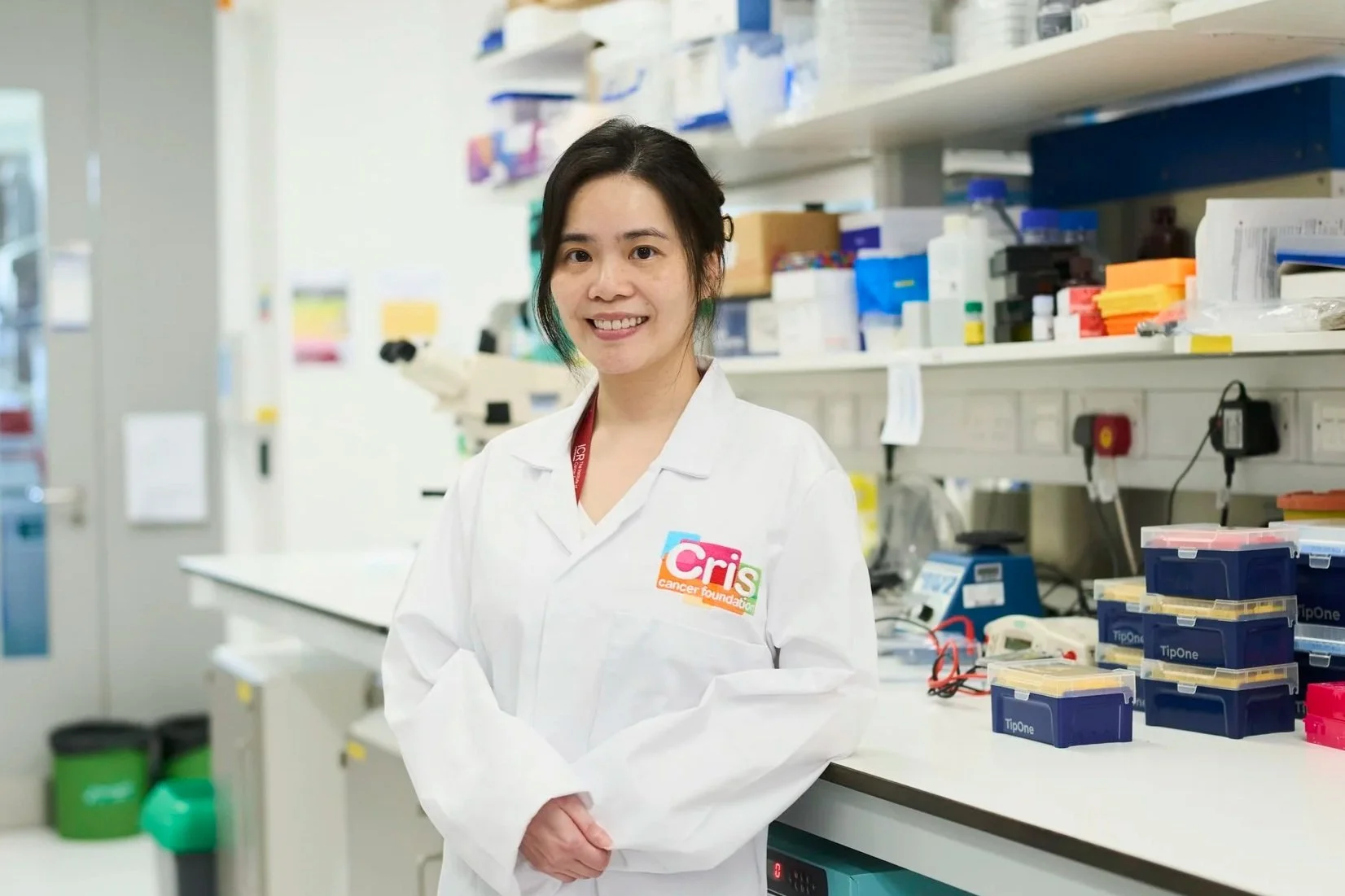
Dr Kathy Chung
-
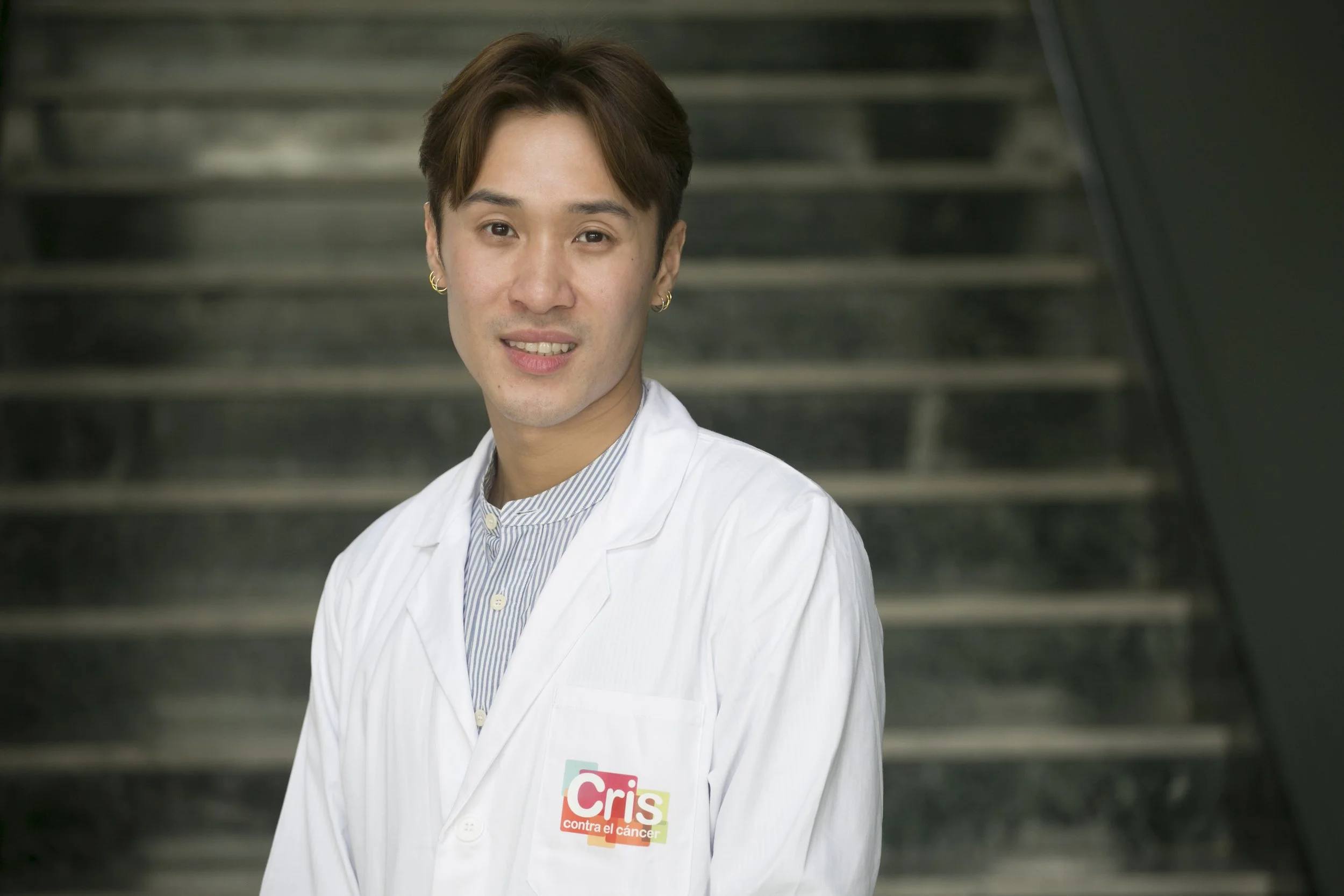
Researcher: Dr Jacky Leung
Centre: Institute of Cancer Research, London
Introduction
Prostate cancer that is resistant to hormone therapies represents a complex challenge for doctors and researchers. Although some treatments can slow tumor growth for a time, resistance almost always eventually develops, the cancer begins to grow again, and there are few therapeutic options left for patients.
One of the defining features of these advanced tumors is cellular stress: they exist under intense pressure. They grow rapidly, consume large amounts of energy, and operate in a hostile environment. Under these conditions, cells generate large quantities of specific molecules known as reactive oxygen species (ROS). These molecules can modify proteins and alter their function. In prostate cancer, one of the key proteins involved in this process is the androgen receptor (male hormones), which is also the main driver of the disease, even in treatment-resistant stages.
Understanding how these chemical changes influence the behavior of the androgen receptor is essential to explain why the tumor adapts and survives, as well as to open new avenues for diagnosis and treatment.
The Project
This project, led by Dr. Jacky Leung at the Institute of Cancer Research (ICR), aims to decipher how oxidative stress modifies the androgen receptor and contributes to therapy resistance in advanced prostate cancer.
To address these questions, the project will use advanced technology that allows precise identification of which parts of the androgen receptor (and other key proteins) are altered by oxidative stress. Based on this information, researchers will study how these changes affect the receptor’s structure, its function, and ultimately the survival of tumor cells.
A key element of the project is its international and multidisciplinary approach, with collaborations involving two leading research centers in Barcelona. On one hand, at IRB Barcelona, the most flexible and dynamic region of the androgen receptor—particularly sensitive to chemical changes—will be studied using nuclear magnetic resonance techniques. On the other hand, at the University of Barcelona, the focus will be on more structured regions of the receptor, analyzing how oxidation affects its interaction with other proteins essential for tumor activation.
The combination of these approaches will provide a comprehensive view of how cellular stress affects the androgen receptor, from its structure to its function. In the long term, this knowledge will lay the foundation for developing new therapeutic strategies targeting resistant tumors, contributing to more precise and personalized medicine for patients with advanced prostate cancer.
Dr Jacky Leung
Oxford University

CRIS Cancer supports cancer research at the University of Oxford, advancing innovative approaches that connect scientific discovery with clinical care. This work focuses on developing new strategies for cancer diagnosis and treatment, with the aim of improving outcomes for patients.
-
Principal Investigator: Dr Sarah Blagden
Institution: University of Oxford, Oxford
Introduction
Therapeutic vaccines are a concept that researchers have been working on for many years. Although the term vaccines usually brings to mind the prevention of disease, preventing cancer through vaccination is extremely challenging. For this reason, most cancer vaccines developed so far have focused on treatment.
Tumors can only grow if the immune system fails to detect them or if the tumor manages to manipulate the immune response. The aim of these vaccines is therefore to enable our immune defenses to recognize and destroy tumor cells.
To achieve this, researchers can introduce elements that are characteristic of tumor cells—such as tumor proteins, fragments of tumor cells, or dead tumor cells—together with molecules that act as alarm signals for the immune system. In this way, the immune system perceives a threat and attacks anything resembling what has just been introduced, including the tumor itself.
Another option is not to introduce tumor components directly, but rather instructions that allow the patient’s own cells to temporarily produce a protein that is characteristic of the tumor. This protein then triggers an immune response. This approach is relatively easy to implement using messenger RNA (mRNA) technology—the same technology used in the Moderna and Pfizer COVID-19 vaccines—or by using harmless viruses to deliver these instructions into the body’s cells, as in the Oxford/AstraZeneca vaccine.
However, to do this effectively, it is essential to have a very detailed understanding of the tumor and the proteins that distinguish it from healthy cells. Otherwise, there is a risk that the immune system could attack healthy tissues. Until recently, studying tumors at such depth required expensive and complex technologies. Moreover, designing cancer vaccines tailored to eachpatient’s tumor would have been extremely costly.
Today, however, several favorable developments are creating a promising future for cancer vaccines. On the one hand, vaccine development has advanced enormously during the COVID-19 pandemic. On the other hand, sequencing technologies and molecular analysis techniques are now far more precise, significantly cheaper, and increasingly widely used. It is thereforemuch easier to analyze patients’ tumors and identify their specific characteristics.
As a result, we are now at a particularly exciting moment. It is becoming feasible to design therapeutic vaccines for patients with many different types of tumors. But we can go even further: if we understand well the tumors that patients have previously developed, we can design vaccines for people who have already had cancer so that their immune systems can preventrelapse or the development of new tumors.
The Project
CRIS Cancer Foundation has partnered with the University of Oxford and Oxford Cancer—a consortium that brings together all cancer research centers in Oxford—to carry out the necessary experiments and launch a clinical trial for lung cancer patients.
The participants in this trial were diagnosed with lung cancer at an early stage and have already undergone surgery to remove the tumor. However, they remain at high risk of relapse or of developing new lung tumors. In this Phase I/II trial, researchers will investigate whether vaccines targeting their type of lung cancer can prevent recurrence.
As part of the preparatory work, tumor samples from 8,000 patients with early-stage lung cancer were analyzed. Researchers carried out a series of genetic analyses to identify 50 genes that are commonly altered in these tumors. From this list, 21 genes were selected, and two additional genes frequently found in lung cancer were added. Based on this information, a vaccinewas designed that could potentially cover up to 96% of tumors in patients with this type of disease.
Before administering the vaccine to patients, researchers conducted extensive laboratory studies to test its effectiveness. These experiments showed that when the vaccine was introduced into animal models, the immune system became activated and the typical immune cells associated with a successful vaccine response appeared.
The promising results have made it possible to begin the first steps of a clinical trial. In this study, 40 participants will receive the vaccine. These include people who have previously had lung cancer—who therefore have a higher risk of relapse or developing a new lung tumor—as well as individuals who are heavy smokers.
The vaccine platform is similar to some of those used during the COVID-19 pandemic. It uses a harmless virus (ChAdOx) that delivers instructions to the body’s cells so that they can produce the vaccine components. This is a Phase I/II clinical trial, which means that researchers will evaluate both the safety and the effectiveness of the treatment.
Thanks to the support of CRIS, the first 1,000 doses of this vaccine have already been produced, which could potentially treat 500 patients. CRIS played a crucial role by supporting the project at a strategic moment and preventing a two-year delay in the launch of the clinical trial. This support has been essential in positioning the study as one of the first international clinicaltrials exploring preventive personalized cancer vaccines.
This type of trial is extremely important. On the one hand, it represents another step toward the personalization of cancer therapies. On the other, it moves us forward in an area that once seemed almost unimaginable: the prevention of cancer through vaccines.
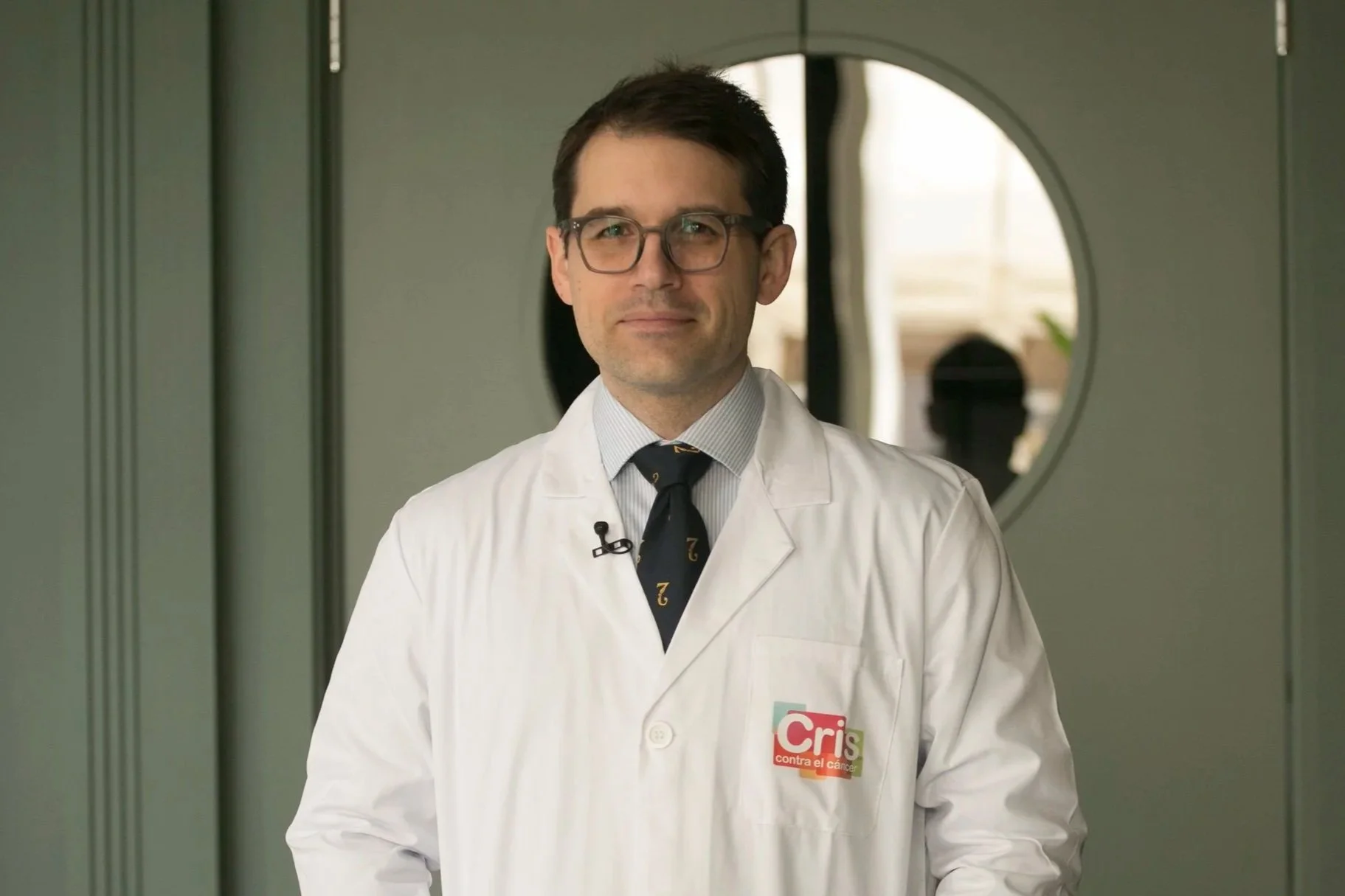
Dr Sarah Blagden
-
Fellow: Dimitrios Doultsinos
Centre: University of Oxford, UK
Introduction
Prostate cancer is one of the most common tumors in men and, although many patients respond well to initial treatment, some tumors learn to adapt and eventually become resistant. This process is not immediate: it is the result of a gradual evolution of the tumor, driven by the stress it undergoes during treatment.
Prostate cancer cells function like true factories that continuously produce proteins in order to grow and multiply. When this production becomes unregulated and the factory is subjected to excessive stress, proteins begin to malfunction and the tumor cell may die. To prevent this, the tumor activates internal control mechanisms that help it survive.
One of these mechanisms is IRE1, a protein that naturally acts as a factory supervisor, detecting stress and helping the cell maintain balance. In the early stages of the disease, this system allows cells to adapt and continue functioning. However, as the cancer progresses, some cells learn to do without this supervisor, which has important consequences: the tumor’s identitychanges, its aggressiveness increases, and it becomes much more resistant to current treatments.
Understanding this change is key to anticipating the evolution of prostate cancer and designing new therapeutic strategies.
The Project
This project, led by Dr. Dimitrios Doultsinos at the University of Oxford, investigates how modulation of the protein IRE1—one of the supervisors of cellular stress—can be used to slow the progression toward more aggressive and treatment-resistant forms of prostate cancer. The main hypothesis is that IRE1 not only responds to cellular stress but also defines the type oftumor cell and its sensitivity to treatment.
The project is based on a key finding: IRE1 activity can be used as a molecular fingerprint of the tumor’s state, reflecting whether it is in an early, treatment-sensitive phase or in an advanced, resistant phase. Using large clinical datasets and advanced experimental models, the team has developed a gene signature of IRE1 activity—a kind of molecular pattern that reflectsIRE1 function—which would allow tracking the evolution of prostate cancer over time and predicting its behavior.
Unlike other approaches that aim to completely block this pathway, the project proposes a more refined strategy: modulating IRE1 activity to influence tumor cell identity and reduce their capacity to adapt. In cell models, organoids (3D cultures), and patient-derived samples, researchers are studying how adjusting this pathway can push cells toward states that are more vulnerable to treatment.
In addition, the project combines cutting-edge technologies, such as single-cell analysis and spatial tissue profiling, to understand not only what tumor cells do, but also how they interact with their environment during disease progression. This comprehensive approach will help identify which patients are most likely to benefit from combination therapies that include IRE1 modulation as a potential additional treatment.
Overall, this project aims to anticipate resistance before it emerges, improve patient stratification, and lay the groundwork for new therapeutic combinations that slow the progression of advanced prostate cancer and improve patients’ quality of life.

Dr Dimitrios Doultsinos
-
Principal Investigator: Dr Robert Watson
Institution: University of Oxford, Oxford
Introduction
Immunotherapy treatments, despite having changed the way we understand and treat cancer, still have some limitations: they do not work for all patients, they can sometimes cause significant side effects, and it is difficult to predict who will benefit most from them.
Throughout his career, Dr. Watson has made important contributions to identifying factors that help us better predict patients’ responses to therapies and choose the treatments that will work best for them.
The Project
Among his advances, a recent study published in the journal Nature Medicine stands out. In this study, researchers analyzed nearly 400 patients with metastatic melanoma treated with certain types of immunotherapy and discovered that those with a prior infection by cytomegalovirus (CMV), a common and usually harmless virus, showed greater survival and better response to treatment, fewer severe side effects, and an immune system better prepared to fight cancer.
Cytomegalovirus appears to activate and maintain a special group of so-called T cells, immune system cells that are essential in the fight against cancer. These patients showed a more effective and controlled immune response, which allowed them not only to attack melanoma more effectively, but also to reduce the adverse effects of immunotherapy.
This finding could, in the future, change the way melanoma and other types of cancer are treated. If cytomegalovirus helps improve the immune response, scientists may be able to design new therapeutic strategies based on it.
In addition, it is possible that similar situations may also occur in many other types of cancer, opening many new paths in cancer research. Although more research is still needed, this study offers a new perspective on how viral infections can influence the progression of cancer.
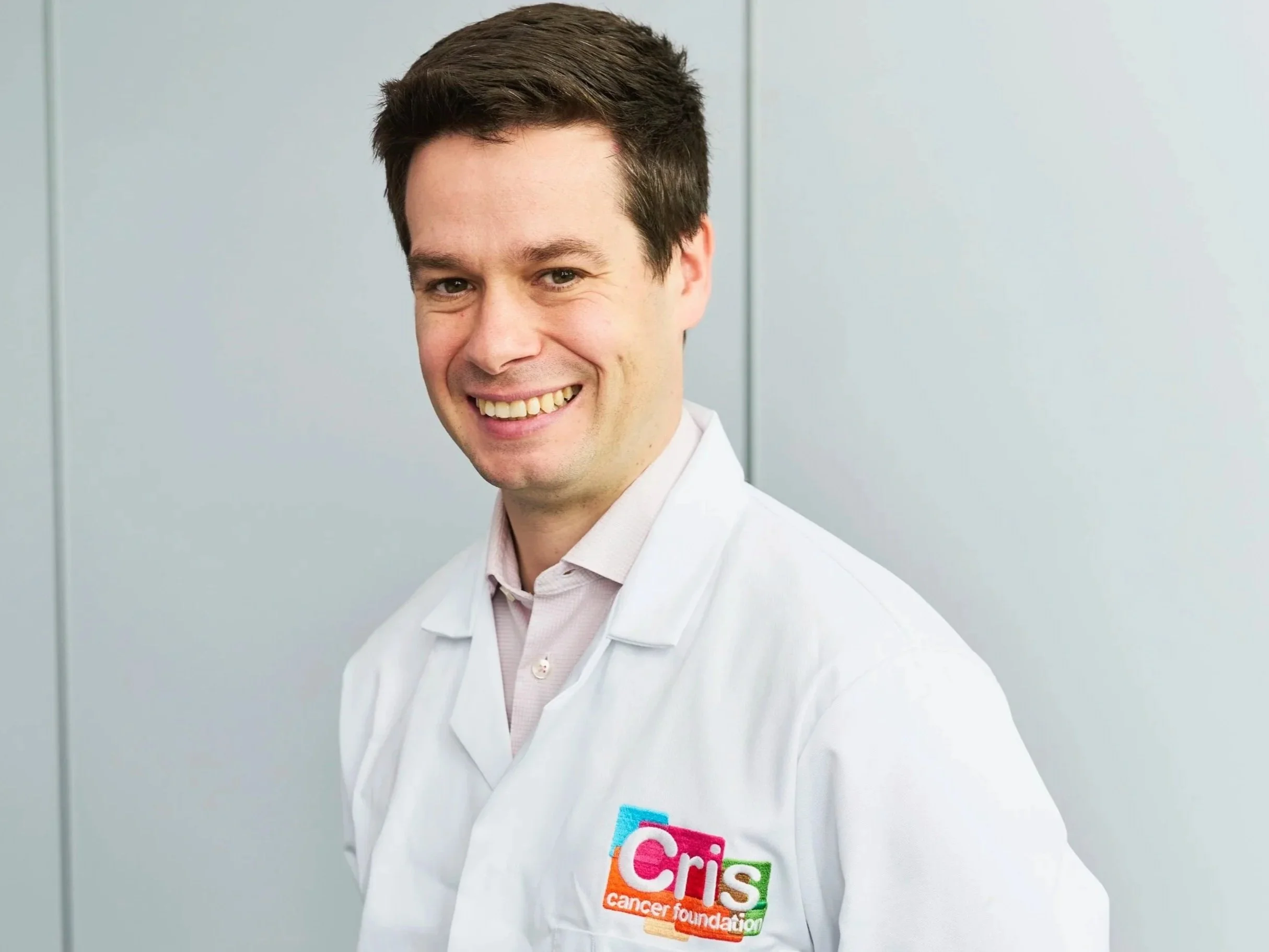
Dr Robert Watson
Queen's University Belfast
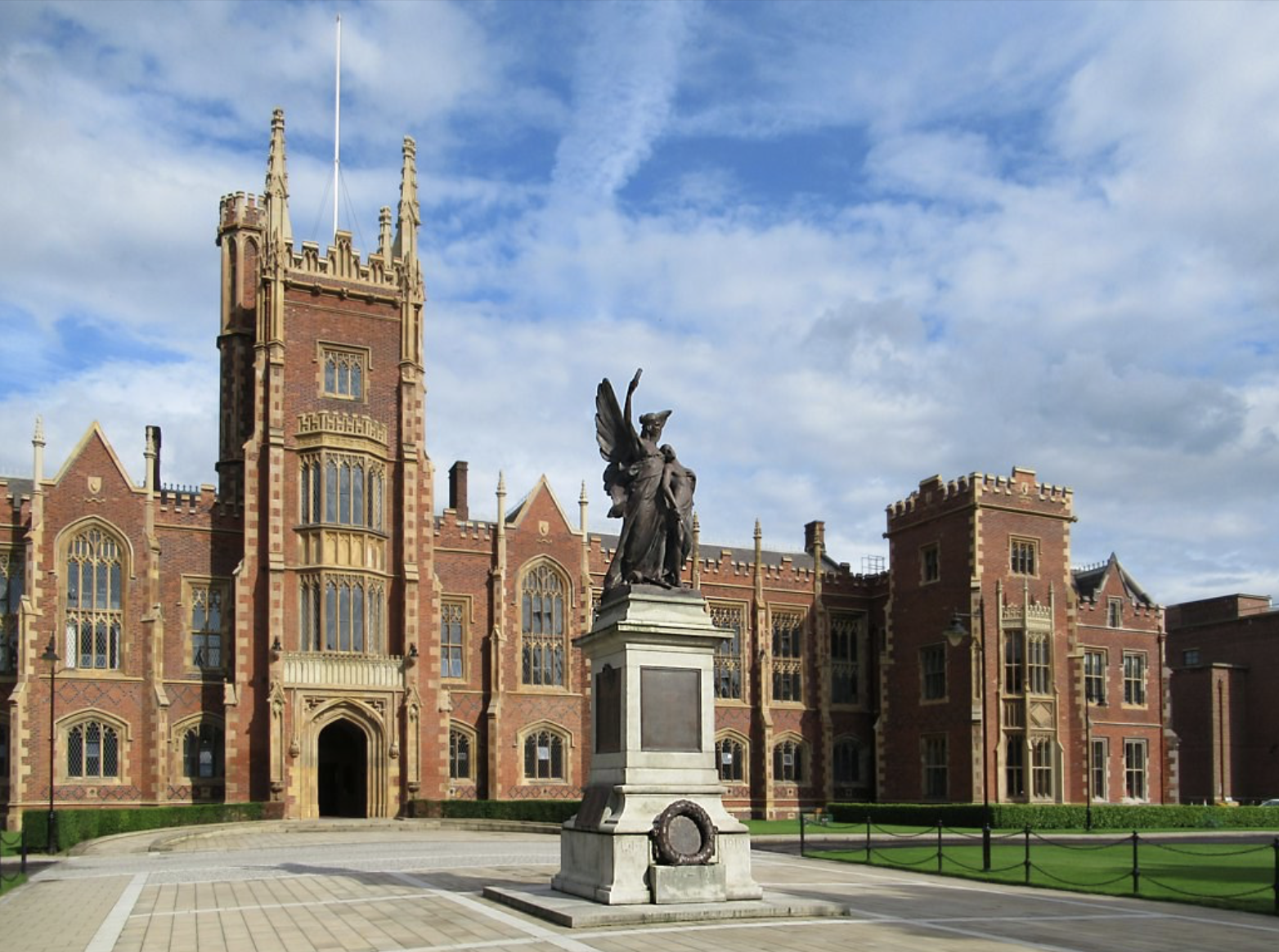
Queen’s University Belfast (QUB) is a leading centre for cancer research, based at the Patrick G Johnston Centre for Cancer Research. Its work focuses on understanding the biology of adult cancers, including how they grow, spread, and become resistant to treatment.
Through this collaboration, research at QUB is advancing innovative therapies and new approaches to personalised care, with the aim of improving outcomes for patients with hard-to-treat cancers.
-
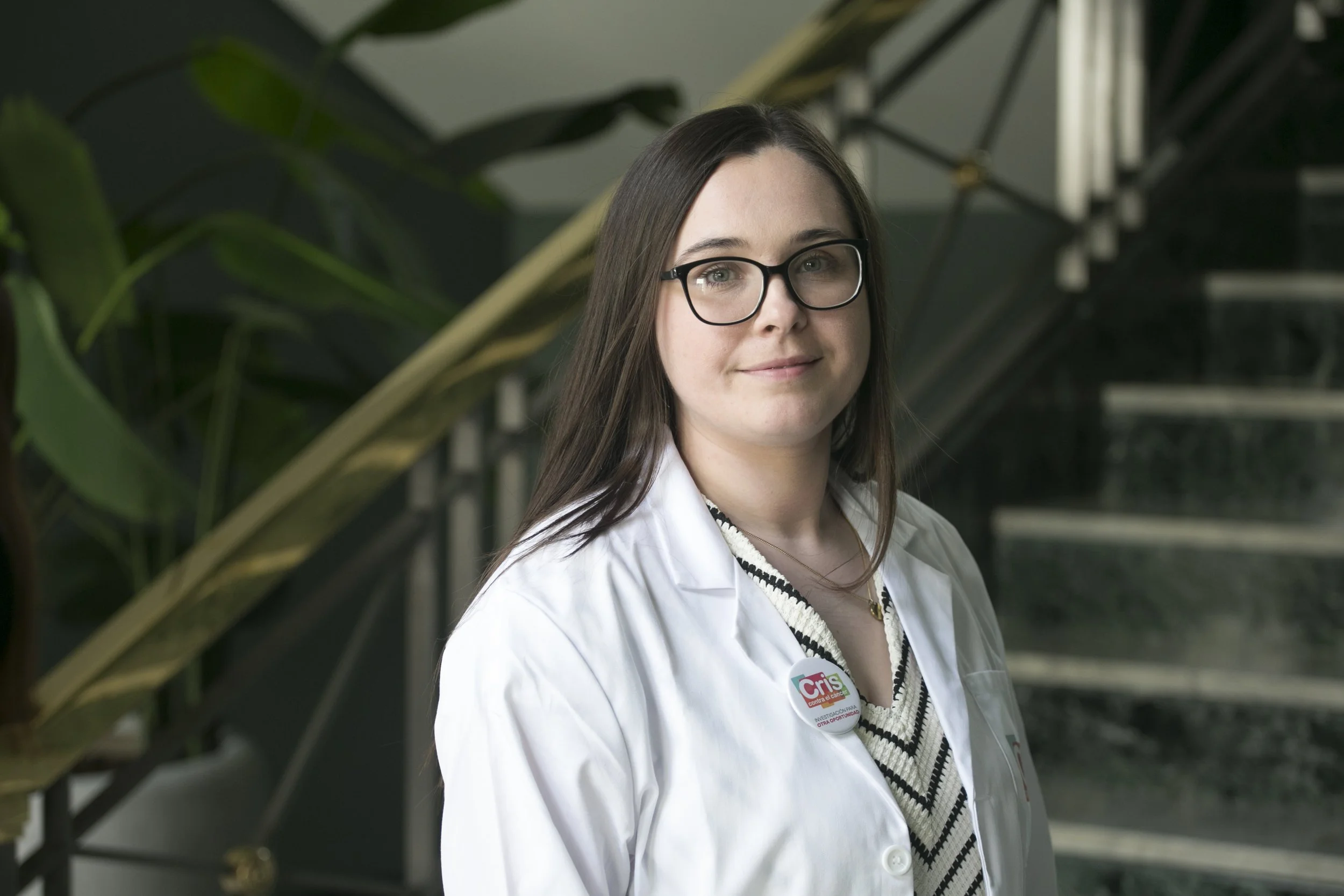
Principal Investigator: Dr Niamh McKerr
Institution: Queen’s University Belfast (QUB), Northern Ireland
Introduction
Some prostate cancers stop responding to treatment over time. This happens because tumor cells are not all the same: while many die with therapy, others adapt, change their behavior, and eventually drive tumor growth again.
One of the keys to this adaptation appears to lie in calcium, a fundamental signal for cell function. Calcium acts as an internal switch that controls essential processes such as growth, survival, and cellular identity. In more resistant prostate tumors, certain cells use calcium-related pathways to survive and evade the effects of treatment.
Understanding how this process occurs is essential to anticipate resistance and find new ways to slow disease progression.
The Project
Dr. Niamh McKerr is investigating how calcium helps some prostate cancer cells survive treatment. Specifically, the research focuses on structures within cells—calcium channels—that act as gateways allowing this mineral to enter the cell, and which are activated in very specific groups of treatment-resistant tumor cells.
Initial results indicate that these calcium gateways appear more frequently in certain types of prostate cancer and become especially active during treatment, precisely when the tumor begins to adapt. This suggests that these cells use calcium as an escape route to continue growing.
The project will study the role of these resistant cells and what happens when calcium entry is blocked using certain drugs, such as those used to treat hypertension, which is also linked to calcium function in cells. The goal is to determine whether these medications can weaken the most resistant cells, slow tumor growth, and delay disease progression.
In addition, the study will analyze patient data to assess whether individuals with prostate cancer who receive these drugs alongside standard treatment have better clinical outcomes. This could enable the repurposing of already well-known and safe medications to open up new therapeutic options more quickly.
The project includes an international collaboration with the University of Lille, a world-leading center in the study of calcium channels, which will make it possible to analyze tumor cells individually and understand with great precision how these pathways contribute to treatment resistance.
Overall, this research aims to identify a new vulnerability in resistant prostate cancer, with the ultimate goal of improving treatment options and the quality of life for patients.
Dr Niamh McKerr