
OTHER COUNTRIES:
In addition to our activities in the United Kingdom, Spain and France, CRIS Cancer Foundation supports research projects and initiatives in other countries through international partnerships and collaborative programmes.
This section includes both adult and paediatric research projects taking place outside Spain, France and the United Kingdom, reflecting our commitment to supporting excellence in cancer research wherever it has the potential to make a meaningful impact for patients.
CRIS Cancer Project for Targeted Therapies in Bladder Cancer
Principal Researcher: Dr Iris Adriana María Lodewijk
Centre: Uppsala University / Hospital Universitario 12 de Octubre Research Institute, Madrid
This project is developing targeted therapies for bladder cancer by focusing on CD44v6, a molecule present in most bladder tumours. The research aims to deliver drugs and radiotherapy directly to cancer cells, improving treatment effectiveness while reducing side effects.
Bladder cancer remains a major medical challenge. Current treatments, such as chemotherapy and immunotherapy, are not effective for all patients and can cause significant side effects. In addition, there is a lack of tools to tailor treatments to the specific characteristics of each tumour. There is an urgent need to develop more precise and effective therapies that can overcome resistance to conventional treatments and target only cancer cells without harming healthy tissue.
This international research project focuses on a molecule called CD44v6, which is present in 80% of bladder tumours. Dr Lodewijk and her team are developing specialised antibodies that recognise this molecule and deliver drugs or radiotherapy directly to tumour cells. They are also investigating how these therapies can be combined with standard treatments to enhance their effectiveness. The ultimate aim is to develop more targeted, safer and personalised therapies that improve both the quality of life and life expectancy of people living with this type of cancer.
CRIS Cancer CAR-T in Ovarian Cancer Project
Principal Researcher: Dr Diego Salas
Centre: Massachusetts General Hospital Cancer Center, Boston / University of Navarra Clinic (CUN), Pamplona
This project is developing next-generation CAR-T cell therapies for ovarian cancer. The research aims to improve the ability of engineered immune cells to identify, penetrate and destroy ovarian tumours, offering new hope for patients with advanced disease.
Dr Diego Salas Benito is investigating advanced CAR-T cell therapies for ovarian cancer, a disease that often remains difficult to treat because of its late diagnosis and aggressive behaviour. Although CAR-T therapies have transformed treatment for certain blood cancers, their effectiveness against solid tumours such as ovarian cancer remains limited.
This project focuses on designing CAR-T cells that target specific molecules found on ovarian cancer cells and improving their ability to penetrate the tumour environment. The research also evaluates combinations of CAR-T therapy with other anti-cancer treatments using advanced preclinical models. The ultimate goal is to develop safer, more effective and highly personalised cellular therapies that can significantly improve outcomes for women with ovarian cancer.
CRIS Cancer Breast Cancer Immunotherapy Project
Principal Researcher: Dr Elia Seguí
Centre: Dana-Farber Cancer Institute, Boston / August Pi i Sunyer Biomedical Research Institute (IDIBAPS) – Hospital Clínic, Barcelona
Immunotherapy has transformed the treatment of several types of cancer, but its benefits in breast cancer can vary significantly from one patient to another. Identifying who is most likely to respond to these therapies remains one of the key challenges in advancing personalised cancer care.
Dr Elia Seguí and his team are investigating how innovative technologies, and advanced analytical approaches can be used to predict a patient's response to immunotherapy before treatment begins. By studying the biological characteristics of different breast cancers, the researchers aim to better understand why some patients benefit from immunotherapy while others do not.
The goal of the project is to identify reliable markers that can help guide treatment decisions and ensure that patients receive the therapies most likely to be effective for their individual cancer. Ultimately, this research aims to improve patient outcomes while supporting the development of more precise and personalised approaches to breast cancer treatment.
CRIS Cancer Breast Cancer Immunotherapy Project
Principal Researcher: Dr Mercedes Herrera
Centre: Princess Margaret Cancer Centre, Toronto / Hospital Universitario 12 de Octubre, Madrid
Mesothelioma is a rare and aggressive cancer most commonly associated with exposure to asbestos. The disease is often diagnosed at an advanced stage and treatment options remainlimited, highlighting the need for new therapeutic approaches.
Dr Mercedes Herrera and her team are studying how the immune system recognises mesothelioma and how this response can be strengthened to fight cancer more effectively. The researchers are identifying molecules that are uniquely expressed by mesothelioma cells and investigating how these targets interact with patients' T cells, a key component of the immune system.
Using this knowledge, the team is developing TCR-T therapies, an advanced form of cellular immunotherapy that involves genetically modifying a patient's T cells to improve their ability to recognise and attack cancer cells. Unlike conventional treatments, these therapies are designed to target tumours with greater precision by harnessing the body's own immune defences.
The project seeks to expand treatment options for patients with mesothelioma by creating more powerful and targeted immune-based therapies. It also contributes to the growing field of personalised cellular immunotherapy, where treatments are tailored to the biological characteristics of each patient's cancer.
CRIS Cancer CAR-T Metastasis Project
Principal Researcher: Dr Adrià Cañellas
Centre: Stanford University, Stanford / Josep Carreras Leukaemia Research Institute (IJC), Barcelona
This project is developing new cell-based therapies to combat cancer metastasis. The research focuses on engineering CAR-T cells capable of identifying and targeting metastatic cancer cells, with the aim of creating a more effective treatment for patients with metastatic disease.
Dr Adrià Cañellas is leading research into innovative cell-based therapies for metastatic cancer. The project focuses on developing CAR-T cells that can recognise and target metastatic cancer cells, which are responsible for the spread of cancer throughout the body. By harnessing the power of the immune system, the team aims to create a targeted therapy that could improve treatment options and outcomes for patients with metastatic cancer. This research has the potential to advance the use of CAR-T technology beyond blood cancers and open new possibilities for treating metastatic disease.
CRIS Cancer Biomaterials in Immunotherapy Project
Principal Researcher: Dr Nuria Lafuente
Centre: Harvard University – Wyss Institute, Boston, USA / Hospital Universitario de La Princesa, Madrid, Spain
This project develops biodegradable nanoparticles designed to deliver cancer immunotherapies directly to tumour cells. By enabling precise and controlled drug delivery, the technology aims to improve treatment effectiveness while reducing side effects and lowering treatment-associated costs.
Dr Nuria Lafuente leads an innovative cancer immunotherapy project focused on the development of biodegradable nanoparticles that can transport treatments directly to tumour cells. These nanoparticles act as targeted delivery vehicles, allowing therapies to be released in a controlled manner at the tumour site.
By improving the precision of treatment delivery, the technology has the potential to increase the effectiveness of immunotherapy while minimising damage to healthy tissues. This targeted approach may also reduce side effects and make advanced treatments more efficient and cost-effective.
The ultimate goal of the project is to strengthen the role of immunotherapy as a key weapon in the fight against cancer and expand its benefits to a greater number of patients.
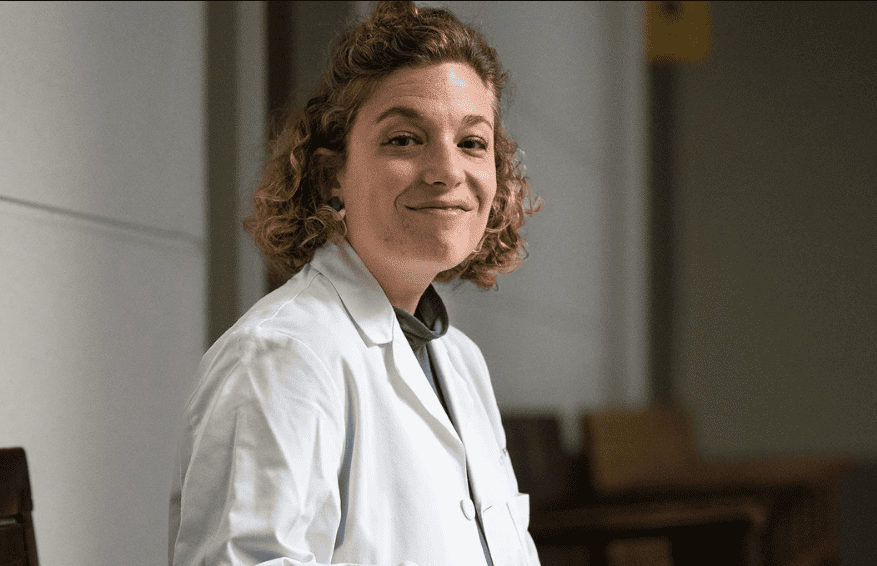
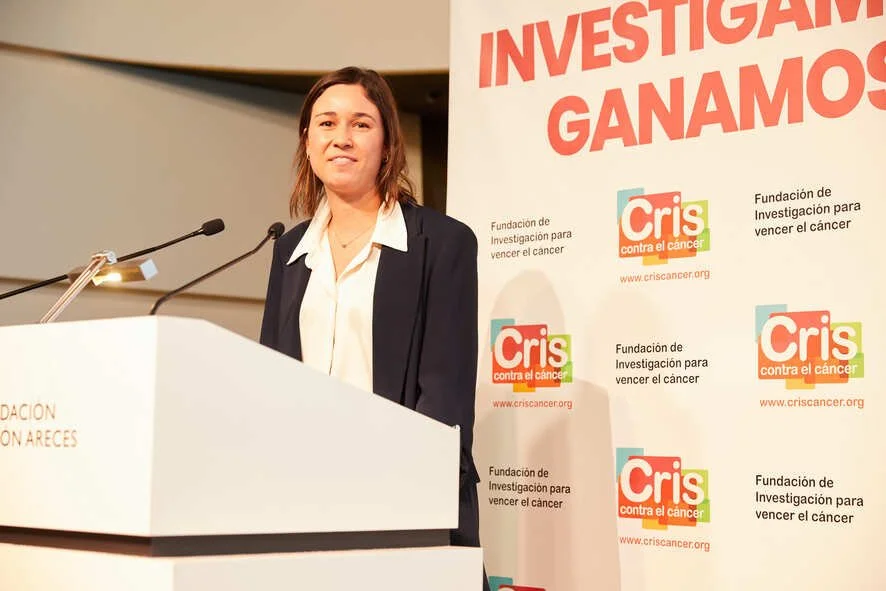
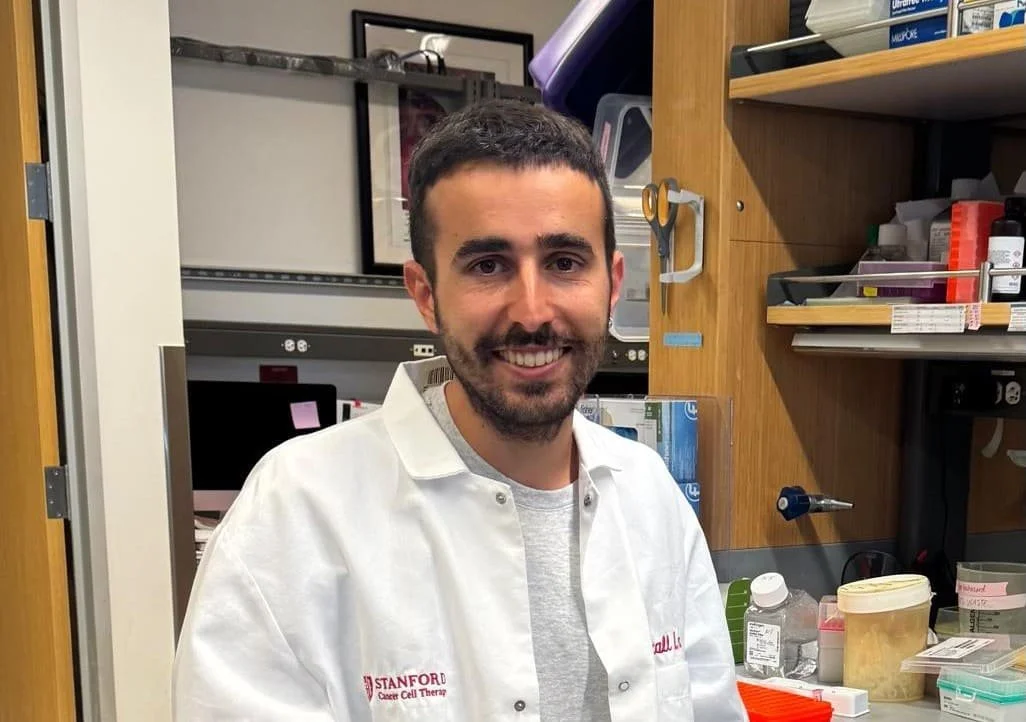
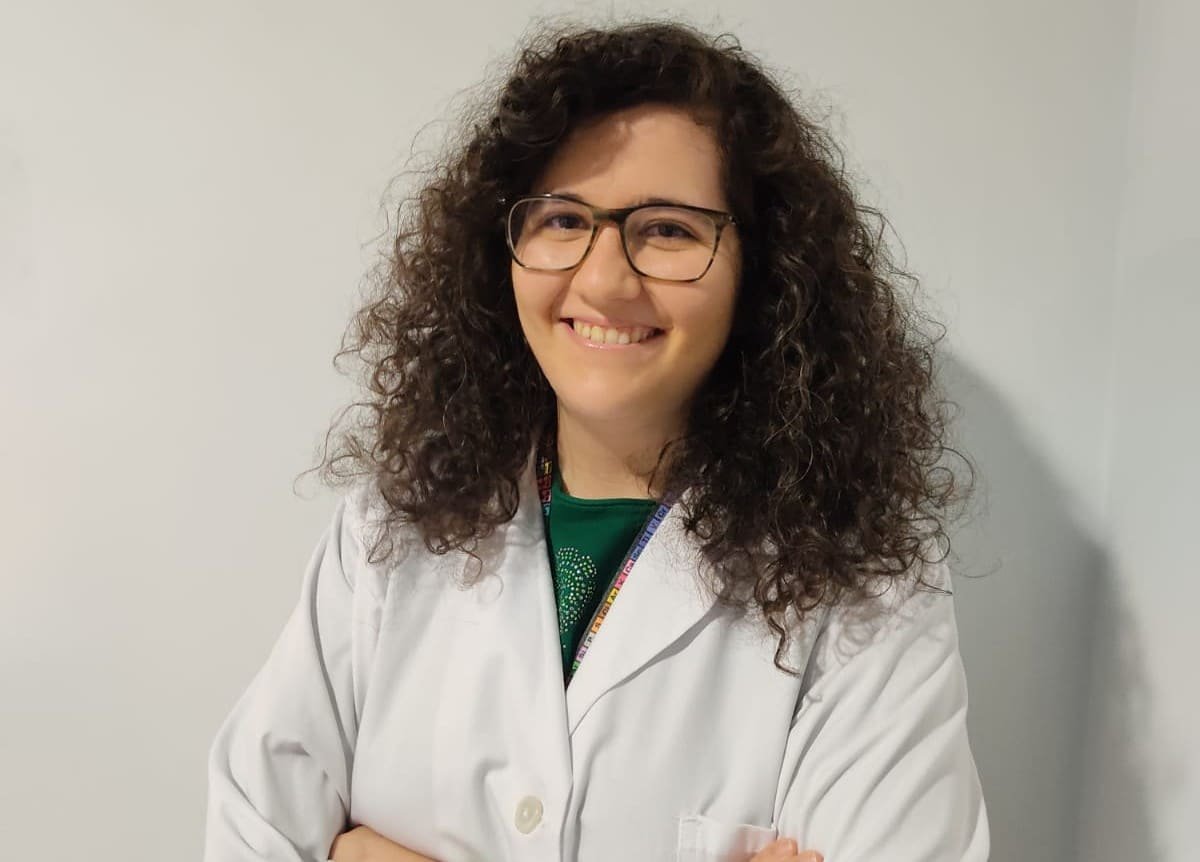
Adult Projects
Paediatric Projects
REMODELING
Principal Researcher: Dr John Bianco
Centre: Princess Máxima Centre for Paediatric Oncology / Prinses Máxima Centrum voor Kinderoncologie, Utrecht
The REMODELING project aims to transform the treatment of paediatric high-grade gliomas, among the most aggressive childhood brain cancers.
Its approach focuses on reactivating the immune system within the tumour by using an innovative technology to temporarily open the blood-brain barrier, allowing therapeutic drugs to reach the brain more effectively. This strategy seeks to reshape the tumour microenvironment and stimulate the body's own immune defences to recognise and attack cancer cells.
By overcoming one of the major obstacles in brain tumour treatment, the project has the potential to pave the way for more effective immunotherapy-based approaches for children with high-grade gliomas.
DIGITWINS
Principal Researcher: Dr Walter Kolch
Centre: University College Dublin, Dublin
The DIGITWINS project brings together international experts in biology, medicine and computer science to develop digital twins of patients with neuroblastoma, one of the most common solid tumours in childhood.
These virtual models accurately replicate the biological characteristics of each patient's tumour, enabling researchers and clinicians to simulate the effects of different treatments before they are used in clinical practice. By predicting how individual tumours are likely to respond, the project aims to support more informed and personalised treatment decisions.
Ultimately, DIGITWINS seeks to usher in a new era of paediatric oncology, in which every child can receive the most effective and least toxic therapy based on the unique biological profile of their disease.
PG-AML
Principal Researcher: Dr Shai Izraeli
Centre: Schneider Children's Medical Center of Israel, Petah Tikva
The PG-AML project aims to transform the monitoring and management of paediatric acute myeloid leukaemia (AML), one of the most challenging childhood cancers to treat.
Its goal is to develop a system capable of detecting treatment-resistant leukaemia cells with unprecedented sensitivity by tracking the unique genetic signatures of each patient's tumour. This approach will enable clinicians to monitor disease more accurately, identify residual cancer cells at the earliest stages, and better understand how individual patients respond to treatment.
By providing a more precise picture of disease progression, PG-AML aims to support truly personalised treatment strategies, reducing unnecessary toxicities while helping to predict and prevent relapse. The findings will also contribute to future international clinical trials, bringing the field closer to delivering precision medicine for children with acute myeloid leukaemia.
Prevention of Neuroblastoma Relapses
Principal Researcher: Dr Rogier Versteeg
Centre: Amsterdam University Medical Centre (UMC) / Amsterdam University Medical Center (UMC), Amsterdam
The Prevention of Neuroblastoma Relapses project aims to prevent relapse in neuroblastoma, one of the most aggressive childhood cancers.
The research team has discovered that relapse is not driven solely by genetic mutations, but also by the remarkable plasticity of tumour cells, which can change their characteristics and become resistant to treatment. This ability allows cancer cells to survive therapy and contribute to disease recurrence.
To address this challenge, the project will evaluate a novel combination therapy designed to eliminate both treatment-sensitive and treatment-resistant tumour cells. By targeting these different cell populations simultaneously, the researchers hope to prevent the cancer from re-emerging after treatment.
If successful, this innovative approach could pave the way for new clinical trials and offer renewed hope for children with high-risk neuroblastoma, improving long-term outcomes and reducing the likelihood of relapse.
Cure2MLL
Principal Researcher: Dr Ronald Stam
Centre: Princess Máxima Centre for Paediatric Oncology / Prinses Máxima Centrum voor Kinderoncologie, Utrecht
The Cure2MLL project, led by Dr Ronald Stam at the Princess Máxima Centre in Utrecht, aims to find a cure for children with MLL-rearranged acute lymphoblastic leukaemia (ALL), a particularly aggressive form of leukaemia that is often resistant to current treatments.
Bringing together experts from leading European centres, the consortium is investigating the biological mechanisms that drive relapse and testing promising new therapies in patient-derived models. This approach is designed to accelerate the translation of research discoveries into clinical trials and, ultimately, new treatment options for patients.
Cure2MLL seeks to transform outcomes for children with this high-risk form of leukaemia by developing safer, more personalised and more effective therapies for one of the most challenging childhood cancers..
HEM-iSMART
Principal Researcher: Dr Michael Zwaan
Centre: Princess Máxima Centre for Paediatric Oncology / Prinses Máxima Centrum voor Kinderoncologie, Utrecht
The HEM-iSMART project, coordinated by Dr Michael Zwaan at the Princess Máxima Centre in Utrecht, is driving an ambitious international clinical trial focused on personalised medicine for children and adolescents with relapsed or treatment-resistant leukaemia and lymphoma.
The project's goal is to tailor treatment according to the genetic profile of each patient's tumour, using targeted therapies designed to block the specific alterations responsible for disease progression and treatment resistance. By matching therapies to the biological characteristics of the cancer, HEM-iSMART aims to improve outcomes for patients with limited treatment options.
Developed across 15 European countries, the initiative places particular emphasis on T-cell leukaemias and lymphomas, where effective therapies remain scarce. Overall, the project represents an important step towards a more precise, collaborative and patient-centred approach to paediatric oncology, bringing personalised medicine closer to routine clinical practice for children with high-risk blood cancers.
ENCOURAGER
Centre: University Children's Hospital Zurich / Universitäts-Kinderspital Zürich, Zurich
Principle Researcher: Ana Guerreiro
The ENCOURAGER project addresses one of the greatest challenges in paediatric cancer treatment: resistance to targeted therapies in childhood brain tumours.
The research team will investigate how certain tumour cells adapt and survive treatment, eventually leading to disease relapse. By analysing patient tumour samples and laboratory models derived from them, the researchers aim to identify these resistant cell populations and test new drug combinations capable of eliminating them.
Through this work, ENCOURAGER seeks to anticipate and prevent treatment resistance from the very beginning of therapy, laying the foundations for more effective and personalised treatment strategies. Ultimately, the project aims to improve both survival and quality of life for children with gliomas.
ATG4TALL
Centre: Princess Máxima Centre for Paediatric Oncology / Prinses Máxima Centrum voor Kinderoncologie, Utrecht
Principle Researcher: Dr Frank van Leeuwen
At the heart of a major European collaboration, the ATG4TALL project, coordinated by Dr Frank van Leeuwen at the Princess Máxima Centre in Utrecht, brings together researchers from 14 countries to tackle one of the most challenging forms of childhood leukaemia: T-cell acute lymphoblastic leukaemia (T-ALL).
Although most children with leukaemia are successfully cured, those affected by this aggressive subtype have limited treatment options if their cancer relapses. ATG4TALL aims to change this by establishing an international research platform that combines biobanks, patient-derived laboratory models, and advanced molecular analyses.
By fostering collaboration across Europe and generating a deeper understanding of the disease, the project seeks to accelerate the development of more effective and personalised treatment strategies. Ultimately, ATG4TALL represents an important step towards a more precise and collaborative approach to paediatric oncology, with the goal of increasing cure rates while reducing the long-term impact of treatment on children and adolescents with T-ALL.
MedulloDrugs
Centre: University of Trento, Trento
Principle Researcher:Dr Luca Tiberi
The MedulloDrugs project, led by Dr Luca Tiberi at the University of Trento, aims to identify new and effective treatments for Group 3 medulloblastoma, the most aggressive form of childhood brain tumour.
To achieve this, the team has developed human brain organoids: sophisticated three-dimensional models created from stem cells that closely replicate the biological behaviour of the tumour. Using this innovative technology, researchers will screen nearly 1,000 already approved medicines, significantly accelerating the potential translation of promising findings into clinical practice.
In addition, the project will investigate combinations of these drugs with existing chemotherapy treatments to enhance effectiveness while reducing toxicity. Overall, MedulloDrugs represents a new approach to childhood cancer research: one that is more realistic, faster, and firmly focused on improving both survival and quality of life for children affected by medulloblastoma.
Skeletal Late Effects
Centre: Karolinska Institutet, Solna
Principle Researcher: Dr Phillip Newton
The Skeletal Late Effects project, led by Dr Phillip Newton at Karolinska Institutet, addresses one of the major challenges faced by survivors of childhood cancer: the long-term effects of radiotherapy on bone development.
Although more than 80% of children with cancer are now cured, many experience lasting skeletal complications years after treatment, including growth impairment, bone deformities and increased bone fragility. This project seeks to understand how radiation affects the developing skeleton and to identify the molecular mechanisms responsible for these long-term consequences.
By uncovering how treatment-related bone damage occurs, the researchers aim to develop strategies to prevent and treat skeletal complications, helping childhood cancer survivors grow, develop and live healthier lives free from the long-term effects of their treatment.
FIGHT4MB
Centre: Champalimaud Foundation / Fundação Champalimaud, Lisbon
Principle Researcher: Dr Adriana Sánchez
Group 4 medulloblastoma is the most common subtype of medulloblastoma, yet it remains poorly understood and there are currently no treatments specifically designed to target it.
One of the major challenges in developing new therapies is the lack of suitable laboratory models that accurately reflect the disease. Without these models, it is difficult to study tumour biology in depth and evaluate potential treatment strategies.
The FIGHT4MB project aims to address this gap by developing advanced laboratory models that closely replicate the characteristics of tumours found in real patients. These models will provide an essential platform for investigating the biology of Group 4 medulloblastoma and testing promising new therapies.
By creating more realistic and reliable research tools, FIGHT4MB seeks to accelerate the development of effective treatments and improve outcomes for children affected by this common but understudied childhood brain tumour.
EUROPE
Centre: Hopp Children's Cancer Center Heidelberg (KiTZ), Heidelberg
Principle Researcher: Dr Kristian Pajtler
Ependymoma is the third most common brain tumour in children and remains a significant clinical challenge due to its high risk of recurrence.
Relapsed ependymoma is one of the greatest unmet needs in paediatric neuro-oncology, as effective treatment options for children whose disease returns are still extremely limited. Improving our understanding of why these tumours recur is essential for developing better therapies and improving outcomes.
Through the EUROPE project, researchers will investigate the unique biological characteristics of relapsed ependymomas to identify new therapeutic vulnerabilities. By studying the mechanisms that drive tumour recurrence, the team aims to develop more effective, targeted treatment strategies for children with relapsed ependymoma, offering new hope for patients facing this difficult disease.
ITCC BrainTAP
Centre: Hopp Children's Cancer Center Heidelberg (KiTZ), Heidelberg
Principle Researcher: Dr David Jones
Although our understanding of the molecular biology of childhood brain tumours has advanced considerably, translating these discoveries into effective new treatments remains a major challenge.
The ITCC BrainTAP project aims to accelerate the journey from laboratory research to clinical benefit by developing a systematic approach to identifying and targeting the biological vulnerabilities of paediatric brain tumours. The project will bring together expertise in molecular profiling, preclinical research and clinical trial development to streamline the process of turning scientific discoveries into new therapeutic opportunities.
By establishing an efficient pathway from the identification of novel tumour targets, through the testing of potential treatments in advanced laboratory models, to the development of clinical trials, ITCC BrainTAP seeks to ensure that children with brain tumours can benefit more rapidly from the latest scientific advances and innovative therapies.
SOUP
Centre: Medical University of Vienna / Medizinische Universität Wien, Vienna
Principle Researcher: Dr David Jones
Liquid biopsy, which analyses tumour material from blood or other bodily fluids, offers a powerful and minimally invasive way to diagnose and monitor childhood brain tumours.
However, the methods used to collect, process and analyse liquid biopsy samples are not yet standardised. This makes it difficult to compare results across different centres and clinical trials, limiting the ability to draw clear conclusions and apply findings consistently in clinical practice.
The SOUP project aims to establish the best possible methodology for performing liquid biopsies in children with brain tumours and to develop a standardised approach that can be adopted internationally. By improving the consistency and reliability of these techniques, the project seeks to enhance the diagnosis, monitoring and management of paediatric brain tumours, ultimately leading to better outcomes for young patients.
GD2-CART01
Centre: Bambino Gesù Children's Hospital / Ospedale Pediatrico Bambino Gesù, Rome
Principle Researcher: Dr Francesca Del Bufalo
Neuroblastoma is one of the most aggressive childhood cancers, with almost half of all cases diagnosed at an advanced stage. Although initial treatments can be effective, relapse remains common and is often extremely difficult to cure.
Children whose high-risk neuroblastoma returns after treatment have very limited therapeutic options, and, at present, most relapsed cases remain incurable.
This international clinical trial will evaluate GD2-CART01, an innovative CAR T-cell therapy created from the patient's own immune cells. These cells are genetically engineered to recognise and destroy neuroblastoma cells by targeting GD2, a molecule found on the surface of the tumour.
The treatment has already shown highly promising results in an earlier clinical study, achieving complete responses in children who had exhausted all other treatment options. The aim of this trial is to confirm its effectiveness in a larger group of patients, support progress towards European regulatory approval, and provide genuine hope for children facing relapsed high-risk neuroblastoma.
EurATRT
Centre: University Hospital Münster / Universitätsklinikum Münster, Münster
Principle Researcher: Dr Kornelius Kerl
Atypical teratoid/rhabdoid tumours (ATRTs) are highly aggressive brain tumours that primarily affect infants and very young children. Although only around 100 cases are diagnosed each year across Europe, more than half of affected children do not survive the disease.
While intensive treatment approaches are available, many patients experience relapse or severe treatment-related side effects. Researchers still do not fully understand why some children respond better to treatment than others, and there are currently no reliable tools to predict treatment outcomes or detect relapse at an early stage.
Building on the first major European ATRT clinical trial, which has enrolled 300 patients, the EurATRT project will enable large-scale molecular studies of these tumours. The researchers aim to identify biological factors that can predict treatment response, develop methods for the early detection of relapse, and evaluate promising new therapies in patient-derived laboratory models.
Ultimately, EurATRT seeks to bring the benefits of precision medicine to one of the most challenging childhood brain tumours, paving the way for more personalised and effective treatments for children with ATRT.