
FRANCE
In France, CRIS Cancer supports pioneering research designed to translate scientific advances into tangible benefits for patients. Its work includes funding innovative clinical studies, improving and personalising existing treatments, reducing side effects and supporting emerging clinician-scientists who combine cancer research with patient care.
CRIS Cancer’s principal partner in the country is the Gustave Roussy Foundation in Paris, linked to one of Europe’s leading cancer centres. Together, they develop initiatives such as the GRF–CRIS Real-Life Trials in Cancer Programme, which supports pragmatic trials capable of rapidly improving everyday clinical practice, and the GRF–CRIS Clinical Scientist Emerging Leader Programme, which helps promising clinician-scientists develop innovative research with a direct impact on patients.
Adult Projects
SEVENAZA Clinical Trial
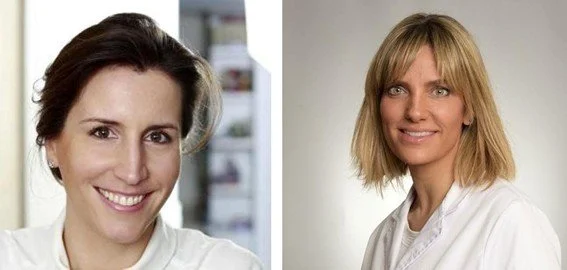
Principal Researcher: Dr Christophe Willekens and Dr Pau Montesinos
Centre: Gustave Roussy Institute, Paris / Hospital Universitario La Fe, Valencia
Acute myeloid leukaemia (AML) treatments can be highly effective, but they often cause significant side effects, particularly for older patients and those with additional health conditions. Finding ways to maintain treatment effectiveness while reducing toxicity is a key challenge in improving patient care.
The SEVENAZA clinical trial is investigating whether shorter treatment schedules can provide the same clinical benefit as current approaches while being easier for patients to tolerate. The study focuses on vulnerable patients who may struggle with the side effects associated with prolonged treatment.
By evaluating the balance between treatment efficacy and quality of life, the researchers hope to develop a safer, more patient-friendly treatment strategy. If successful, this approach could help reduce treatment-related complications without compromising outcomes for people living with acute myeloid leukaemia.
OPT-PEMBRO Clinical Trial
Principal Researcher: Dr Joana Mourato Ribeiro and Dr Mafalda Oliveira
Centre: Gustave Roussy Institute, Paris / Vall d'Hebron Institute of Oncology (VHIO), Barcelona
Triple-negative breast cancer is an aggressive form of breast cancer that often requires intensive treatment, including chemotherapy and immunotherapy. While these approaches have significantly improved outcomes, many patients continue treatment even after achieving an excellent response, exposing them to potential side effects that may no longer be necessary.
The OPT-PEMBRO clinical trial is investigating whether immunotherapy can be safely discontinued after surgery in patients who achieve a complete response to their initial treatment. The study aims to determine whether reducing treatment intensity can maintain the same excellent outcomes while minimising the physical and emotional burden associated with ongoing therapy.
If successful, this approach could help reduce treatment-related side effects, improve quality of life for patients, and support more personalised treatment decisions. The findings may also help healthcare systems use resources more effectively while ensuring that patients continue to receive the care they need.
ETNA-Cohort2 Clinical Trial
Principal Researcher: Dr Barbara Pistilli and Dr Mafalda Oliveir
Centre: Gustave Roussy Institute, Paris / Vall d'Hebron Institute of Oncology (VHIO), Barcelona
Triple-negative breast cancer is one of the most aggressive forms of breast cancer. Following surgery, many patients receive chemotherapy to reduce the risk of the disease returning. While this approach can be highly effective, it can also cause significant side effects and have a lasting impact on quality of life.
Dr Barbara Pistilli and Dr Mafalda Oliveira are leading a clinical trial to determine whether some patients with triple-negative breast cancer may be able to safely avoid chemotherapy after surgery. Their research focuses on patients with localised disease whose tumours contain high levels of tumour-infiltrating lymphocytes (TILs), immune cells that are associated with a stronger natural anti-cancer response and, in some cases, a particularly favourable prognosis.
The study aims to identify patients who could maintain excellent outcomes without additional treatment. If successful, this approach could reduce unnecessary chemotherapy, minimisetreatment-related side effects and improve quality of life, while continuing to achieve high cure rates through a more personalised treatment strategy.
CRIS Cancer Project on Preventing Immunotherapy Side Effects
Principal Researcher: Dr François Xavier Danlos
Centre: Institut Gustave Roussy, Paris, France
This project investigates why some patients develop side effects during immunotherapy and seeks to identify biomarkers capable of predicting toxicity before treatment begins.
Immunotherapy can produce remarkable responses, but it may also trigger immune-related adverse events that affect healthy organs and tissues.
Dr François Xavier Danlos and his team are studying biological markers associated with treatment toxicity to better understand why some patients experience severe side effects while others tolerate therapy well.
The project aims to improve patient safety and support more personalised immunotherapy by identifying individuals at increased risk before treatment starts.
CRIS Cancer CARE-1 Clinical Trial
Principal Researcher: Dr Laurence Albiges and Dr Cristina Suárez
Centre: Gustave Roussy Institute, Paris / Vall d'Hebron Institute of Oncology (VHIO), Barcelona
Immunotherapy has significantly improved treatment options for patients with kidney cancer, particularly those with intermediate- and high-risk disease. Today, several treatment approaches are available, including combinations of different immunotherapies and treatments that combine immunotherapy with targeted therapies. However, it remains unclear which approach is most suitable for each patient.
Dr Laurence Albiges and Dr Cristina Suárez are leading the CARE-1 clinical trial, an international study designed to better understand how patients with kidney cancer respond to different immunotherapy-based treatment combinations.
By analysing tumour characteristics and patient-specific factors, the researchers aim to identify which treatments are most likely to be effective for different groups of patients. This could help clinicians make more informed treatment decisions and avoid unnecessary treatments that may offer limited benefit.
The study represents an important step towards more personalised kidney cancer care, ensuring that patients receive the treatment strategy best suited to their individual disease and increasing the chances of achieving the best possible outcomes.
CRIS Cancer PULSE Clinical Trial
Principal Researcher: Dr Benjamin Besse and Dr Luis Paz-Ares
Centre: Gustave Roussy Institute, Paris / Hospital Universitario 12 de Octubre, Madrid
Lung cancer remains one of the leading causes of cancer-related deaths worldwide. In recent years, immunotherapy has transformed treatment for many patients, particularly when combined with chemotherapy. However, these treatments often require frequent hospital visits over long periods, which can affect quality of life and place an additional burden on patients and healthcare systems.
The PULSE clinical trial is investigating whether immunotherapy can be administered less frequently while maintaining the same level of effectiveness. By carefully evaluating different dosing schedules, the researchers aim to determine the optimal balance between treatment efficacy and patient convenience.
Reducing the number of treatment visits could help minimise the burden associated with long-term therapy and improve patients' daily lives without compromising cancer control. The study will generate valuable evidence to guide future treatment protocols and support a more patient-centred approach to lung cancer care.
CRIS Cancer Immunotherapy in Melanoma Project
Principal Researcher: Dr Rebeca González
Centre: Centre Méditerranéen de Médecine Moléculaire, Nice / Institute of Neurosciences CSIC-UMH, Alicante
Melanoma is an aggressive form of skin cancer that can spread rapidly to other organs. While targeted therapies and immunotherapies have significantly improved outcomes for many patients, some tumours eventually become resistant to treatment, limiting the effectiveness of these approaches.
Dr Rebeca González and her team are investigating the biological mechanisms that allow melanoma cells to survive treatment and evade the immune system. The project focuses on understanding how cancer cells adapt over time, developing strategies that enable them to escape therapies that were initially effective.
By identifying the molecular and cellular changes associated with treatment resistance, the researchers hope to uncover new opportunities for therapeutic intervention. The team is also exploring pharmacological strategies that could restore tumour sensitivity to treatment and strengthen anti-cancer immune responses.
A better understanding of how melanoma develops resistance could help guide the design of future therapies and provide new options for patients with advanced disease whose cancers no longer respond to current treatments.
CRIS Cancer Liquid Biopsy in Ovarian Cancer Project
Principal Researcher: Dr Alexandra Leary
Centre: Gustave Roussy Institute, Paris
This project aims to improve treatment selection for advanced ovarian cancer by using liquid biopsy techniques to analyse tumour DNA in peritoneal fluid. The research seeks to identifypatients who may benefit from personalised therapies, even when tumour tissue samples are limited.
Dr Alexandra Leary is leading an innovative project to improve the treatment of advanced ovarian cancer, a disease that is often diagnosed at a late stage and remains difficult to treat. The research focuses on analysing tumour DNA found in peritoneal fluid, which is routinely collected during diagnostic procedures.
By studying genetic alterations present in this fluid, the team hopes to identify clinically important molecular changes that can guide personalised treatment decisions. This approach could provide valuable information even when traditional tumour biopsies are insufficient, helping more women access therapies that are tailored to the genetic characteristics of their cancer.
CRIS Cancer LOWTOX Clinical Trial
Principal Researcher: Dr Eric Baudin and Dr Rocío García Carbonero
Centre: Institut Gustave Roussy, Paris, France / Hospital Universitario 12 de Octubre, Madrid, Spain
Neuroendocrine tumours are a diverse group of cancers that can often be controlled successfully with current treatments. However, the side effects associated with these therapies can significantly affect patients' quality of life, particularly when treatment is required over long periods.
The LOWTOX clinical trial is investigating whether lower-intensity treatment strategies can provide the same level of disease control while reducing treatment-related toxicity. By carefully evaluating different treatment approaches, the researchers aim to determine whether patients can achieve the same clinical benefit with fewer side effects.
The goal of the study is to improve the balance between treatment effectiveness and quality of life, ensuring that patients receive the most appropriate level of care while minimising unnecessary treatment burden. If successful, the trial could help establish safer, more tolerable treatment strategies for people living with neuroendocrine tumours.
SACHA International
Principal Researcher: Dr Pablo Berlanga
Centre: Institut Gustave Roussy, Paris, France
SACHA International is a clinical study designed to establish a comprehensive registry of all advanced therapies provided to children and adolescents through compassionate use programmes. This initiative is essential for improving understanding of the development and impact of new paediatric cancer treatments across Europe.
The registry is expected to include 1,455 patients, creating a valuable resource for monitoring outcomes, evaluating emerging therapies, and supporting the advancement of personalised treatment approaches for young people with cancer.

CRIS Diffuse Intrinsic Pontine Glioma (DIPG) Project
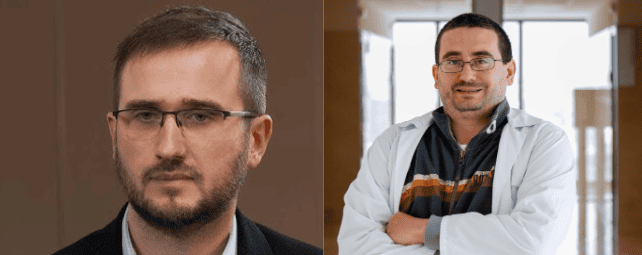
Principal Researcher: Dr Jacques Grill and Dr David Castel
Centre: Institut Gustave Roussy, Paris, France
This project, based at the Gustave Roussy Institute in Paris, investigates the genetic alterations that make Diffuse Intrinsic Pontine Glioma (DIPG) such an invasive and metastatic childhood cancer.
Its aim is to identify key genes that can help predict which patients are at greatest risk of developing metastases and to test drugs capable of blocking these processes in highly advanced laboratory models. The research is founded on the premise that, by identifying the tumour genes responsible for driving metastasis, it may be possible to pinpoint children at highest risk and provide preventive treatment at an earlier stage.
This approach could lead to more effective and targeted therapies to slow or prevent the spread of these highly aggressive tumours.
INTER-B-NHL 2025
Principal Researcher:Dr Véronique Minard-Colin
Centre: Institut Gustave Roussy, Paris, France
B-cell non-Hodgkin lymphoma in children and adolescents has a very high cure rate with conventional chemotherapy. However, this success often comes at the cost of severe side effects and prolonged hospital stays.
More than 70% of young patients experience serious treatment-related toxicities, including mucositis and infections, which can significantly affect their quality of life during treatment. While the vast majority of children and adolescents with this disease are cured, there is a pressing need to find ways to achieve these cures with fewer adverse effects.
This innovative international study aims to reduce treatment intensity without compromising effectiveness by replacing part of the most toxic chemotherapy with immunotherapy using a drug called rituximab. In addition, for the first time, treatment intensity will be tailored according to the characteristics of each patient, particularly the presence or absence of specific genetic alterations.
The ultimate goal is to change clinical practice and demonstrate that it is possible not only to cure more children and young people with B-cell non-Hodgkin lymphoma, but to cure them better, with fewer treatment-related complications and an improved quality of life.
MiMiC-Kids
Principal Researcher: Dr Florent Ginhoux
Centre: Institut Gustave Roussy, Paris, France
Medulloblastoma is the most common brain tumour in children. Although it is often treated with radiotherapy, not all children respond to treatment, and significant long-term side effects can result.
The MiMiC-Kids project aims to develop improved radiotherapy strategies for children with medulloblastoma. Using innovative high-throughput research methods, the team will identify previously unknown vulnerabilities within these tumours and explore new drug combinations to be used alongside radiotherapy.
The goal is to develop more effective treatment approaches that improve outcomes for children with medulloblastoma while laying the foundation for more targeted and personalised therapies in the future.
ACHILLES
Principal Researcher: Dr Claudia Pasqualini
Centre: Institut Gustave Roussy, Paris, France
High-risk neuroblastoma remains one of the most challenging paediatric cancers to cure, and when patients do not respond well to initial treatment, their chances of survival are significantly reduced.
Many children either relapse or fail to respond from the outset. In particular, patients with alterations in a gene known as ALK tend to have poorer outcomes and more treatment-resistant disease, highlighting the urgent need for new therapeutic options from the very beginning of treatment.
ACHILLES is being integrated into a major European clinical trial, HR-NBL2, to evaluate two novel treatment strategies. One approach combines chemotherapy with immunotherapy for patients who show a poor initial response, while the other is the first to test, in a frontline setting, a targeted therapy designed specifically to attack tumours carrying ALK alterations.
By introducing a more personalised approach to treatment, this project has the potential to significantly improve cure rates and outcomes for children with the most aggressive forms of neuroblastoma.
ELICIT
Principal Researcher: Dr Jacques Grill
Centre: Institut Gustave Roussy, Paris, France
Malignant gliomas continue to have a poor prognosis, and treatment options remain extremely limited.
Although immunotherapy has the potential to transform outcomes for these patients, much is still unknown about the immune environment of paediatric brain tumours. In addition, developing and coordinating high-quality international clinical trials in this field remains a significant challenge.
To address these barriers, ELICIT brings together several of the world's leading experts in the research and treatment of paediatric brain tumours to establish a platform for the development of large-scale international immunotherapy trials. By fostering collaboration and accelerating the evaluation of promising new approaches, the project aims to advance the development of more effective treatments and bring innovative therapies to children with brain tumours more quickly.
PATOI
Principal Researcher: Dr Samuel Abbou
Centre: Institut Gustave Roussy, Paris, France
The PATOI project, led by Dr Samuel Abbou at the Gustave Roussy Institute in Paris, aims to offer new hope to children and adolescents with highly aggressive brain tumours for which there are currently no curative treatment options.
The research team will evaluate an innovative combination of two drugs: niraparib, which prevents tumour cells from repairing their DNA, and irinotecan, which damages DNA. Together, these therapies are expected to produce a more powerful anti-tumour effect than either treatment alone.
The study will involve 58 patients across seven European countries and will make use of liquid biopsies (simple blood tests) to monitor treatment response, reducing the need for invasive surgical procedures.
If successful, this approach could provide a promising new treatment option for some of the most difficult-to-treat childhood brain tumours.
EurHOLY
Principal Researcher: Dr Mathieu Simonin
Centre: Armand Trousseau Hospital / Hôpital Armand-Trousseau, Paris
The EurHOLY project, led by Dr Mathieu Simonin at Armand Trousseau Hospital in Paris, aims to improve the treatment of paediatric Hodgkin lymphoma, the most common cancer affecting adolescents.
Although more than 90% of patients are cured, around 10–15% experience relapse or treatment-resistant disease, and current therapies can lead to significant long-term side effects. EurHOLY seeks to replace traditional imaging techniques with liquid biopsy, using circulating tumour DNA in the blood to predict risk, monitor treatment response, and detect relapse at an early stage.
The ultimate goals of the project are to personalise treatment strategies, reduce treatment-related toxicities, and improve the quality of life of survivors.
BioESMART – IGF-1R/HER3
Principal Researcher: Dr Jordane Chaix
Centre: Bordeaux University Hospital (CHU) / Centre Hospitalier Universitaire (CHU) de Bordeaux
The BioESMART project aims to revive a promising therapeutic strategy for Ewing sarcoma and other difficult-to-treat paediatric cancers.
Its primary objective is to evaluate istiratumab, a bispecific antibody that simultaneously blocks two key proteins involved in tumour growth and survival. In addition to assessing the clinical potential of this targeted therapy, the research team will carry out an extensive molecular study to identify biomarkers that can help predict which patients are most likely to benefit from treatment.
Through this precision medicine approach, BioESMART seeks to improve the effectiveness of targeted therapies while reducing unnecessary side effects, offering new hope for children with cancers that currently have a poor prognosis.
EpiTarget-kids
Principal Researcher: Dr Rita Khoueiry
Centre: International Agency for Research on Cancer (IARC) / Centre International de Recherche sur le Cancer (CIRC-IARC), Lyon
The EpiTarget-Kids project aims to identify new therapeutic strategies for Diffuse Intrinsic Pontine Glioma (DIPG), one of the most aggressive childhood brain tumours.
Using advanced 3D tumour models and investigating the regulatory mechanisms that control how genes are switched on and off in these cancers, the research team seeks to uncover the biological processes that drive the aggressiveness of DIPG and identify previously unrecognised therapeutic vulnerabilities.
By improving understanding of the disease at a molecular level, EpiTarget-Kids aims to pave the way for more personalised and effective treatments for children with DIPG, a devastating cancer for which therapeutic options remain extremely limited.
RADIO-MEDSCREEN
Principal Researcher: Dr Eddie Pasquier
Centre: Cancer Research Center of Marseille (CRCM) / Centre de Recherche en Cancérologie de Marseille (CRCM), Marseille
Diffuse midline glioma (DMG) is one of the childhood brain tumours with the poorest prognosis, and effective treatment options remain extremely limited.
These tumours often contain unusually high numbers of microglia and macrophages, cells that normally help maintain the structure and healthy functioning of tissues. Therapies targeting these cells may offer a promising new strategy for treating DMG.
The RADIO-MEDSCREEN project uses advanced three-dimensional laboratory models created from tumour cells obtained from patients. These patient-derived “avatars” will be used to test novel therapies and treatment combinations, helping researchers identify the most effective approaches against this devastating disease.
By developing more realistic models of DMG and accelerating the evaluation of new treatments, the project aims to improve current therapeutic options and bring new hope to children affected by this aggressive brain tumour.
REVIIH-BT
Principal Researcher: Dr Michael Reber
Centre: French National Institute of Health and Medical Research (Inserm) / Institut national de la santé et de la recherche médicale (Inserm), France
Brain tumours and their treatments often cause visual impairments that can have a major impact on the quality of life of children and young people.
Despite ongoing efforts, there have been few advances in the rehabilitation of these vision problems. The REVIIH-BT project is an international clinical study that aims to address this unmet need by using a combination of visual stimulation techniques and virtual reality to improve the visual field of children and adolescents affected by brain tumours.
By enhancing visual function, the project seeks to improve patients' independence, daily activities and overall quality of life, offering new opportunities for rehabilitation and long-term recovery.
Paediatric Projects