
CRIS Cancer – Oxford Fellowship: Acute Myeloid Leukemia (AML)
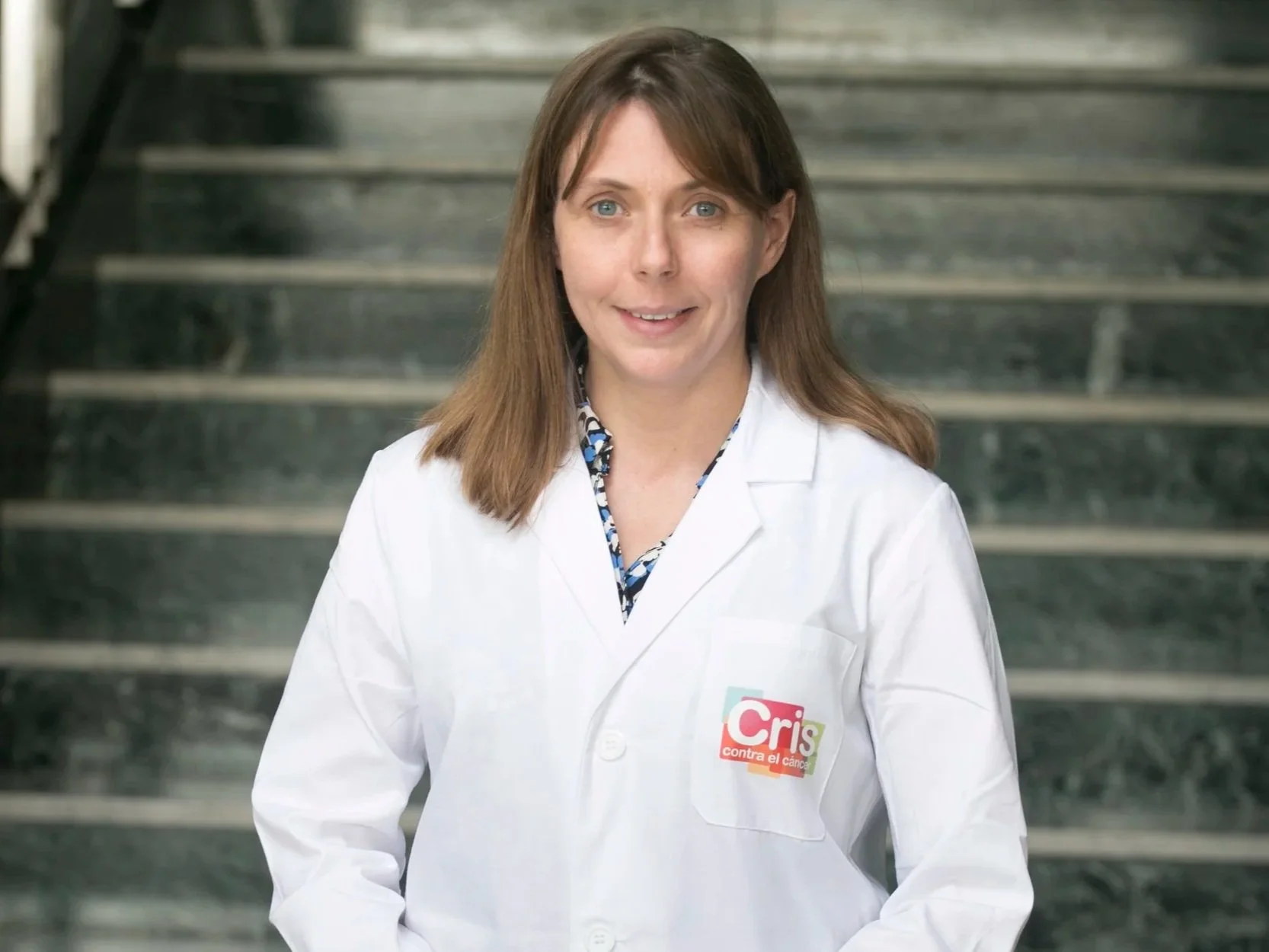
Principal Researcher: Rebecca Ling
Centre: University of Oxford, Oxford
Introduction
Acute myeloid leukemia in children is a rare but highly aggressive disease, and treatment options remain limited. Unlike other types of childhood leukemia, therapeutic advances have been slower, and many patients require very intensive treatments that can leave significant long-term side effects.
In some cases, leukemia begins even before birth, during fetal development. This means that the cells that give rise to the disease are not the same as those found in an older child or an adult, and that the moment at which the genetic alteration associated with this disease appears may be key to understanding why these tumors are so difficult to treat.
Understanding when and how leukemia begins is essential for finding new ways to target it more effectively and safely.
The project
Paediatric acute myeloid leukaemia is a rare and highly aggressive disease, particularly in infants, with limited treatment options. This project, led by Dr Ling, investigates whether the developmental stage at which the genetic alteration arises (even before birth) has an impact on disease aggressiveness, focusing on leukaemias associated with the KMT2A gene.
Using advanced human cell–based models, the study aims to identify new vulnerabilities in leukaemia cells and to evaluate an innovative immunotherapy that is more precise and safer, with the ultimate goal of improving prognosis and reducing long-term side effects in affected children.