
CRIS Cancer – Oxford Fellowship: Improving Childhood Cancer Diagnosis
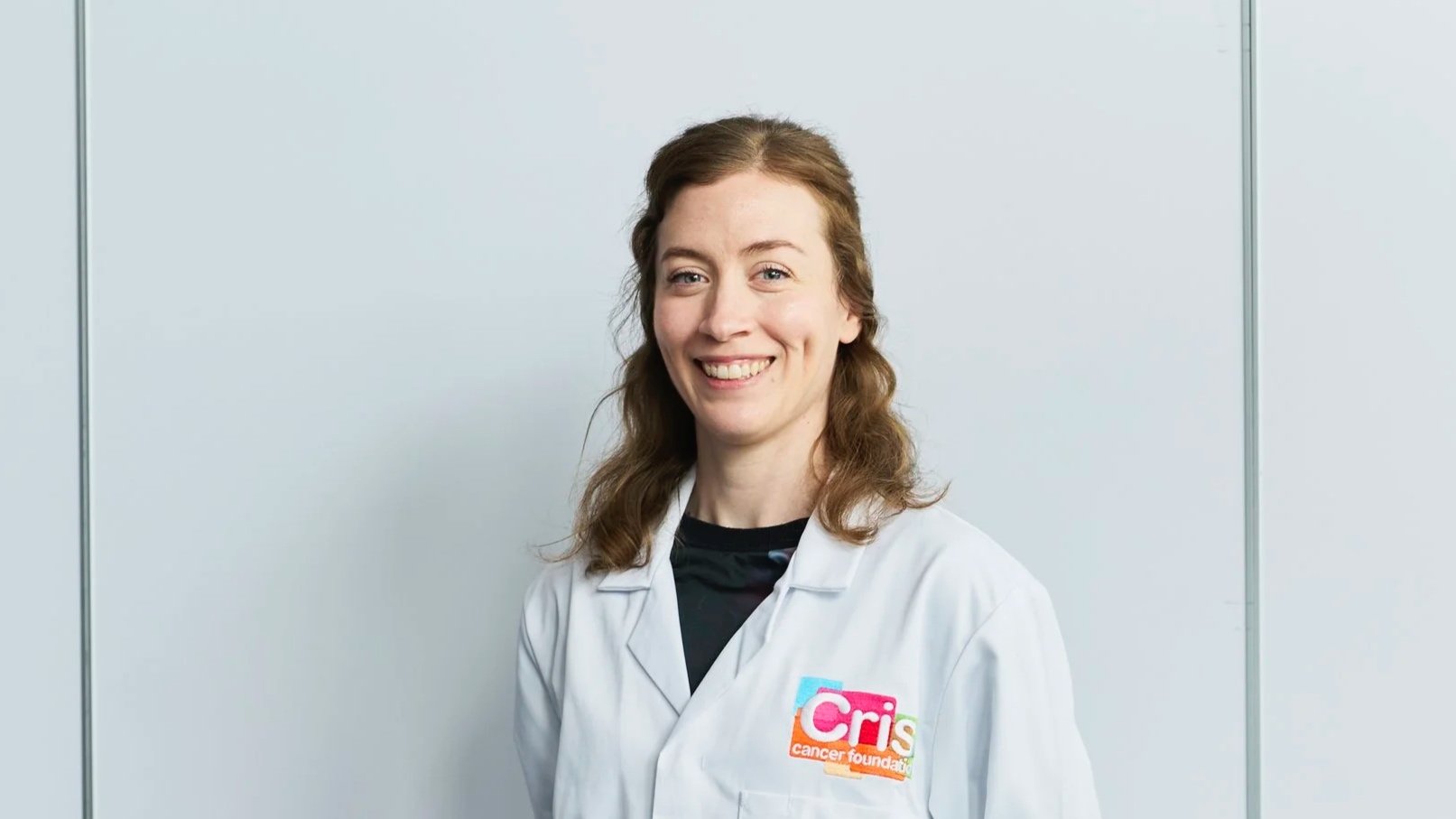
Principal Researcher: Casmir Turnquist
Center: University of Oxford, Oxford.
Introduction
Cancers affecting children, adolescents, and young adults are not the same as those seen in adults. Although they are less common, they are often more difficult to diagnose, have fewer treatment options, and, in many cases, are considered rare cancers. This makes clinical decision-making more complex and prevents many patients from benefiting from targeted therapies.
One of the reasons is that these tumors are driven by very specific alterations in DNA, which act like faulty switches within cells and cause cancer to grow uncontrollably. Detecting these alterations quickly and accurately is key to choosing the right treatment, but today not all hospitals have the necessary tools, and results can take too long.
Improving diagnosis not only helps treat cancer more effectively: it also avoids unnecessary treatments, reduces toxicity, and allows doctors to act earlier, when therapeutic options are greater.
The project
Cancers affecting children, adolescents and young adults are often rare, difficult to diagnose, and associated with fewer therapeutic options, largely because they are driven by highly specific genetic alterations that are not always detected in time. This project, led by Dr Casmir Turnquist, aims to transform the diagnosis of these tumours through the development of rapid and accurate tools capable of identifying key alterations directly in tumour samples.
By combining advanced genetic analyses, single-cell–level investigation and integration within clinical workflows, the research seeks to accelerate access to personalised treatments, reduce unnecessary toxicity, and improve survival and quality of life for children and young people with cancer.